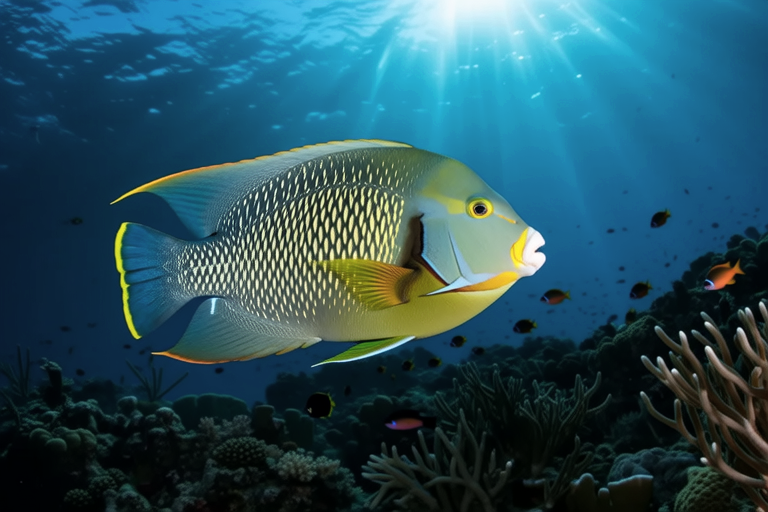
How Parrot Fish Paint the Ocean with Their Stunning Colors
In the vast and diverse world of marine life, few creatures capture the imagination quite like the parrot fish. These vibrant, colorful fish are not only a visual delight but also play a crucial role in maintaining the health of coral reefs. With their striking hues and intricate patterns, parrot fish add a splash of color to the underwater landscape, making them one of the most fascinating species in the ocean. This article delves into the world of parrot fish, exploring their unique role in marine ecosystems, their mesmerizing colors, and the impact they have on the ocean’s appearance.
The Unique Role of Parrot Fish in Marine Ecosystems
Parrot fish are integral to the marine ecosystem, particularly in tropical and subtropical waters. They are known for their ability to consume large amounts of algae that grow on coral reefs. By grazing on this algae, they help maintain the balance between coral growth and algal overgrowth. This process is essential for the survival of coral reefs, which are home to thousands of marine species.
Moreover, parrot fish play a significant role in the production of sand. As they feed, they grind up the coral and other materials with their powerful beaks, excreting it as fine sand. This contributes to the formation of beaches and islands, demonstrating the far-reaching influence of these fish on coastal environments.
Vibrant Colors and Patterns: A Visual Feast
One of the most striking features of parrot fish is their vibrant colors and intricate patterns. Ranging from electric blues and greens to fiery reds and oranges, each species boasts a unique palette that sets it apart. The combination of these colors creates a visually stunning effect, turning the ocean floor into a living canvas.
These colors serve multiple purposes. Firstly, they act as a form of camouflage, helping the fish blend into their surroundings. The mottled patterns on their scales break up their outline, making it harder for predators to spot them. Secondly, the bright colors play a crucial role in communication, signaling to potential mates or rivals. Lastly, these colors can also serve as a warning to predators, indicating that the fish might be toxic or difficult to digest.
Biological Reasons Behind Their Coloring
The biological reasons behind the coloring of parrot fish are rooted in evolution and adaptation. Camouflage is a vital strategy for survival in the ocean, where predators lurk at every turn. The mottled patterns and earthy tones of many parrot fish allow them to blend seamlessly with the coral and rock formations they inhabit. This helps them avoid becoming a meal for larger fish or marine mammals.
Communication is another key aspect of their coloring. During mating season, male parrot fish often display more vivid colors to attract females. This phenomenon, known as sexual dichromatism, highlights the importance of visual signals in reproduction. Additionally, color changes can indicate the health and readiness of individuals, ensuring that only the fittest members of the population reproduce.
Protection is also a factor in their coloring. Some species have evolved to develop bright, iridescent hues that serve as a warning to predators. While the exact composition of these toxins varies among species, the message is clear: stay away. This evolutionary adaptation has helped parrot fish survive in environments teeming with potential threats.
Behavior and Movement Through Coral Reefs
Parrot fish are active swimmers, moving gracefully through coral reefs in search of food. Their feeding habits involve scraping algae from the surface of rocks and coral with their strong, beak-like mouths. As they graze, they create small trails and paths, effectively ‘painting’ the ocean floor with their movements.
What makes this process even more fascinating is the sand they produce. After consuming the algae, parrot fish grind down the coral and other materials with their teeth. This material is then excreted as fine sand, contributing to the formation of beaches and islands. Over time, the collective efforts of millions of parrot fish can significantly alter the landscape of the ocean floor.
These fish are social animals, often found in schools. They communicate through a variety of sounds and body movements, further enhancing their ability to navigate and find food efficiently. Their interactions with each other and their environment highlight the complex relationships within marine ecosystems.
The Importance of Preserving Parrot Fish
The preservation of parrot fish is crucial for the health and beauty of our oceans. Coral reefs, which are among the most biodiverse ecosystems on Earth, rely heavily on these fish for their survival. Without parrot fish, algae would overrun the reefs, choking off the light and nutrients necessary for coral growth. This could lead to the collapse of entire reef systems, with devastating consequences for marine biodiversity.
Additionally, the role of parrot fish in producing sand underscores their importance in coastal ecosystems. The beaches and islands formed by their excretions provide habitats for numerous terrestrial species and contribute to the overall health of coastal environments.
Conservation efforts aimed at protecting parrot fish must focus on sustainable fishing practices, marine protected areas, and education about the importance of these fish. By working together to preserve parrot fish populations, we can ensure that future generations will continue to marvel at the beauty and diversity of our oceans.
In conclusion, parrot fish are more than just beautiful creatures; they are vital components of marine ecosystems. Their vibrant colors and patterns not only enhance the underwater landscape but also play critical roles in communication, camouflage, and protection. By understanding and appreciating the unique contributions of parrot fish, we can better appreciate the delicate balance of life in the ocean and work towards preserving it for generations to come.
