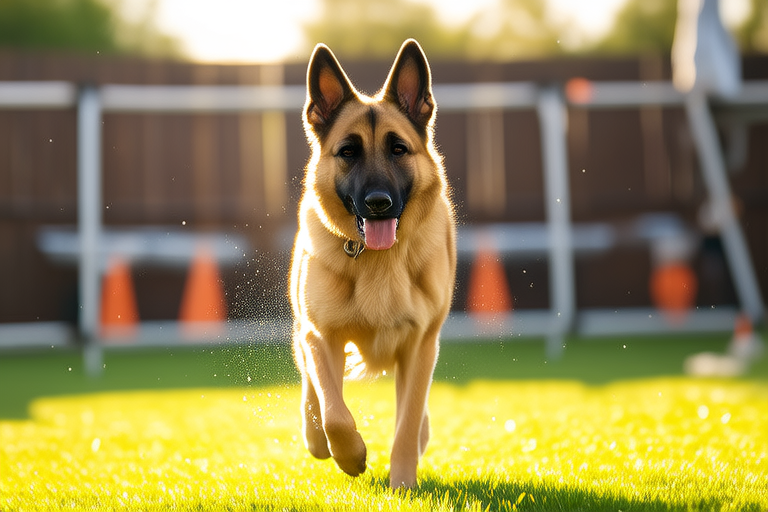
German Shepherd Training Secrets Every Owner Should Know
Welcome to a comprehensive guide on training your German Shepherd. This article will delve into the essential training tips, common behavioral issues, and effective strategies for socializing and bonding with your German Shepherd. We’ll emphasize positive reinforcement techniques, discuss the importance of consistency in training, and provide insights into understanding and meeting the breed’s physical and mental exercise needs.
Understanding Your German Shepherd
Before diving into the specifics of training, it’s crucial to understand the German Shepherd’s nature. Known for their loyalty, intelligence, and protective instincts, these dogs are often used in police work and as service animals. However, their high energy levels and strong desire to please their owners make them excellent companions for active families. Understanding your dog’s unique traits is key to successful training.
The Importance of Early Socialization
Early socialization plays a critical role in shaping your German Shepherd’s behavior. Exposing your puppy to various environments, people, and other animals from an early age helps prevent fear-based aggression and ensures they grow up to be well-adjusted adults. Start by taking your puppy on walks in different areas, introduce them to new people, and gradually expose them to other dogs. Always ensure these experiences are positive and rewarding.
Essential Training Tips
Positive Reinforcement Techniques
Positive reinforcement is one of the most effective methods for training your German Shepherd. This technique involves rewarding good behavior with treats, praise, or playtime. By doing so, you encourage your dog to repeat the desired behavior. It’s important to reward your dog immediately after they perform the desired action to strengthen the association between the behavior and the reward.
Consistency is Key
Consistency is vital when training your German Shepherd. Use the same commands and cues every time to avoid confusing your dog. If you change your approach, it may lead to inconsistent behavior. Establish a routine and stick to it. Consistency not only helps in teaching new behaviors but also reinforces the ones already learned.
Common Behavioral Issues and Solutions
Barking
Barking is a natural behavior for dogs, but excessive barking can become a problem. German Shepherds are known for their alertness, which can sometimes translate into excessive barking. To address this issue, identify the triggers that cause your dog to bark excessively and work on desensitizing them to those stimuli. Teaching your dog alternative behaviors, such as ‘sit’ or ‘stay,’ can also help redirect their attention away from barking.
Chewing
Chewing is another common issue among young German Shepherds. Provide your dog with appropriate chew toys to satisfy their natural chewing instinct. Supervise your dog during playtime to ensure they’re not chewing on inappropriate items. If you catch your dog chewing on something they shouldn’t, redirect their attention to a suitable toy and praise them for making the right choice.
Physical and Mental Exercise Needs
German Shepherds are an energetic breed that requires substantial physical activity. Regular exercise not only keeps your dog physically fit but also helps manage their mental health. Aim for at least two hours of physical activity per day, including walks, runs, and interactive play. Mental stimulation is equally important; consider puzzle toys or obedience training to keep your dog mentally engaged.
Effective Strategies for Socializing and Bonding
Building Trust
Trust is the foundation of any strong bond between you and your German Shepherd. Spend quality time with your dog, engage in activities they enjoy, and show affection regularly. Building trust takes time, so be patient and consistent in your efforts. A trusting relationship will make training easier and more enjoyable for both you and your dog.
Interactive Play
Interactive play is a great way to bond with your German Shepherd while providing mental and physical stimulation. Engage in games like fetch, tug-of-war, or hide-and-seek. These activities not only strengthen the bond between you and your dog but also help teach important skills like impulse control and obedience.
Advanced Training Techniques
Teaching New Tricks
Once your German Shepherd has mastered basic commands, you can start teaching them new tricks. Tricks not only provide mental stimulation but also offer an opportunity to reinforce obedience. Start with simple commands like ‘shake’ or ‘roll over’ and gradually move on to more complex tricks as your dog becomes more confident and responsive.
Agility Training
Agility training is a fun and challenging way to engage your German Shepherd’s mind and body. Agility courses involve navigating through obstacles like jumps, tunnels, and weave poles. Not only does agility training enhance your dog’s physical fitness, but it also improves their coordination and mental acuity. It’s important to start slowly and ensure your dog is comfortable with each obstacle before moving on to the next.
Maintaining Training Progress
Training is an ongoing process, and it’s essential to maintain progress once your German Shepherd has learned new behaviors. Regular practice sessions help reinforce what your dog has learned and prevent them from forgetting. Additionally, continue to challenge your dog with new tasks and activities to keep them mentally stimulated and engaged.
Conclusion
Training your German Shepherd is a rewarding experience that strengthens the bond between you and your pet. By understanding your dog’s unique traits, using positive reinforcement techniques, and maintaining consistency in training, you can successfully manage common behavioral issues and provide the necessary physical and mental exercise. Remember, every dog is different, so adapt your training approach to suit your individual German Shepherd’s needs. With patience, love, and dedication, you can raise a well-behaved, happy, and healthy German Shepherd.
