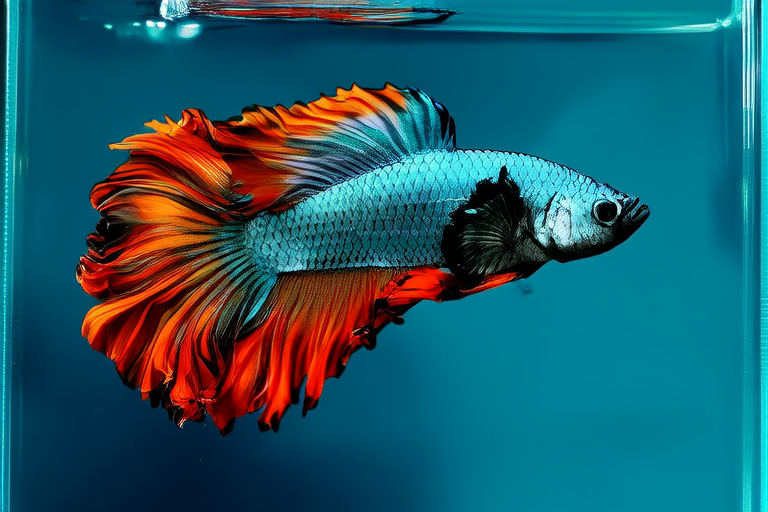
Secret Tips for Keeping Your Betta Healthy and Active
Welcome to the vibrant world of betta fish! These colorful, energetic creatures are a favorite among aquarium enthusiasts. Whether you’re a first-time owner or a seasoned aquarist, keeping your betta healthy and active requires attention to several key areas. In this article, we’ll explore the secrets to maintaining a thriving betta environment, from optimal tank setups to dietary specifics and beyond.
Optimal Tank Setup
First and foremost, providing your betta with the right living space is crucial. Contrary to popular belief, a small bowl won’t suffice; bettas need adequate space to swim comfortably. A tank of at least 2.5 gallons is ideal, ensuring that your pet has enough room to move around freely without feeling cramped.
Choose a tank with a lid to prevent any accidental escapes. Bettas are curious and can jump out if given the chance. The tank should be equipped with a filtration system to keep the water clean and free from toxins. Opt for a filter that provides gentle water flow, as bettas prefer calm environments. Additionally, include some live or silk plants to create hiding spots and mimic their natural habitat.
Water Parameters: Temperature, pH, Hardness
Water quality is paramount for your betta’s health. Maintaining the correct temperature, pH level, and water hardness is essential. The ideal temperature range for bettas is between 76°F and 82°F (24°C to 28°C). Use a reliable aquarium heater to maintain this temperature consistently. A thermometer placed inside the tank will help monitor these conditions.
The pH level should be kept within a range of 6.5 to 7.5. Bettas are adaptable but thrive best when the pH is slightly acidic to neutral. Regular testing with a pH kit is recommended to ensure stability. Water hardness, measured in degrees of general hardness (dGH), should ideally be between 5 and 20 dGH. Soft water can cause stress and health issues for your betta.
Diet Specifics
Bettas are carnivorous by nature and require a balanced diet rich in protein. High-quality flake food or pellets formulated specifically for bettas make excellent staples. Supplement their diet with frozen or freeze-dried foods like bloodworms, brine shrimp, and daphnia. Variety is key to meeting all nutritional needs. Avoid overfeeding, as excess food can lead to poor water quality and health problems.
Feed your betta twice daily, offering only what they can consume within a few minutes. Remove any uneaten food promptly to prevent pollution. Consider adding vegetables like blanched spinach or zucchini to provide fiber and additional nutrients.
Appropriate Tank Mates
Bettas are often described as aggressive towards other fish, especially males. However, with careful selection, it is possible to introduce compatible tank mates. Choose peaceful species that are not too large or aggressive themselves. Some suitable companions include small tetras, guppies, and snails.
Avoid housing bettas with long-finned fish, as bettas may view them as rivals. Also, refrain from introducing any fish that might nip at the betta’s fins or vice versa. Always research potential tank mates thoroughly before making additions to your aquarium community.
Exercise Needs
While bettas don’t require extensive swimming exercises like some other fish, they do benefit from opportunities to explore and engage. Provide ample hiding spots, such as caves or dense plant arrangements, to encourage exploration. Rotate decorations periodically to keep the environment interesting and stimulate natural behaviors.
Interactive toys, like floating bells or bubbles, can also enhance playtime. These items add visual and auditory stimulation, enriching the tank environment and promoting mental well-being.
Common Health Issues Prevention
Prevention is always better than cure when it comes to betta health. Regular maintenance and vigilance are vital. Perform weekly partial water changes, removing about 20% of the water and replacing it with fresh, dechlorinated water. This helps maintain water quality and prevents the buildup of harmful substances.
Inspect your betta regularly for signs of distress, such as labored breathing, lethargy, or unusual spots on the body. Common ailments include fin rot, ich, and swim bladder disorders. Early detection and treatment are crucial for recovery. Consult a veterinarian specializing in exotic pets for accurate diagnosis and care instructions.
Importance of Regular Maintenance and Environmental Enrichment
Maintaining a clean and stimulating environment is fundamental to your betta’s happiness and longevity. Regularly clean the tank glass, filter, and substrate to remove algae and debris. Check filters and heaters monthly to ensure proper functioning.
Environmental enrichment involves creating a dynamic and engaging living space. Besides providing hiding spots and toys, consider adding floating plants or driftwood to mimic natural habitats. These elements contribute to overall well-being and reduce stress.
In conclusion, keeping your betta healthy and active involves more than just feeding and housing them properly. By focusing on optimal tank setup, water parameters, diet specifics, appropriate tank mates, exercise needs, and common health issues prevention, you can ensure your betta leads a fulfilling life. Remember, a little extra effort goes a long way in providing the best possible care for these captivating creatures.
