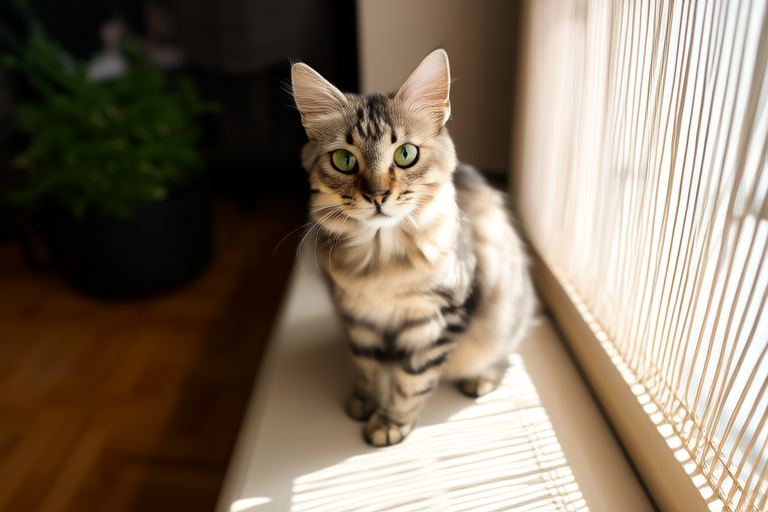
Adopting a Devon Rex: A Guide for Future Pet Parents
Welcome to the wonderful world of Devon Rex cats! These unique felines are known for their distinctive appearance and charming personalities. If you’re considering adding a Devon Rex to your family, this guide will provide you with all the information you need to make an informed decision and ensure a smooth transition for both you and your new furry friend.
Introduction to Devon Rex Cats
The Devon Rex is a breed of cat known for its wavy coat, large ears, and playful demeanor. Originating from Devon, England, these cats are often referred to as the ‘pixie’ or ‘elf’ of the cat world due to their unique physical features. Their short, curly fur and slender build make them stand out among other cat breeds. The Devon Rex’s most striking feature is its large, bat-like ears, which give it an almost alien appearance. This breed is highly intelligent and enjoys being around people, making them excellent companions for families and individuals alike.
Temperament
Devon Rex cats are known for their affectionate and playful nature. They are highly social animals that enjoy interacting with their human companions. These cats are curious and often exhibit behaviors similar to dogs, such as following their owners around the house and playing fetch. They are also known for their mischievous streak, always finding ways to entertain themselves and their owners. Despite their playful nature, Devon Rexes are generally calm and gentle, making them great pets for households with children and other pets.
Grooming Needs
One of the benefits of owning a Devon Rex is that they require minimal grooming compared to other long-haired cat breeds. Their short, curly fur sheds less than other cats, reducing the amount of hair around the house. However, regular brushing can help prevent matting and keep their coat healthy. Additionally, Devon Rex cats may benefit from occasional baths to remove excess oils from their skin. It’s important to start grooming routines early to ensure your cat becomes accustomed to them.
Health Considerations
While Devon Rex cats are generally healthy, there are some genetic health issues to be aware of. One common issue is hypothyroidism, which can cause weight gain, lethargy, and other symptoms. Regular check-ups with a veterinarian can help catch and treat any potential health problems early. Another concern is patellar luxation, a condition where the kneecap dislocates from its normal position. This can lead to lameness and discomfort if left untreated. As with any pet, maintaining a balanced diet and regular exercise can help promote overall health and well-being.
Suitable Living Environments
Devon Rex cats thrive in environments where they can interact with their owners and explore their surroundings. They are adaptable and can live comfortably in apartments or larger homes, as long as they have access to vertical spaces like shelves or cat trees. Providing toys and scratching posts can help keep them entertained and prevent destructive behavior. These cats also appreciate having windowsills or perches where they can observe the outside world. Ensuring your home is safe and secure for your new pet is essential for their happiness and well-being.
Preparing for Adoption
Before bringing a Devon Rex into your home, there are several steps you can take to ensure a smooth transition. First, it’s important to research reputable breeders or shelters that offer Devon Rex cats for adoption. Once you’ve found a suitable source, you can begin preparing your home by setting up a comfortable space for your new cat. This should include a litter box, food and water bowls, bedding, and toys. You may also want to consider purchasing a cat carrier for transporting your new pet safely. Finally, familiarize yourself with local veterinarians who specialize in feline care to ensure your cat receives proper medical attention.
Tips for Acclimating Your Devon Rex into a New Home
When introducing your new Devon Rex to your home, it’s important to give them time to adjust to their new environment. Start by placing them in a quiet room with all necessary supplies. Gradually introduce them to other areas of the house, allowing them to explore at their own pace. Encourage interaction with family members and other pets, but be patient if they seem hesitant or scared. Positive reinforcement through treats and praise can help build trust and strengthen the bond between you and your new pet.
Potential Challenges New Owners Might Face
While Devon Rex cats are generally easy to care for, there are some challenges that new owners may encounter. One common issue is their tendency to chew on household items, especially when they are young. Providing appropriate toys and chews can help redirect this behavior. Another challenge is ensuring they receive enough mental stimulation to prevent boredom and destructive behavior. Interactive play sessions and puzzle toys can help keep them engaged and entertained. Lastly, some Devon Rex cats may experience separation anxiety when left alone for extended periods. Establishing a routine and providing comfort items like blankets or toys can help alleviate this issue.
Conclusion and Resources for Further Learning
Adopting a Devon Rex cat is a rewarding experience that can bring years of joy and companionship to your life. By understanding their unique characteristics, temperament, grooming needs, health considerations, and suitable living environments, you can provide the best possible care for your new pet. Remember to prepare for adoption, acclimate them to their new home, and address any potential challenges with patience and love. For more information on Devon Rex care, consider consulting books, articles, and online forums dedicated to this breed. With proper care and attention, your Devon Rex will become an integral part of your family, bringing endless entertainment and affection.
