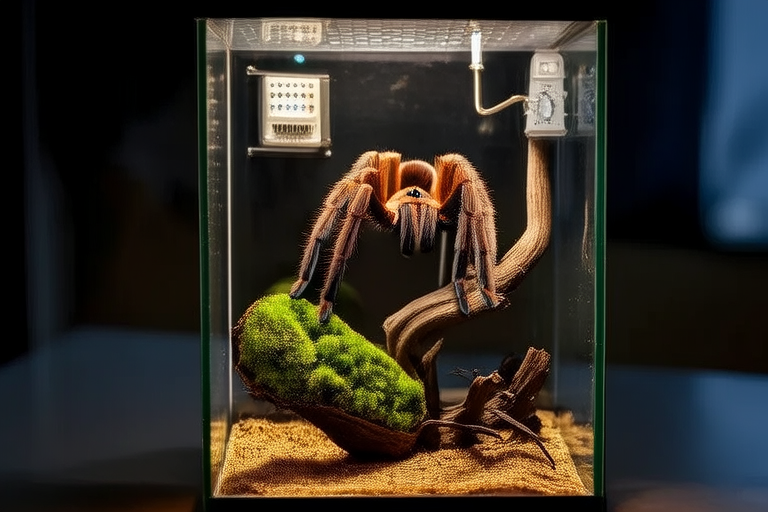
The Ultimate Guide: Tarantula Enclosures That Will Make Your Arachnid Happy
Providing a suitable enclosure for your tarantula is one of the most important aspects of tarantula care. Proper housing ensures that your arachnid thrives, maintaining its health and happiness. The enclosure serves as the tarantula’s home, offering protection from predators, providing comfort, and allowing for natural behaviors like burrowing or climbing. In this comprehensive guide, we will explore the key factors in designing a perfect tarantula enclosure, tailored to different species.
Understanding the Importance of Proper Enclosures
A well-designed enclosure mimics the tarantula’s natural habitat, ensuring it feels secure and comfortable. This is crucial because stress can lead to decreased appetite, weakened immune systems, and even premature death. A happy tarantula is more likely to be active and engage in behaviors that make it enjoyable to observe. Additionally, a correctly set-up enclosure helps maintain the right environmental conditions, which are essential for the tarantula’s overall health.
Key Factors in Designing Tarantula Enclosures
Size Matters
The size of the enclosure depends on the tarantula’s size and species. As a general rule, the enclosure should provide enough space for the tarantula to move around comfortably, but not so much that it becomes difficult to manage. For smaller tarantulas, a 5-gallon tank (about 10x10x12 inches) is sufficient. Larger tarantulas may require a 10-gallon tank or larger. Always consider the tarantula’s adult size when selecting an enclosure.
Substrate Types
The type of substrate you choose for your tarantula’s enclosure is critical. It should allow for burrowing if the tarantula is a burrower and provide a natural environment for the spider. Common substrates include coconut fiber, cypress mulch, and orchid bark. These materials hold moisture well, helping to maintain the necessary humidity levels. Avoid using substrates that can mold easily, like peat moss, or those that might cause impaction, such as sand.
Hiding Spots
Tarantulas are shy creatures that prefer to have hiding spots within their enclosure. These hideouts offer security and reduce stress. Hides can be made from various materials, including cork bark, plastic containers, or custom-built structures. Ensure that the hide is large enough for the tarantula to fit inside comfortably but not too big that it loses its sense of security. Multiple hides are recommended, especially for larger enclosures, to give the tarantula options.
Temperature and Humidity Levels
Maintaining the correct temperature and humidity levels is vital for tarantula health. Most tarantulas thrive in temperatures between 75°F and 85°F (24°C to 29°C). Humidity levels vary depending on the species, ranging from 60% to 80%. Tropical species generally require higher humidity, while desert species need lower humidity. Use a hygrometer to monitor humidity and a thermometer to check temperature. Adjust these levels by adding water dishes or misting the enclosure, and by using heating pads or heat lamps.
Ventilation
Proper ventilation is essential to prevent stagnant air and mold growth. While tarantulas need some humidity, too much can create an unhealthy environment. Enclosures should have some form of ventilation, such as mesh lids or small holes. Ensure that the ventilation does not cause drafts, which could lower the temperature inside the enclosure.
Choosing the Right Enclosure Based on Tarantula Species
Different tarantula species have varying needs regarding enclosure setup. For example, terrestrial species, like the Mexican red-knee tarantula, prefer deeper substrates where they can burrow. On the other hand, arboreal species, like the pink toe tarantula, need higher enclosures with branches or cork rounds for climbing. Research the specific requirements of your tarantula species before setting up the enclosure.
Maintaining the Enclosure
To ensure the enclosure remains safe and comfortable for your tarantula, regular maintenance is necessary. Clean the enclosure at least once a month, removing any uneaten food or waste. Replace the substrate every few months or whenever it becomes dirty. Check the humidity and temperature levels regularly, making adjustments as needed. Inspect the enclosure for signs of wear and tear, replacing damaged parts promptly.
Common Mistakes to Avoid When Setting Up a Tarantula Enclosure
- Overcrowding: Providing too little space can lead to stress and health issues.
- Incorrect Temperature and Humidity: Failing to maintain the right environmental conditions can result in dehydration or respiratory problems.
- Lack of Hiding Spots: Not providing adequate hiding spots can increase stress levels.
- Poor Ventilation: Stagnant air can lead to mold growth and poor air quality.
Resources for Further Learning
For those looking to deepen their knowledge about tarantula care, there are many resources available. Books, such as ‘Tarantulas and Other Arachnids’ by Stanley Schultz and Marguerite Schultz, provide detailed information on tarantula biology and care. Online forums and communities, like the American Tarantula Society, offer support and advice from experienced tarantula keepers. Local reptile expos and pet stores often host events featuring experts who can answer questions and provide guidance.
