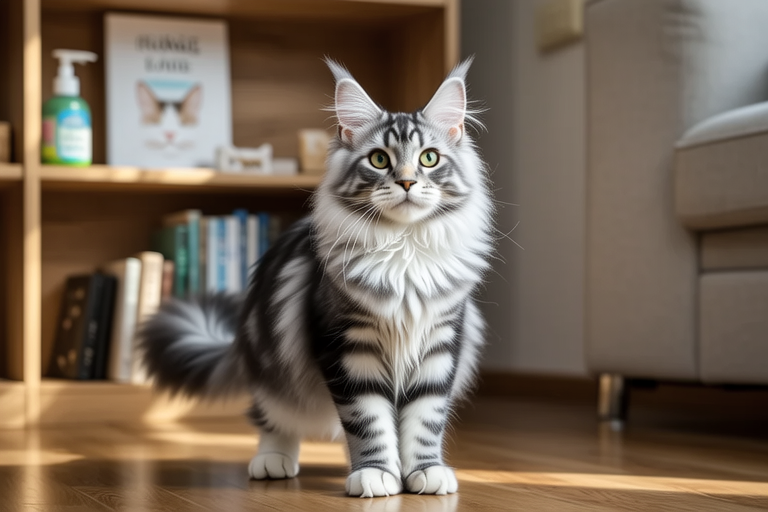
A Comprehensive Guide to Owning a Maine Coon: Tips from Expert Breeders
When it comes to choosing a cat as a pet, the Maine Coon stands out due to its striking appearance, gentle demeanor, and robust health. This guide provides a comprehensive overview of owning a Maine Coon, offering valuable insights from expert breeders on various aspects of caring for this majestic feline.
The History and Characteristics of Maine Coons
Maine Coons have a rich history dating back centuries, with their origins rooted in New England. These cats are known for their large size, tufted ears, and thick, water-resistant coats, which were originally developed to withstand harsh winter conditions. They are often referred to as “gentle giants” due to their calm and friendly nature.
According to renowned breeder Sarah Thompson, “Maine Coons are intelligent and sociable creatures that thrive in family settings.” Their intelligence allows them to adapt easily to different environments, making them ideal pets for homes with children or other animals. The breed’s characteristic tufts of fur on their paws and ears add to their unique charm, while their long, bushy tails serve as a natural blanket during colder months.
Essential Grooming and Health Care Tips
Grooming is an essential part of maintaining your Maine Coon’s health and well-being. Their dense, shaggy coats require regular brushing to prevent matting and keep the skin healthy. Professional groomer Emily Davis recommends brushing your cat at least twice a week, especially during shedding seasons.
In addition to grooming, ensuring your cat’s overall health is crucial. Regular veterinary check-ups are necessary to monitor their health and catch any potential issues early. Vaccinations, flea control, and dental care are all important aspects of maintaining good health. Many experts suggest feeding your cat a high-quality diet rich in protein and essential nutrients to support their immune system.
Dietary Recommendations
Feeding your Maine Coon a balanced diet is vital for their growth and longevity. Dr. James Miller, a veterinarian specializing in feline nutrition, advises owners to choose foods that meet the nutritional needs of their specific cat. “Look for diets that provide adequate amounts of protein, fat, vitamins, and minerals,” he says. Wet food can be beneficial for hydration, while dry food helps maintain dental hygiene.
It’s also important to consider portion sizes and feeding schedules. Overfeeding can lead to obesity, which may contribute to joint problems and other health issues. Consult your vet for personalized advice based on your cat’s age, weight, and activity level.
Common Behavioral Traits and Management Strategies
Maine Coons are generally easy-going and affectionate, but they can exhibit certain behaviors that might require management. For instance, some Maine Coons enjoy playing fetch or retrieving toys, much like dogs. Trainer Mark Johnson suggests incorporating interactive play sessions into daily routines to channel their energy positively.
If your cat becomes overly vocal or destructive, it could indicate boredom or stress. Providing plenty of mental stimulation through puzzles, climbing structures, and interactive toys can help alleviate these issues. Positive reinforcement techniques such as clicker training can also encourage desirable behaviors while discouraging unwanted ones.
Suitable Living Environments
Maine Coons can adapt to various living situations, but they do best in environments that offer space for exploration and comfort. Indoor living is recommended to protect them from outdoor dangers like traffic, wildlife encounters, and infectious diseases.
Creating a safe and stimulating indoor environment involves providing scratching posts, climbing trees, and cozy resting spots. Windowsills or perches near windows allow your cat to observe the world outside safely. Some owners even set up designated areas where their cats can spend time outdoors under supervision using enclosed catio spaces.
Advice on Socializing Your Maine Coon
Early socialization plays a significant role in shaping your Maine Coon’s personality and behavior. Exposing kittens to different people, sounds, and experiences from a young age helps build confidence and reduces anxiety later in life.
To socialize your Maine Coon effectively, introduce new stimuli gradually and positively. Use treats, praise, and gentle handling to create positive associations with unfamiliar situations. Encourage interaction with family members and visitors by setting up supervised playdates. Socialization should continue throughout adulthood to ensure your cat remains comfortable and adaptable.
Conclusion
Owning a Maine Coon is a rewarding experience filled with companionship and joy. By understanding their history, meeting their grooming and healthcare needs, providing proper nutrition, managing common behaviors, creating suitable living environments, and fostering strong social bonds, you’ll be well-equipped to give your Maine Coon a happy and healthy life.
