The Comprehensive Guide to Rajah Cichlids: Ideal Water Conditions, Diet, Tank Setup, and More
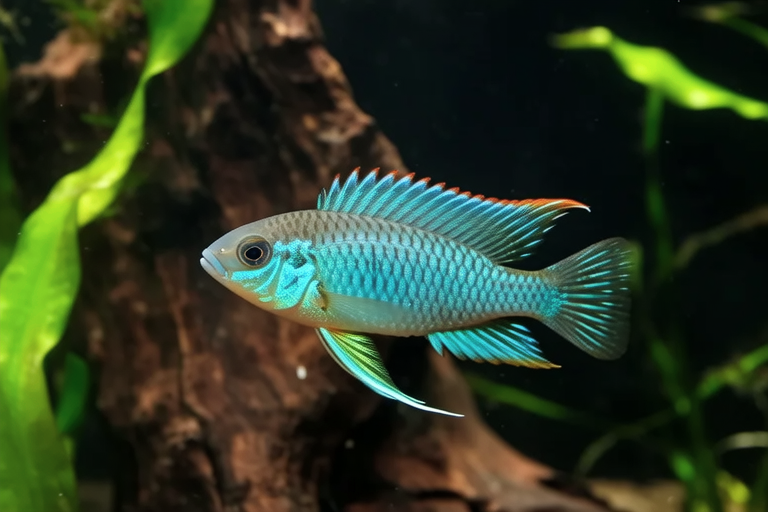
Rajah Cichlids, also known as Aequidens rivulatus, are captivating fish species native to the rivers and streams of Guyana, Suriname, and French Guiana. These vibrant cichlids have gained popularity among aquarium enthusiasts for their striking appearance and engaging behavior. However, they come with specific care requirements that need to be met to ensure their longevity and well-being. This guide will provide you with all the essential information you need to care for Rajah Cichlids, including ideal water conditions, diet, tank setup, social behavior, common health issues, and preventive measures.
Water Conditions
Maintaining optimal water conditions is crucial for the health and happiness of your Rajah Cichlids. These fish thrive in slightly acidic water with a pH range of 6.0 to 7.0. The temperature should be kept between 74°F and 82°F (23°C to 28°C), closely mirroring their natural habitat. Additionally, it’s important to maintain a hardness level of 5 to 12 dGH. Regular water changes, ideally 20% weekly, help to keep the water clean and prevent the buildup of harmful substances. A high-quality filter that provides both mechanical and biological filtration is essential to maintaining water quality.
Diet
Rajah Cichlids are omnivorous, meaning they require a balanced diet consisting of both plant matter and protein. In the wild, they feed on insects, small crustaceans, algae, and aquatic plants. To replicate this diet in captivity, offer a variety of foods such as high-quality cichlid pellets, freeze-dried or frozen bloodworms, brine shrimp, and occasional vegetables like blanched spinach or zucchini. It’s important to avoid overfeeding, as excess food can lead to poor water quality. Feed your Rajah Cichlids twice daily, offering only what they can consume within a few minutes.
Tank Setup
Creating an appropriate tank setup is vital for the well-being of Rajah Cichlids. They require ample swimming space, so a minimum tank size of 55 gallons is recommended for a single pair. For a group of these fish, a larger tank of at least 75 gallons is advisable. The tank should be decorated with plenty of hiding spots, such as caves, driftwood, and rocks, to mimic their natural environment. Live plants like Java Fern, Anubias, and Amazon Sword can also be included to enhance the tank’s aesthetic appeal and provide additional hiding places.
Substrate plays a significant role in the tank setup. Fine gravel or sand is preferable, as it allows for the natural behaviors of the fish, such as sifting through the substrate in search of food. Ensure that the substrate is smooth to prevent any injuries to the fish’s delicate barbels. Adequate filtration is crucial to maintain water quality, and a strong circulation system is necessary to prevent stagnant areas within the tank.
Social Behavior
Rajah Cichlids are semi-aggressive fish that can be territorial, especially when breeding. While they can coexist with other similarly sized, robust fish, it’s essential to carefully select tank mates to avoid conflicts. Suitable companions include robust cichlids like Jack Dempseys, Convicts, and Firemouths, as well as peaceful bottom-dwelling species like Corydoras catfish. Avoid keeping them with slow-moving or timid fish, as they may become stressed or injured.
When introducing new fish into the tank, it’s best to do so gradually. Introduce one or two fish at a time and monitor their interactions closely. If aggression arises, consider separating the fish or providing more hiding spots to reduce territorial disputes.
Common Health Issues and Preventive Measures
Like all fish, Rajah Cichlids are susceptible to various health issues. Some common problems include fin rot, ich, and bacterial infections. Fin rot is often caused by poor water quality and can be treated with antibiotics. Ich, a parasitic infection, manifests as white spots on the fish’s body and can be treated with ich-specific medications. Bacterial infections may result from stress or injury and can be addressed with broad-spectrum antibiotics.
To prevent these issues, maintain excellent water quality through regular water changes and proper filtration. Quarantine new fish before adding them to the main tank to avoid introducing diseases. Additionally, provide a varied and nutritious diet to boost the fish’s immune system. Regularly observe your fish for any signs of illness, such as lethargy, loss of appetite, or abnormal behavior, and address any issues promptly.
Creating a Stimulating Environment
Providing a stimulating environment that mimics the natural habitat of Rajah Cichlids is key to their happiness and well-being. In the wild, these fish inhabit fast-flowing rivers with rocky bottoms and dense vegetation. Replicate this environment in your tank by incorporating strong water flow, which can be achieved using powerheads or external filters. The increased water movement not only promotes better oxygenation but also encourages natural swimming patterns.
Incorporate a variety of hiding spots and caves to give your fish a sense of security. Use rocks and driftwood to create intricate structures that provide both shelter and enrichment. Live plants can also be beneficial, as they offer additional hiding places and contribute to the overall aesthetic of the tank. Consider adding some floating plants to soften the lighting and provide shade, as Rajah Cichlids prefer subdued lighting conditions.
Tips for Novice and Experienced Aquarists
For novice aquarists, taking the time to research and understand the specific needs of Rajah Cichlids is essential. Start with a well-established tank and ensure that water parameters are stable before introducing the fish. Gradually acclimate your fish to the tank by floating the bag in the tank for 15-20 minutes, then slowly adding small amounts of tank water to the bag over the course of an hour. This process helps minimize stress and shock.
Experienced aquarists may already have a good understanding of water chemistry and filtration systems, but it’s always beneficial to stay informed about the latest advancements in fish care. Consider joining online forums or local aquarium clubs to connect with fellow hobbyists and share knowledge. Regular maintenance, such as cleaning filters and performing water changes, remains crucial for the long-term health of your Rajah Cichlids.
Both novice and experienced aquarists can benefit from keeping detailed logs of water parameters, feeding schedules, and any observed behaviors. This information can be invaluable in identifying potential issues early and making informed decisions about tank management.
Conclusion
Rajah Cichlids are beautiful and fascinating fish that bring joy and excitement to many aquariums. By providing them with the ideal water conditions, a nutritious diet, a suitable tank setup, and a stimulating environment, you can ensure their longevity and well-being. Remember to monitor their health closely and take preventive measures to avoid common ailments. With proper care and attention, Rajah Cichlids can thrive in your aquarium for years to come, rewarding you with their vibrant colors and engaging behavior.
