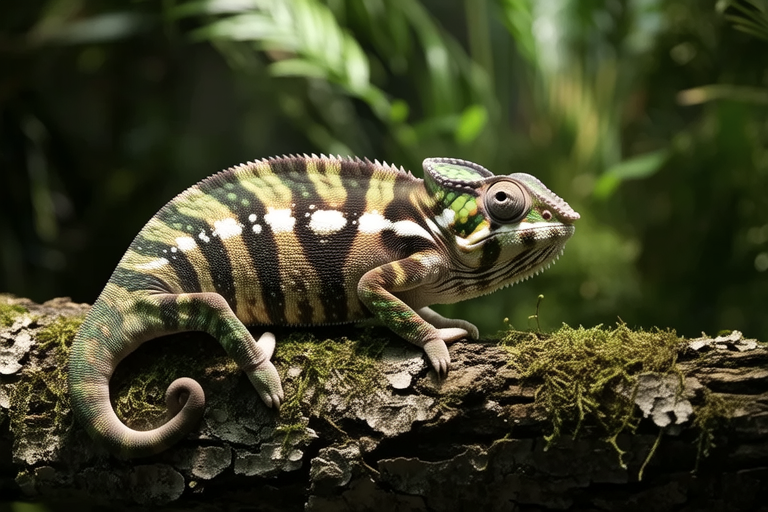
Chameleon Care Made Simple: Essential Tips for First-Time Owners and Beyond
Welcome to the world of chameleon care! Chameleons are fascinating creatures with unique needs that make them both rewarding and challenging pets. Whether you’re a first-time owner or an experienced enthusiast, this guide will help you understand the essentials of chameleon care. We’ll cover habitat setup, diet, health considerations, common mistakes to avoid, and tips for maintaining a happy, healthy chameleon.
Habitat Setup
The first step in chameleon care is setting up the right habitat. Chameleons are arboreal animals, meaning they spend most of their time in trees. Therefore, their enclosure should mimic their natural environment as closely as possible.
- Enclosure Size: A juvenile chameleon requires at least a 20-gallon tank, while adults need a minimum of 40 gallons. However, larger enclosures are always better.
- Branches and Plants: Provide plenty of branches and live plants for climbing and hiding. Ficus benjamina (weeping fig) and pothos are popular choices.
- Lighting: Use UVB lighting to provide essential vitamin D3 synthesis. Full-spectrum lighting is also necessary for general well-being. Replace bulbs every six months.
- Temperature and Humidity: Maintain daytime temperatures between 75-85°F (24-29°C) and nighttime temperatures between 65-75°F (18-24°C). Humidity should range from 40% to 70%, depending on the species.
- Water Source: Install a drip system or misting device to simulate rain showers and ensure constant access to fresh water.
Diet
Feeding your chameleon a balanced diet is crucial for its health and longevity. Chameleons are insectivores, so their diet primarily consists of insects. Here’s how to feed your chameleon properly:
- Insects: Offer a variety of insects such as crickets, dubia roaches, waxworms, and mealworms. Gut-load insects by feeding them nutritious foods before offering them to your chameleon.
- Variety: Introduce different types of insects to ensure a diverse diet. Avoid feeding the same type of insect repeatedly.
- Supplements: Dust insects with calcium and multivitamin powders to prevent deficiencies. Be cautious not to over-supplement, as this can lead to health issues.
- Frequency: Feed juveniles daily, while adults can be fed every other day. Adjust feeding frequency based on the chameleon’s activity level and body condition.
Health Considerations
Regular monitoring and preventive measures are key to keeping your chameleon healthy. Early detection of health problems can prevent severe issues later on.
- Signs of Illness: Watch for signs such as lethargy, loss of appetite, abnormal shedding, or changes in coloration. Consult a veterinarian specializing in reptiles if you notice any concerning symptoms.
- Parasite Control: Regular fecal exams can help detect internal parasites. Discuss parasite control strategies with your vet.
- Preventive Care: Schedule regular check-ups with a reptile veterinarian. They can provide vaccinations, perform blood tests, and offer advice on maintaining optimal health.
Common Mistakes to Avoid
Even experienced chameleon owners may fall into some common pitfalls. Here are a few mistakes to avoid:
- Overcrowding: Do not house multiple chameleons together. They are territorial and may fight, leading to stress and injuries.
- Improper Lighting: Insufficient UVB exposure can lead to metabolic bone disease. Conversely, too much UVB can cause skin damage.
- Incorrect Feeding: Overfeeding or underfeeding can lead to obesity or malnutrition. Always consult with a veterinarian about the appropriate diet for your chameleon.
- Poor Hygiene: Dirty enclosures can harbor bacteria and parasites. Clean the enclosure regularly and disinfect it periodically.
Tips for Maintaining a Happy, Healthy Chameleon
Maintaining a happy, healthy chameleon involves more than just proper care; it also requires patience and understanding of their behavior.
- Handling: Chameleons do not enjoy being handled. Limit handling to necessary tasks only, and always support their body when holding them.
- Stress Reduction: Minimize stress by creating a calm environment. Avoid sudden movements and loud noises near the enclosure.
- Environmental Enrichment: Provide toys and activities to stimulate mental and physical exercise. This can include puzzle feeders, new branches, or additional plants.
- Monitoring Behavior: Pay attention to your chameleon’s behavior. Changes in activity levels, appetite, or appearance can indicate underlying health issues.
Chameleon care requires ongoing learning and adaptation. The information provided here serves as a foundation for understanding the unique needs of these captivating creatures. Remember, each chameleon is an individual with its own preferences and requirements. By staying informed and attentive, you can ensure your chameleon lives a long, healthy, and fulfilling life.
As you embark on your chameleon ownership journey, embrace the opportunity to learn and grow alongside your pet. With dedication and care, you’ll form a bond that brings joy and wonder to both of your lives.
