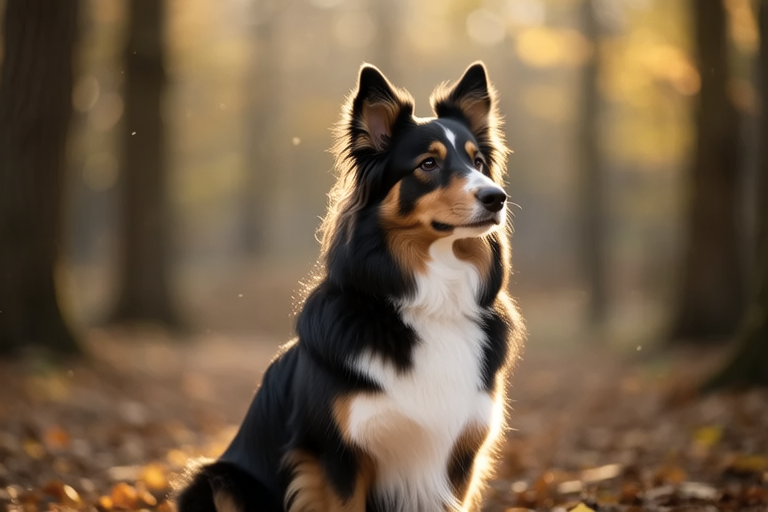
The Evolution and Characteristics of German Shepherds: The Most Loyal Dog Breed
German Shepherds have long been recognized as one of the most loyal and versatile dog breeds in the world. Their history is rich with tales of dedication, intelligence, and adaptability, making them a favorite among dog enthusiasts, professionals, and families alike. This article explores the origins, development, and characteristics of German Shepherds, highlighting what makes them such a beloved breed.
The Origins of the German Shepherd
The German Shepherd breed traces its roots back to the late 19th century when Captain Max von Stephanitz, a cavalry officer and dog enthusiast, sought to create a versatile working dog that could excel in various tasks. In 1899, he founded the Verein für Deutsche Schäferhunde (SV) or the Society for the German Shepherd Dog. Von Stephanitz envisioned a breed that would be intelligent, strong, and capable of performing herding duties, which were crucial for farmers in Germany at the time.
Von Stephanitz’s vision led him to breed dogs that combined the best traits from various herding breeds, focusing on physical strength, agility, and a keen sense of obedience. He aimed for a breed that was not only beautiful but also functional, embodying the essence of a true working dog. The first German Shepherd registered by the SV was Hektor Linksrhein, later renamed Horand von Grafrath, who became the foundation sire of the breed.
The Development of German Shepherds as Working Dogs
From the beginning, German Shepherds were designed to be working dogs. They were bred to herd sheep and protect flocks from predators, but their versatility quickly became apparent. As industrialization transformed Europe, the demand for herding dogs diminished, but the need for intelligent, trainable dogs grew in other areas. German Shepherds found new roles in police work, military operations, search and rescue, and even as therapy animals.
During World War I, German Shepherds gained international recognition for their bravery and loyalty. They served as messenger dogs, scouts, and even bomb detectors, saving countless lives on the battlefield. Their ability to perform complex tasks under stressful conditions showcased their exceptional intelligence and adaptability. After the war, many returning soldiers brought home German Shepherds, further increasing their popularity.
Throughout the 20th century, German Shepherds continued to prove their worth in various fields. They became integral members of police forces around the world, known for their keen sense of smell and ability to track criminals. In addition, they excelled in search and rescue missions, often being the first responders in natural disasters and accidents. Their loyalty and protective nature made them ideal companions for individuals with disabilities, providing assistance and emotional support.
Key Traits That Define Their Loyalty
Loyalty is one of the defining characteristics of German Shepherds, and it stems from their deep bond with their human counterparts. These dogs form strong attachments to their owners, often displaying unwavering devotion. This loyalty is rooted in their pack mentality, where they view their human family as part of their pack, protecting and serving them with utmost dedication.
German Shepherds are highly intelligent, ranking among the top dog breeds in terms of trainability. Their intelligence allows them to learn commands quickly and follow instructions precisely, making them ideal candidates for specialized training. Whether it’s learning complex obedience routines or mastering advanced tasks like scent detection, German Shepherds thrive on mental stimulation and the opportunity to serve.
Another key trait that defines their loyalty is their protective nature. German Shepherds are naturally alert and wary of strangers, which makes them excellent guard dogs. However, this does not mean they are aggressive; rather, they are cautious and will only act if they perceive a genuine threat. Their protective instincts extend beyond physical safety to emotional support, offering comfort and companionship during times of stress or illness.
Notable Roles They’ve Played
German Shepherds have played numerous notable roles throughout history, cementing their reputation as one of the most versatile and reliable dog breeds. One of their most prominent roles has been in law enforcement, where they serve as police dogs, assisting officers in apprehending suspects and detecting illegal substances. Their keen sense of smell and ability to track make them invaluable partners in criminal investigations.
In addition to their role in law enforcement, German Shepherds have also been instrumental in military operations. During both World Wars, they served as sentries, messengers, and scouts, helping to ensure the safety of troops and locate enemy positions. Today, they continue to serve in various military capacities, including bomb detection and search and rescue missions.
One of the most heartwarming roles German Shepherds have played is as service dogs for individuals with disabilities. Their intelligence and loyalty make them perfect companions for people with mobility issues, visual impairments, or other challenges. They provide not only practical assistance but also emotional support, offering a sense of security and companionship that can greatly improve the quality of life for their handlers.
German Shepherds have also found success in the competitive arena, excelling in obedience trials, agility competitions, and other canine sports. Their natural athleticism and desire to please make them ideal competitors, and their success in these events showcases their versatility and trainability. Additionally, their presence in movies, television shows, and advertisements has helped to solidify their status as one of the most recognizable and beloved dog breeds.
Worldwide Popularity and Future Prospects
The global popularity of German Shepherds is a testament to their enduring appeal as both working dogs and companions. Their versatility, intelligence, and loyalty have made them a favorite among dog enthusiasts and professionals alike. Whether serving as police dogs, search and rescue animals, or loving family pets, German Shepherds continue to play important roles in society.
Looking to the future, it is likely that German Shepherds will continue to evolve and adapt to meet the changing needs of their human counterparts. Advances in training techniques and technology may lead to new roles for these dogs, allowing them to serve in even more specialized capacities. As long as there is a need for intelligent, loyal, and adaptable working dogs, German Shepherds will remain at the forefront of canine excellence.
However, it is important to remember that the success of any dog breed depends not only on their inherent qualities but also on responsible breeding practices and ownership. To maintain the health and well-being of German Shepherds, breeders must prioritize genetic diversity and avoid overbreeding. Potential owners should carefully consider the responsibilities of owning a German Shepherd, ensuring they can provide the necessary care, training, and attention.
Conclusion
The evolution and characteristics of German Shepherds have made them one of the most loyal and versatile dog breeds in the world. From their origins as herding dogs in 19th-century Germany to their current roles as police dogs, service animals, and family companions, German Shepherds have proven their worth time and again. Their intelligence, loyalty, and adaptability make them ideal candidates for a wide range of tasks, and their enduring popularity speaks to their value as both working dogs and beloved pets.
As we look to the future, it is clear that German Shepherds will continue to play important roles in society, adapting to meet the changing needs of their human counterparts. By fostering responsible breeding practices and ownership, we can ensure that these remarkable dogs will remain at the forefront of canine excellence for generations to come.
