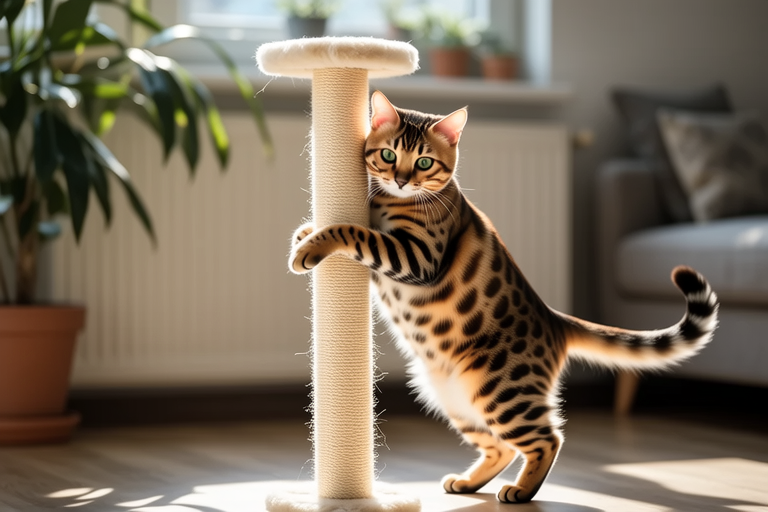
Adventures of a Bengal Cat Owner: Tips and Tricks
Welcome to the exciting world of Bengal cat ownership! These cats are known for their striking appearance and playful personalities. As a Bengal cat owner, you’ll discover a world full of adventures and challenges that will keep you engaged and entertained. This guide will provide you with unique insights and practical advice to help you navigate the ups and downs of owning a Bengal cat.
Understanding Bengal Cat Behavior
Bengal cats are descendants of the Asian leopard cat, which explains their wild appearance and energetic nature. They are incredibly curious and love to explore. One of the most endearing traits of Bengals is their love for water. My Bengal, Luna, loves to splash around in the sink or bathtub, much to my amusement. Understanding your Bengal’s behavior can help you anticipate their needs and provide them with a stimulating environment.
Bengals are highly social creatures and thrive on interaction with their human companions. They enjoy being involved in family activities and can often be found underfoot. Their playful demeanor makes them excellent companions for children, but it’s important to supervise interactions to ensure safety.
Essential Care Tips
Proper care is crucial for the well-being of your Bengal cat. Regular veterinary check-ups are essential to catch any potential health issues early. Vaccinations and parasite control should be kept up to date. Bengals have a thick, short coat that requires minimal grooming, but regular brushing helps remove loose hair and prevents matting.
Providing a balanced diet is vital for your Bengal’s health. High-quality cat food that meets their nutritional requirements is recommended. I’ve found that wet food is particularly beneficial as it provides additional hydration, which is especially important for Bengals. Always have fresh water available and consider adding a pet fountain to encourage drinking.
Interactive Play Ideas
Bengals are natural hunters, so providing toys that stimulate their hunting instincts is essential. Feather wands, laser pointers, and interactive puzzle feeders are great options. My Bengal, Max, loves chasing after feather wands and laser pointers. It’s a great way to bond and tire him out before bedtime.
Consider creating an indoor playground with shelves, tunnels, and perches. Bengals enjoy climbing and exploring, so providing vertical spaces allows them to exercise and stay active. Incorporating interactive elements like treat-dispensing toys can also keep them mentally stimulated.
Diet Recommendations
A well-balanced diet is key to keeping your Bengal cat healthy and happy. Bengals require a high-protein diet that mimics what they would eat in the wild. Wet food is preferable to dry food as it provides better hydration. You can supplement their diet with occasional treats, but avoid feeding them table scraps as they may contain harmful ingredients.
Feeding your Bengal at consistent times each day helps establish a routine. Some owners find that dividing meals into smaller portions throughout the day keeps their Bengal from becoming too hungry between meals. Always monitor your cat’s weight and adjust their diet accordingly.
Grooming Needs
Bengals have a short, dense coat that requires minimal grooming. However, regular brushing helps remove loose hair and prevents matting. Use a soft-bristled brush or a rubber curry comb to gently brush your Bengal. Bathing is rarely necessary, but if you need to bathe your cat, use a gentle shampoo designed for cats.
Trimming your Bengal’s nails is important to prevent scratching damage and discomfort. Use sharp nail clippers and be careful not to cut the quick, which can cause bleeding. If you’re unsure about trimming your cat’s nails, consult your veterinarian or a professional groomer.
Training Techniques
Training your Bengal cat can be a fun and rewarding experience. Positive reinforcement techniques, such as treats and praise, work best. Bengals are intelligent and can learn simple commands like ‘sit’ or ‘come.’ Clicker training is an effective method for teaching specific behaviors.
Teaching your Bengal to use a litter box is usually straightforward, but accidents can happen. If your Bengal has an accident outside the litter box, clean the area thoroughly with an enzymatic cleaner and retrain them using positive reinforcement. Consistency is key when training your Bengal.
Common Health Issues
Bengals are generally healthy cats, but they are prone to certain genetic conditions. Hypertrophic cardiomyopathy (HCM) is a heart disease that can affect Bengals. Regular veterinary check-ups and echocardiograms can help detect HCM early. Progressive retinal atrophy (PRA) is another condition that can lead to blindness. Genetic testing can identify carriers of these conditions.
Obesity is a common issue in Bengal cats, especially if they are overfed or lack sufficient exercise. Maintaining a healthy weight through proper diet and regular playtime is essential. Dental health is also important, so provide dental chews and brushes to keep their teeth clean.
Enriching Their Environment
Creating an enriched environment for your Bengal cat is crucial for their physical and mental well-being. Provide plenty of vertical spaces for climbing and exploring. Consider installing cat trees, shelves, and window perches to allow your Bengal to observe the world from different perspectives.
Incorporate interactive elements like puzzle feeders and treat-dispensing toys to keep your Bengal mentally stimulated. Rotate toys periodically to prevent boredom and maintain interest. Providing safe outdoor access, such as a catio, allows your Bengal to experience the outdoors while remaining secure.
Personal Experiences and Anecdotes
One of my fondest memories with my Bengal, Luna, was during a rainy afternoon. She spent hours playing in the bathtub, splashing and rolling in the water. Her joy was contagious, and it reminded me of the importance of providing stimulation and play for Bengals. Another time, my Bengal, Max, learned to open cabinet doors. While it was initially frustrating, I turned it into a training opportunity by teaching him to ‘close’ the door for treats.
These personal experiences highlight the unique and endearing qualities of Bengal cats. By sharing stories and learning from other Bengal owners, we can continue to grow and improve our understanding of these wonderful animals.
In conclusion, owning a Bengal cat is an adventure filled with joy, laughter, and challenges. By understanding their behavior, providing essential care, engaging in interactive play, maintaining a balanced diet, addressing grooming needs, utilizing effective training techniques, managing common health issues, and enriching their environment, you can ensure a fulfilling and happy life for your Bengal cat. Enjoy the journey and all the wonderful moments that come with it!
