From Tank to Table: A Journey into Goldfish Lifespans
Introduction:
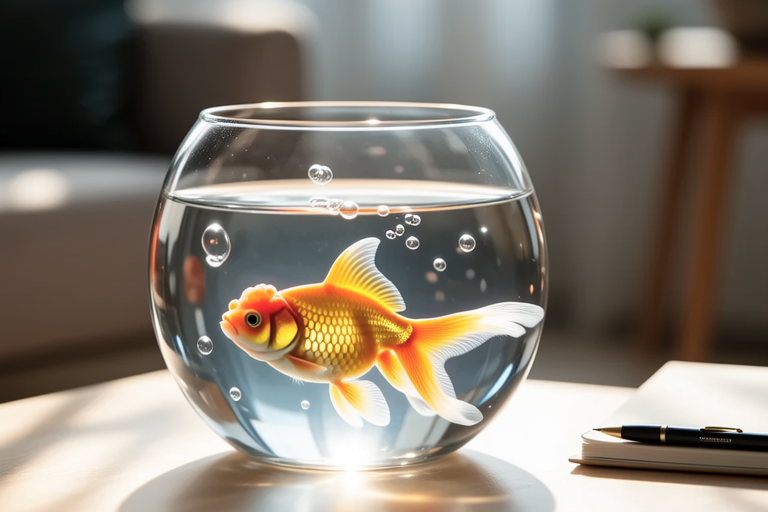
Goldfish, those ubiquitous aquatic companions often seen darting through home aquariums, are more than just decorative pets. They are complex creatures with surprising lifespans that can be significantly influenced by the care they receive. This article delves into the myths surrounding goldfish lifespans, explores the factors that affect their longevity, and addresses the cultural practices of consuming these fish. It concludes with practical advice for responsible goldfish ownership.
Common Misconceptions About Goldfish Lifespans
One of the most prevalent myths about goldfish is that they only live a few years. This misconception arises from the fact that many goldfish are kept in unsuitable conditions, leading to shortened lifespans. In reality, goldfish can live for decades under optimal conditions. For instance, the oldest recorded goldfish lived to be over 40 years old. This longevity is possible when goldfish owners provide proper care, including adequate space, nutrition, and regular veterinary check-ups.
Factors Affecting Goldfish Longevity
Diet
A balanced diet is crucial for goldfish health. Their diet should consist of high-quality commercial fish food supplemented with fresh vegetables like zucchini or peas. Overfeeding is a common mistake; it can lead to obesity and poor water quality. Scientific studies have shown that goldfish fed a varied diet with appropriate portion control can thrive longer.
Tank Size
The size of the tank plays a significant role in goldfish longevity. Goldfish are active swimmers and need ample space to move freely. A general rule of thumb is to provide at least 20 gallons of water per goldfish. Larger tanks not only offer more swimming room but also help maintain better water quality, reducing stress on the fish.
Water Quality
Water quality is paramount for goldfish health. Regular water changes and filtration are essential to remove toxins and maintain a healthy environment. Ammonia and nitrite levels should be monitored closely, as even slight increases can be harmful. Using a water conditioner to neutralize chlorine and heavy metals is also recommended.
Veterinary Care
Regular veterinary care can prevent and treat illnesses, extending a goldfish’s life. Annual check-ups allow veterinarians to monitor growth, weight, and overall health. Vaccinations against common diseases are also beneficial. Anecdotes from experienced aquarists highlight how timely medical intervention has saved goldfish from otherwise fatal conditions.
Cultural Practices Where Goldfish Are Consumed
In certain cultures, particularly in parts of Asia, goldfish are considered a delicacy. The consumption of goldfish raises ethical questions about their treatment and the impact on their populations. Proponents argue that eating goldfish is no different from eating other fish, while critics point out the unique bond people form with pet goldfish. Nutritionally, goldfish are low in fat and calories, providing a lean source of protein.
Advice for Responsible Goldfish Ownership
Owning a goldfish is a long-term commitment that requires dedication and knowledge. First-time owners should research extensively before bringing a goldfish home. Setting up a suitable tank environment is critical, ensuring it meets the space and water quality requirements. Regular maintenance, including cleaning and water changes, is necessary to keep the tank healthy.
Feeding a balanced diet and monitoring for signs of illness are key responsibilities. Owners should also be prepared for the possibility of a goldfish living for decades, which means planning for its care over the long term. This includes considering what will happen to the goldfish if the owner is unable to care for it.
Conclusion:
Goldfish are fascinating creatures with the potential to live long, healthy lives. By understanding the factors that influence their longevity and making informed choices, owners can ensure their goldfish thrive. Whether kept as beloved pets or part of cultural traditions, goldfish deserve thoughtful consideration and care. Responsible ownership not only enhances the quality of life for these fish but also fosters a deeper appreciation for their unique place in our world.
