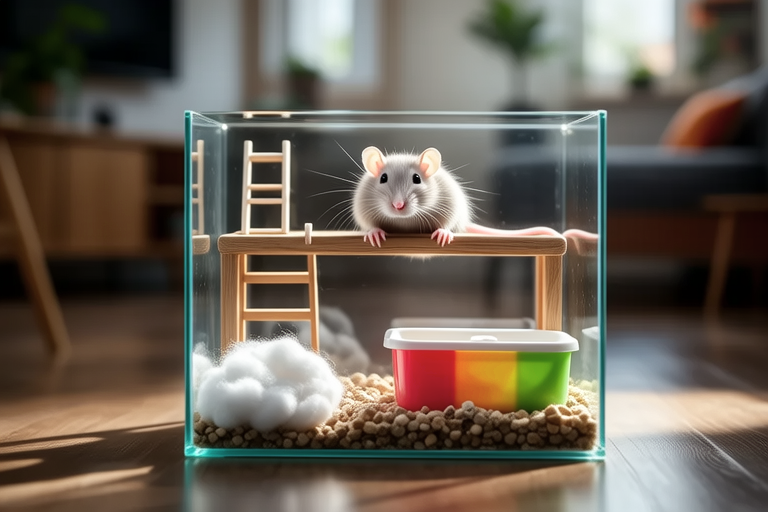
Transforming Your Space: Creative Cage Ideas for Your Fancy Rat
Fancy rats, also known as domesticated brown rats, are intelligent, social creatures that require a stimulating environment to thrive. Their curious nature and playful demeanor make them ideal pets for those who want companionship without the usual maintenance of larger animals. Understanding their unique needs and personalities is crucial for creating a cage that not only meets their physical requirements but also enriches their lives.
The Unique Needs and Personalities of Fancy Rats
Fancy rats are highly social animals that thrive in pairs or small groups. They are intelligent and can learn tricks, respond to their names, and even enjoy interactive playtime with their owners. Their natural curiosity leads them to explore their surroundings constantly, making it important to provide a stimulating environment that encourages exploration and mental engagement. A boring, unstimulating environment can lead to stress, boredom, and even behavioral issues in fancy rats.
Essential Cage Features
When selecting or designing a cage for your fancy rat, several key features must be considered to ensure they have a healthy and enjoyable living space:
- Size: The cage should be large enough to allow your rat to move around freely, stretch out, and engage in various activities. As a general rule, the cage should be at least three times the length of the rat when fully extended.
- Ventilation: Proper ventilation is essential to prevent the buildup of ammonia from urine and feces, which can cause respiratory problems. Ensure the cage has adequate airflow without drafts.
- Safety: The cage should be escape-proof and free from any sharp edges or dangerous materials. Bars should be spaced close enough to prevent your rat from squeezing through.
Creative Cage Setup Ideas
Creating an engaging and stimulating environment for your fancy rat can be both fun and rewarding. Here are some creative cage setup ideas to inspire you:
DIY Projects Using Household Items
Repurposing common household items can yield unique and cost-effective solutions for your rat’s cage. Consider the following:
- Shelves: Use sturdy wooden boards or plastic storage containers to create multi-level platforms within the cage. This allows your rat to climb and explore different heights, providing both mental and physical stimulation.
- Hammocks: Old t-shirts or soft fabric scraps can be fashioned into cozy hammocks where your rat can rest and nap. Ensure the fabric is non-toxic and safe for chewing.
- Tunnels: Cardboard tubes, PVC pipes, or flexible tubing can serve as tunnels that your rat can crawl through, mimicking the burrowing behavior they exhibit in the wild.
Modular Furniture Options
For those looking for more structured and durable solutions, modular furniture offers flexibility and ease of customization:
- Stackable Platforms: Modular platforms can be stacked and arranged in various configurations to create different levels and pathways within the cage. This allows for a dynamic and ever-changing environment that keeps your rat engaged.
- Rotating Wheels: Exercise wheels designed specifically for rats provide an outlet for their natural urge to run and exercise. Look for solid-surface wheels to prevent injuries from slipping.
- Interactive Toys: Modular toy sets often include components like ladders, bridges, and climbing structures that can be rearranged to offer new challenges and activities for your rat.
Commercially Available Accessories
Many pet stores and online retailers offer a wide range of accessories specifically designed to enhance your rat’s living space:
- Chew Toys: Providing appropriate chew toys helps maintain your rat’s dental health while offering mental stimulation. Wooden blocks, cardboard tubes, and rope toys are popular choices.
- Hiding Spots: Small shelters or dens give your rat a place to retreat and feel secure. These can be commercial hideouts or homemade alternatives like inverted cardboard boxes.
- Water Bottles: Ensure fresh water is always accessible by attaching a water bottle to the side of the cage. Check daily to ensure it is functioning properly.
Arranging Shelves, Hammocks, Tunnels, and Toys
Proper arrangement of these elements within the cage is crucial for maximizing space and enrichment. Consider the following tips:
- Vertical Space: Utilize vertical space by stacking shelves or installing hanging platforms. This creates multiple levels within the cage, providing opportunities for climbing and exploring.
- Play Areas: Designate specific areas within the cage for playing and exercising. Place toys and tunnels in these zones to encourage active engagement.
- Resting Zones: Create quiet, secluded areas with hammocks or hiding spots where your rat can relax and sleep. These should be located away from high-traffic areas.
Maintaining Cleanliness and Ensuring Health
Regular cleaning and maintenance are vital to keeping your rat’s cage hygienic and promoting good health:
- Daily Cleanup: Remove soiled bedding, uneaten food, and droppings each day to minimize odors and bacterial growth.
- Weekly Deep Cleaning: Thoroughly clean the entire cage, including all surfaces and accessories, once a week. Disinfect the cage with a pet-safe cleaner and allow it to dry completely before replacing bedding.
- Bedding: Use absorbent, dust-free bedding materials such as paper-based products or recycled newspaper. Avoid cedar or pine shavings, as they can irritate your rat’s respiratory system.
By carefully considering your fancy rat’s needs and personality, you can create a living space that not only meets their basic requirements but also enhances their quality of life. With a little creativity and effort, you can transform your rat’s cage into an exciting and enriching home that will keep them happy and healthy for years to come.
