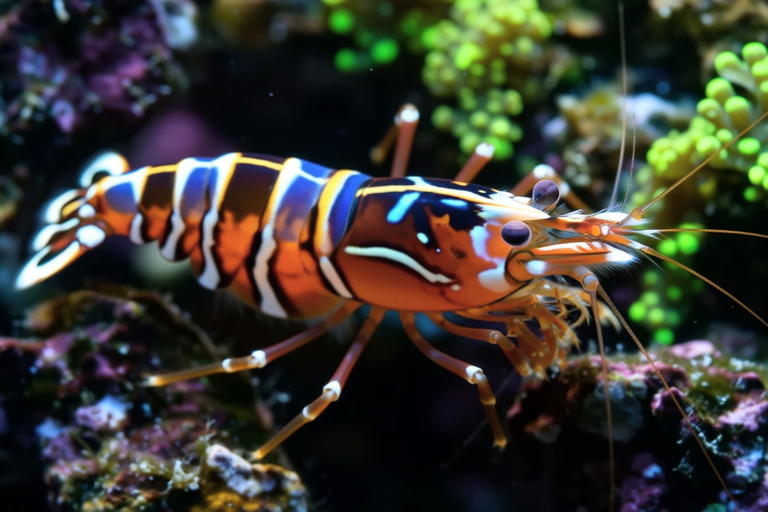
A Day in the Life of a Coral Shrimp: Uncovering Their Unique Behavior
Introduction
Coral shrimp, a fascinating group of marine crustaceans, play a crucial role in maintaining the delicate balance of coral reef ecosystems. These tiny creatures, often overlooked, are not only vital for the health of the reefs but also offer a window into the complex world beneath the waves. Found primarily in tropical and subtropical waters, coral shrimp are well-adapted to the vibrant and diverse habitats of coral reefs, where they thrive alongside countless other species.
With their bright colors and intriguing behaviors, coral shrimp have become a subject of interest for marine biologists and enthusiasts alike. Their unique characteristics make them an essential part of the marine ecosystem, contributing to the overall health and biodiversity of coral reefs. Understanding their daily routines and behaviors is key to appreciating the intricate web of life that exists within these underwater gardens.
Habitat and Importance in Marine Ecosystems
Coral shrimp inhabit the crevices and caves of coral reefs, creating homes among the nooks and crannies of coral structures. They are found in shallow waters, typically between 10 and 30 meters deep, where sunlight penetrates and sustains the photosynthetic organisms that form the base of the reef’s food chain. The coral reefs serve as nurseries, feeding grounds, and shelter for many marine species, making them one of the most biodiverse ecosystems on the planet.
These small crustaceans are significant contributors to the reef’s ecosystem. By cleaning algae and detritus from corals, they help maintain the health of the reef and promote coral growth. Additionally, coral shrimp are a food source for larger fish, helping to sustain the food web. Their presence is an indicator of a healthy reef, as their abundance correlates with the overall health of the ecosystem.
Daily Routines and Feeding Habits
The day of a coral shrimp begins early, as dawn brings light to the ocean depths. With the rising sun, the shrimp emerge from their hiding spots to begin their daily routine. As the primary consumers in their ecosystem, coral shrimp feed on a variety of microorganisms, including plankton, algae, and detritus. Their feeding habits are highly efficient, as they use their long, slender antennae to detect food particles in the water.
During the morning hours, coral shrimp are most active, as they search for food in the vicinity of their home. They employ a unique method of feeding known as ‘filter feeding,’ where they extend their legs into the water current, trapping food particles on specialized setae (bristles) along their appendages. This technique allows them to efficiently gather food without expending too much energy.
As the day progresses, coral shrimp may venture further from their homes in search of food. However, they remain close to the reef structure, as it provides both protection and a reliable source of nutrients. During this time, they also engage in cleaning activities, removing debris and harmful organisms from the corals. This behavior not only benefits the shrimp but also supports the health of the entire reef.
Social Behaviors and Interactions
Coral shrimp are generally solitary creatures, but they exhibit social behaviors that enhance their survival and reproductive success. While they tend to live alone, coral shrimp are not entirely antisocial. They can be found in groups during mating season, when males and females come together to reproduce. These gatherings are brief but crucial for the continuation of their species.
Communication among coral shrimp is subtle but effective. They rely on chemical signals, released through their gills, to communicate with potential mates or rivals. These chemical cues can indicate readiness to mate, territory boundaries, or even distress. In addition to chemical signals, coral shrimp may use visual displays or physical contact to convey information.
Despite their solitary nature, coral shrimp have developed symbiotic relationships with other marine species. For example, they often share their living spaces with small fish or other invertebrates, providing mutual protection from predators. These partnerships highlight the interconnectedness of life within the reef, where cooperation is as important as competition.
Unique Survival Strategies and Adaptations
Coral shrimp have evolved several remarkable adaptations that enable them to survive in their challenging environment. One of the most notable is their ability to change color, which helps them blend into their surroundings and avoid detection by predators. This camouflage is particularly useful during the day, when coral shrimp are more vulnerable to predation.
In addition to their color-changing abilities, coral shrimp have developed strong exoskeletons that provide protection against physical threats. Their hard shells are reinforced with calcium carbonate, making them resistant to damage from collisions with coral structures or attacks from predators. Furthermore, their sharp claws are not just for defense; they also aid in capturing prey and manipulating food particles.
Another unique adaptation is their nocturnal behavior. As the sun sets, coral shrimp retreat to their hiding places within the reef. Here, they rest and conserve energy for the next day’s activities. This pattern of activity, combined with their color-changing abilities, allows them to minimize exposure to predators while maximizing their efficiency in gathering food.
Insights into Marine Conservation
Understanding the daily lives and behaviors of coral shrimp offers valuable insights into the broader marine ecosystem. By studying these creatures, scientists can gain a better understanding of the health and stability of coral reefs. This knowledge is critical for developing effective conservation strategies aimed at protecting these fragile environments.
For instance, monitoring the population density and distribution of coral shrimp can serve as an early warning system for environmental changes. A decline in their numbers could indicate stress on the reef, such as pollution, overfishing, or climate change impacts. By tracking these indicators, conservationists can take proactive measures to address potential threats before they cause irreversible damage.
Moreover, the study of coral shrimp behaviors can inspire innovative solutions for marine conservation. Their unique adaptations and survival strategies may offer lessons for human-designed technologies aimed at preserving marine ecosystems. For example, the principles behind coral shrimp camouflage could be applied to develop new materials for underwater equipment, reducing the impact of human activities on sensitive marine environments.
In conclusion, the day in the life of a coral shrimp reveals a world of complexity and wonder beneath the waves. These small yet vital creatures play a significant role in the health and biodiversity of coral reefs. By delving into their behaviors and adaptations, we gain a deeper appreciation for the intricate web of life that exists within these underwater ecosystems. Understanding the unique challenges and opportunities faced by coral shrimp can inform and inspire efforts to protect marine environments, ensuring the survival of these precious ecosystems for future generations.
