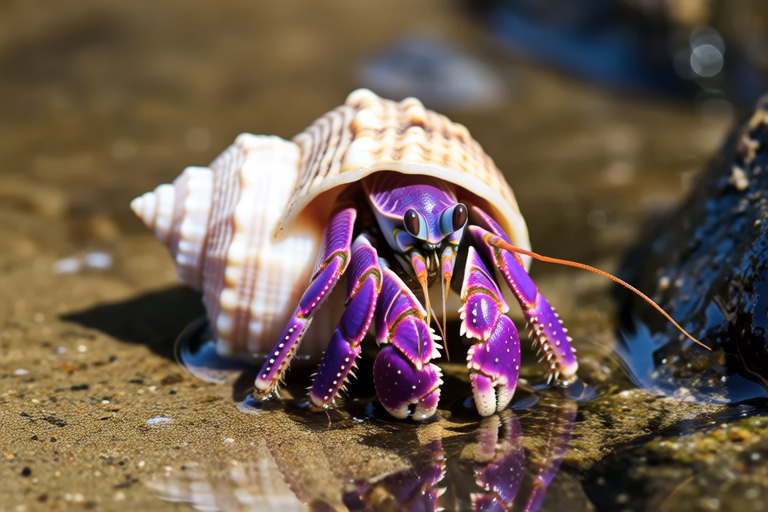
The Hidden World of Hermit Crabs: Discover Their Unique Behaviors
Hermit crabs are among the most fascinating creatures in the ocean, known for their peculiar living arrangements inside discarded mollusk shells. These crustaceans have adapted to live in borrowed homes, a strategy that has become central to their survival and evolution. This article delves into the hidden world of hermit crabs, exploring their unusual behaviors, natural habitats, and the challenges they face in their ecosystems.
Natural Habitats and Preferred Environments
Hermit crabs can be found in various aquatic environments, ranging from shallow coastal waters to deep-sea trenches. They prefer sandy or muddy substrates where they can easily find and move between shells. The availability of appropriate shells is crucial for hermit crabs, as they provide protection against predators and environmental hazards. In addition to their preference for certain types of shells, hermit crabs also favor areas with abundant food sources and minimal competition.
One of the most remarkable aspects of hermit crab behavior is their ability to adapt to different environments. Some species, like the Coenobita clypeatus, have even evolved to live on land, making them one of the few crustacean species capable of surviving outside water. These terrestrial hermit crabs retain their dependence on shells for protection but have developed additional adaptations to cope with life on land, such as modified gills that can extract oxygen from the air.
Challenges in Nature
Despite their adaptations, hermit crabs face numerous challenges in their natural habitats. One of the most significant threats comes from the loss of suitable shells due to human activities, such as beach clean-ups and the destruction of coastal ecosystems. Without adequate shelter, hermit crabs are more vulnerable to predators and environmental stressors. Additionally, pollution and climate change pose serious risks to their survival, affecting their habitats and food sources.
Another challenge for hermit crabs is the fierce competition for shells. As they grow, hermit crabs require larger shells to accommodate their expanding bodies. This creates a constant need for shell swapping, a process that can be dangerous and stressful for the crabs. During these exchanges, hermit crabs often engage in aggressive behaviors, competing for the best available shells. The scarcity of suitable shells can lead to increased mortality rates, especially among younger and smaller individuals.
Unique Behaviors
Hermit crabs exhibit a range of unique behaviors that have fascinated scientists and enthusiasts alike. One of the most intriguing aspects of their biology is the molting process, during which hermit crabs shed their exoskeletons to allow for growth. Prior to molting, hermit crabs may become reclusive and avoid social interactions, focusing instead on finding a safe place to undergo this vulnerable period. Once the old exoskeleton is shed, the new one takes time to harden, leaving the crab temporarily defenseless. During this time, they are particularly susceptible to predation, so they seek out secure locations to protect themselves.
Shell swapping is another fascinating behavior exhibited by hermit crabs. When a hermit crab outgrows its current shell, it must find a new one that fits perfectly. This process involves careful selection and testing of potential new homes, often leading to complex interactions with other hermit crabs. Sometimes, these interactions result in peaceful exchanges, where smaller hermit crabs relinquish their shells to larger ones. Other times, however, they can escalate into intense competitions, with crabs fighting over the best shells available.
Social interactions within hermit crab communities are also noteworthy. While hermit crabs are generally solitary creatures, they do form loose aggregations, particularly around feeding sites and favorable shell locations. These gatherings provide opportunities for cooperation and mutual support, especially during times of resource scarcity. For instance, hermit crabs have been observed sharing information about the location of good shells or working together to defend against predators. Such behaviors suggest a level of social intelligence that goes beyond mere survival instincts.
Dietary Habits and Adaptability
Hermit crabs are omnivorous, feeding on a wide variety of organic matter, including algae, decaying plant material, and small invertebrates. Their diet is highly adaptable, allowing them to thrive in diverse environments. However, changes in food availability can impact their populations, particularly in areas affected by human activities. Pollution, overfishing, and habitat destruction can alter the composition of marine ecosystems, reducing the abundance of suitable food sources for hermit crabs.
To compensate for fluctuations in food supply, hermit crabs have developed strategies that enhance their chances of survival. For example, some species have been observed scavenging for food in areas with higher levels of organic waste, while others have adapted to consume alternative food sources when necessary. This flexibility in their diet underscores the importance of maintaining healthy marine ecosystems, where hermit crabs can access a balanced and diverse range of nutrients.
Conservation Tips and Importance of Understanding Hermit Crabs
Understanding the unique behaviors and ecological roles of hermit crabs is essential for their conservation and the preservation of marine biodiversity. By raising awareness about the threats facing these creatures, we can take steps to protect their habitats and ensure their continued existence. Simple actions, such as reducing plastic waste and supporting sustainable fishing practices, can make a significant difference in safeguarding hermit crab populations.
Additionally, efforts to restore and preserve coastal ecosystems can help create healthier environments for hermit crabs and other marine organisms. Initiatives aimed at promoting sustainable tourism and responsible beach management can also contribute to the conservation of hermit crab habitats. By fostering a deeper appreciation for these fascinating creatures and their role in marine ecosystems, we can inspire greater commitment to their protection.
In conclusion, hermit crabs are remarkable animals with a wealth of interesting behaviors and adaptations. From their unusual living arrangements to their complex social interactions, these creatures offer valuable insights into the diversity of life in our oceans. By learning more about hermit crabs and the challenges they face, we can better understand the importance of protecting marine biodiversity and ensuring the health of our planet’s ecosystems.
