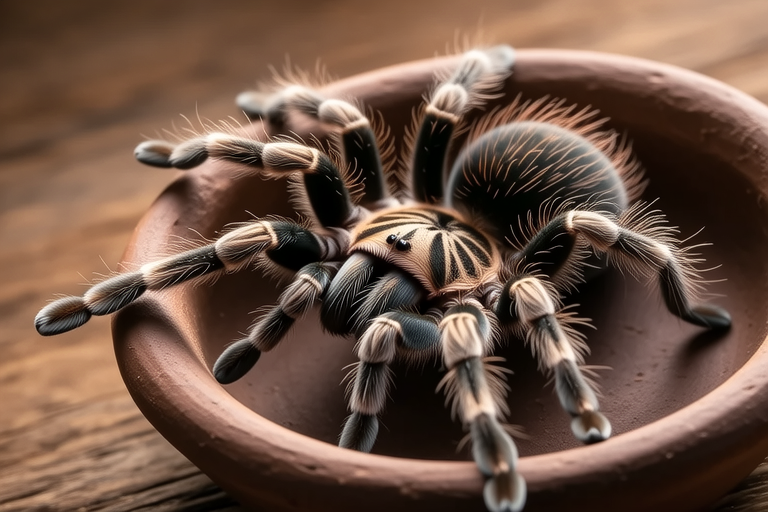
The Ultimate Guide to Handling and Caring for Your Spine-Chillingly Awesome Tarantula
Welcome to the world of spine-chillingly awesome tarantulas! These eight-legged wonders have captivated arachnophiles for centuries with their fascinating behaviors and unique characteristics. Whether you’re a novice or an experienced tarantula owner, this comprehensive guide will provide you with all the essential information you need to ensure your pet tarantula lives a long, healthy, and happy life.
Species Overview: A World of Diversity
Tarantulas belong to the family Theraphosidae, comprising over 900 species distributed across various continents. Each species has distinct traits, making them suitable for different types of keepers. For instance, Brazilian Giant Yellow Legs (Pachytelmata) and Mexican Red Rump (Brachypelma vagans) are popular choices for beginners due to their docile nature and manageable size. On the other hand, species like the Chilean Rose (Grammostola rosea) are ideal for those seeking a more vibrant coloration.
Suitable Habitats: Creating a Comfortable Home
A well-designed habitat is crucial for your tarantula’s well-being. The enclosure should be spacious enough to allow free movement, typically ranging from 5 gallons for small species to 10 gallons for larger ones. Ensure that the substrate is at least three times the depth of your tarantula’s leg span to facilitate burrowing behavior. Suitable substrates include coconut fiber, peat moss, and bark chips. Maintain humidity levels between 60% and 80%, which can be achieved by misting the enclosure daily or providing a water dish.
Dietary Needs: Feeding Your Tarantula Properly
Your tarantula’s diet primarily consists of live insects such as crickets, mealworms, and dubia roaches. Feed juveniles once every few days, while adults can be fed weekly. It’s important to gut-load feeder insects with nutritious foods before offering them to your tarantula. This practice ensures that your pet receives adequate vitamins and minerals. Additionally, avoid overfeeding, as excess food can lead to obesity and related health issues.
Handling Techniques: Safely Interacting with Your Tarantula
Proper handling techniques are vital for both your safety and your tarantula’s well-being. Always wash your hands before and after handling to prevent the transfer of harmful bacteria. Gently place one hand on the front of your tarantula and support its abdomen with the other hand. Move slowly and avoid sudden movements that may startle your pet. Remember, tarantulas are not pets to be handled frequently; they prefer to stay in their enclosures where they feel secure.
Health Care Tips: Keeping Your Tarantula Healthy
Regular monitoring of your tarantula’s behavior and appearance can help detect potential health issues early. Look out for signs such as lethargy, refusal to eat, or unusual shedding patterns. If you notice any concerning symptoms, consult a veterinarian specializing in exotic animals. Maintaining optimal environmental conditions, including temperature, humidity, and cleanliness, is also crucial for preventing illnesses.
Common Myths Debunked: Separating Fact from Fiction
- Myth: Tarantulas are aggressive and dangerous. While some species can deliver painful bites, most tarantulas are quite docile and pose little threat to humans. Their primary defense mechanism involves releasing hairs from their abdomen, which can cause irritation if they come into contact with skin or eyes.
- Myth: Tarantulas require frequent feeding. Overfeeding can lead to obesity and other health problems. It’s better to underfeed than overfeed, ensuring your tarantula maintains a healthy weight.
- Myth: Tarantulas don’t need water. Although tarantulas obtain much of their moisture from their prey, providing a shallow water dish can help maintain appropriate humidity levels within the enclosure.
Personal Insights: Enriching Your Tarantula Ownership Experience
Owning a tarantula can be a rewarding experience filled with moments of discovery and connection. Take time to observe your tarantula’s natural behaviors, such as hunting, molting, and burrowing. Document these milestones through photography or journaling to create lasting memories. Participate in online communities or local reptile expos to connect with fellow enthusiasts and learn new tips and tricks.
In conclusion, caring for a tarantula requires dedication, patience, and knowledge. By understanding their specific needs and providing a nurturing environment, you can enjoy a fulfilling relationship with these incredible creatures. Remember, every tarantula is unique, so take the time to get to know your pet’s individual preferences and quirks. Happy tarantula keeping!
