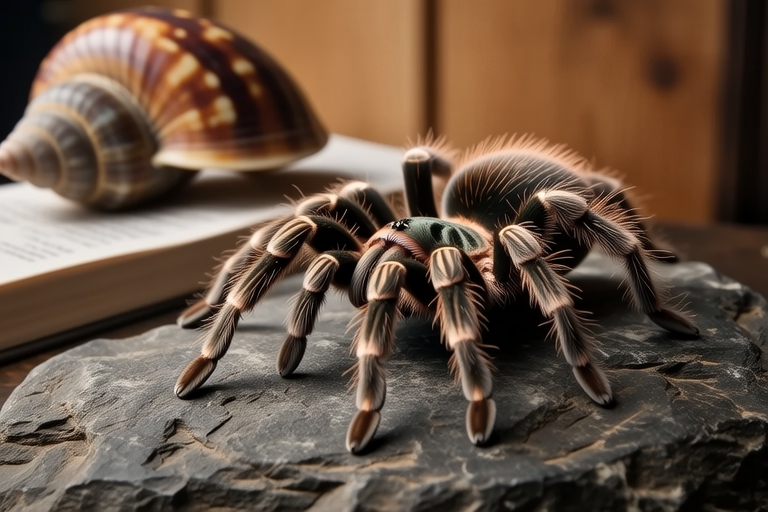
8 Surprising Facts About Tarantulas That Will Make You Reconsider Spider Phobia
Welcome to an enlightening journey into the world of tarantulas! These creatures have long been shrouded in mystery and fear, often portrayed as terrifying monsters in movies and books. But what if I told you that tarantulas are actually fascinating, misunderstood animals? This article will present you with 8 surprising facts about tarantulas that might just change your perspective. Are you ready to challenge your preconceived notions about these eight-legged wonders?
Fact 1: Tarantulas Aren’t as Venomous as You Think
One of the most common fears associated with tarantulas is their venom. Many people assume that tarantula bites are extremely dangerous. However, the truth is quite different. While tarantulas do possess venom, it’s generally mild and comparable to that of a bee sting. Their venom is primarily used for subduing prey, not self-defense. In fact, most tarantula species prefer to avoid confrontation and will only bite as a last resort. Have you ever wondered why tarantulas don’t attack humans more often?
Fact 2: Tarantulas Can Regrow Lost Limbs
Tarantulas are incredibly resilient creatures. Did you know they can regrow lost limbs? This remarkable ability, known as autotomy, allows them to shed a leg or two in response to threats. Once the limb is lost, the tarantula can regenerate it during its next molt. This adaptation is particularly useful for survival in the wild, where encounters with predators are common. Isn’t it amazing how nature equips these creatures with such survival mechanisms?
Fact 3: Tarantulas Aren’t Always Hairy
The term ‘tarantula’ might conjure images of hairy, furry spiders, but this isn’t always the case. While many tarantula species do have hair-like structures called setae, some are relatively hairless. For instance, the Brazilian salmon pink tarantula has sparse hairs, making it appear less intimidating. Additionally, certain tarantulas have urticating hairs, which they use as a defense mechanism. These hairs can cause irritation to potential predators when released. Do you think tarantulas with fewer hairs are less scary?
Fact 4: Tarantulas Have a Diverse Diet
Contrary to popular belief, tarantulas aren’t just meat-eaters. They have a diverse diet that includes insects, small vertebrates, and even plant matter. Some tarantula species have been observed consuming nectar from flowers, showing that they can adapt their diet based on availability. This flexibility in feeding habits is essential for survival in various environments. How would you feel knowing that tarantulas can be vegetarians at times?
Fact 5: Tarantulas Don’t Weave Orb Spiders
Many people associate spiders with intricate orb webs. However, tarantulas don’t weave these elaborate structures. Instead, they construct simple funnel-shaped burrows or sheet webs near their hiding spots. These webs serve as both shelter and traps for unsuspecting prey. The lack of complex webs is one reason why tarantulas are often found on the ground rather than hanging from ceilings. Have you ever wondered why tarantulas don’t spin the same kind of webs as other spiders?
Fact 6: Tarantulas Communicate Through Vibrations
Tarantulas have developed unique ways of communicating, and vibrations play a significant role in their interactions. They use their legs to sense vibrations in the ground, which helps them detect approaching prey or potential mates. This form of communication is especially important for nocturnal tarantulas, as it allows them to navigate and interact effectively in low-light conditions. Imagine being able to sense the world through vibrations – wouldn’t that be an incredible superpower?
Fact 7: Tarantulas Make Excellent Pets
If you’re still not convinced about the friendliness of tarantulas, consider this: they make excellent pets for experienced keepers. With proper care and attention, tarantulas can live for up to 20 years in captivity. They require minimal maintenance and can be fascinating to observe. Many enthusiasts enjoy watching their tarantulas molt and grow. Could keeping a tarantula as a pet help you overcome your fear of spiders?
Fact 8: Tarantulas Play a Crucial Role in Ecosystems
Finally, let’s not forget the vital role tarantulas play in maintaining ecological balance. As apex predators in many ecosystems, they help control insect populations, preventing overpopulation and subsequent damage to crops and habitats. By preying on harmful pests, tarantulas contribute significantly to agricultural productivity. Moreover, their burrows provide shelter for smaller animals and improve soil quality. Who knew that tarantulas were so beneficial to our environment?
In conclusion, tarantulas are far more than the terrifying creatures depicted in popular culture. They are complex, adaptable, and integral to the ecosystems they inhabit. By understanding their behaviors, habitats, and roles, we can appreciate these fascinating arachnids for what they truly are – remarkable survivors. So, the next time you encounter a tarantula, take a moment to admire its resilience and wonder at the beauty of nature. Will you still feel the same way about tarantulas after learning all this?
