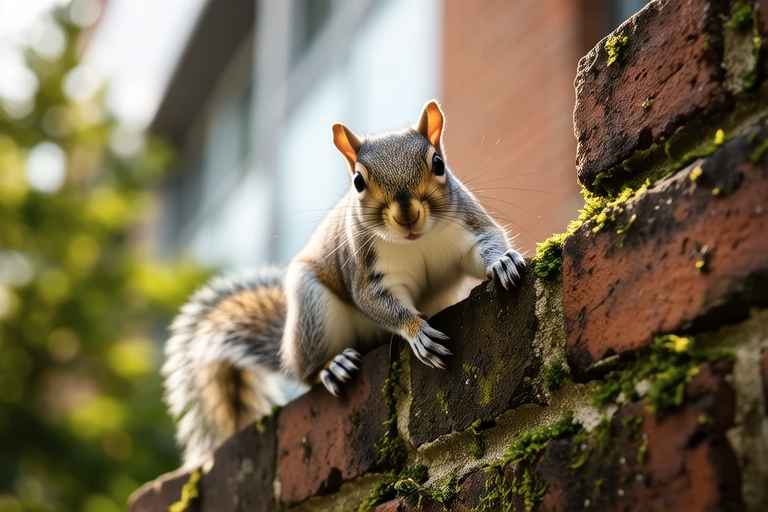
Urban Squirrels: Surviving and Thriving in the City
Urban squirrels have become an integral part of city life, adapting to human environments in remarkable ways. Their presence enriches urban ecosystems, offering a window into the intricate relationships between wildlife and human communities. This article explores the behaviors, habitats, and challenges faced by urban squirrels, their role in urban ecosystems, and the unique dynamics between squirrels and city dwellers.
Habitats and Behaviors
In cities, squirrels inhabit parks, gardens, and public spaces where trees provide shelter and nesting sites. They are highly adaptable, finding food in unexpected places like bird feeders, garbage cans, and even recycling bins. Their natural curiosity often leads them to explore new areas, making them frequent visitors to backyards and patios. Despite their small size, urban squirrels are formidable scavengers, capable of opening jars and containers to access food.
Squirrels are diurnal animals, meaning they are most active during daylight hours. Their daily routines include foraging for food, grooming, and playing. They are excellent climbers and jumpers, using their strong hind legs and bushy tails for balance. In colder months, squirrels prepare for winter by storing nuts and seeds in caches, a behavior known as scatter hoarding. These caches can be hidden in various locations, sometimes even within human structures.
Diet and Breeding Habits
The diet of urban squirrels primarily consists of nuts, seeds, fruits, and occasionally insects. They are opportunistic feeders, taking advantage of whatever food sources are available. Studies have shown that squirrels can remember the location of thousands of cached items, a testament to their exceptional spatial memory. In addition to natural foods, squirrels have adapted to consuming human-provided snacks like bread, crackers, and peanuts. However, feeding squirrels can lead to health issues if they consume too many processed foods.
Breeding season for urban squirrels typically occurs twice a year, once in late winter and again in midsummer. Females give birth to litters of two to six pups after a gestation period of about four weeks. The young are born blind and hairless but develop quickly. By the time they are weaned at around two months old, they are ready to venture out on their own. Urban environments offer ample nesting opportunities, from tree hollows to attics and chimneys.
Communication Methods
Urban squirrels communicate through vocalizations, body language, and scent marking. They produce a variety of sounds, including chirps, barks, and screeches, which serve different purposes such as warning others of danger or signaling mating readiness. Body language, such as tail flicking and posturing, is used to convey aggression or submission. Scent marking, achieved by rubbing glands against objects, helps establish territory boundaries and attract mates.
Challenges Faced by Urban Squirrels
Despite their adaptability, urban squirrels face numerous challenges in city environments. Predation by domestic cats, dogs, and birds of prey remains a significant threat. Traffic accidents are another common cause of mortality, especially in areas with high vehicle density. Additionally, urban development can disrupt squirrel habitats, forcing them to relocate and compete for resources. Climate change also poses a threat, altering weather patterns and affecting food availability.
The Role of Urban Squirrels in Ecosystems
Urban squirrels play a crucial role in maintaining urban ecosystems by dispersing seeds and controlling insect populations. They help maintain biodiversity by creating niches for other species and promoting forest regeneration. Squirrels’ seed-caching behavior contributes to the distribution of plants across urban landscapes, potentially aiding in reforestation efforts. Moreover, their presence can enhance the aesthetic appeal of urban green spaces, attracting tourists and contributing to local economies.
Adaptation to Human Presence
Urban squirrels have demonstrated remarkable adaptability to human presence, learning to exploit new food sources and navigate complex environments. They have developed a tolerance for human activities, often becoming accustomed to the sights and sounds of city life. Some squirrels have even learned to open jar lids or retrieve food from bird feeders, showcasing their problem-solving abilities. Their ability to thrive in close proximity to humans has earned them a reputation as intelligent and resourceful creatures.
Conservation Efforts
Efforts to conserve urban squirrel populations focus on preserving green spaces, reducing pesticide use, and promoting sustainable urban planning. Public education campaigns aim to raise awareness about the importance of protecting squirrels and their habitats. Local governments and environmental organizations collaborate to create safe corridors for wildlife movement and reduce conflicts between squirrels and humans. Innovative solutions, such as squirrel-proof trash cans and bird feeders, help minimize human-wildlife interactions while ensuring both parties’ safety.
Coexisting Harmoniously with Urban Squirrels
To coexist harmoniously with urban squirrels, it’s essential to respect their space and avoid feeding them processed foods. Providing natural food sources, like birdseed and nuts, can support their diet without causing harm. Keeping pet cats indoors and securing trash cans can reduce predation and prevent scavenging. Creating squirrel-friendly habitats, such as birdhouses and nesting boxes, encourages positive interactions and promotes biodiversity. Encouraging community involvement in conservation initiatives fosters a shared responsibility for protecting urban wildlife.
Anecdotes and Studies
One notable study observed a group of squirrels in a university campus, where they had learned to use traffic signals to cross busy streets safely. Another anecdote tells of a squirrel that repeatedly visited a student’s dorm room, seeking treats and companionship. These stories highlight the intelligence and adaptability of urban squirrels, demonstrating their ability to form bonds with humans and navigate complex urban environments. Researchers continue to explore the cognitive abilities of squirrels, uncovering new insights into their problem-solving skills and social behaviors.
Conclusion
Urban squirrels are fascinating creatures that have successfully adapted to city life, playing vital roles in urban ecosystems. Their intelligence, adaptability, and resourcefulness make them valuable members of our communities. By understanding and respecting their needs, we can foster harmonious coexistence and ensure the well-being of these remarkable animals. Through conservation efforts and responsible urban planning, we can create environments where both humans and wildlife thrive together.
