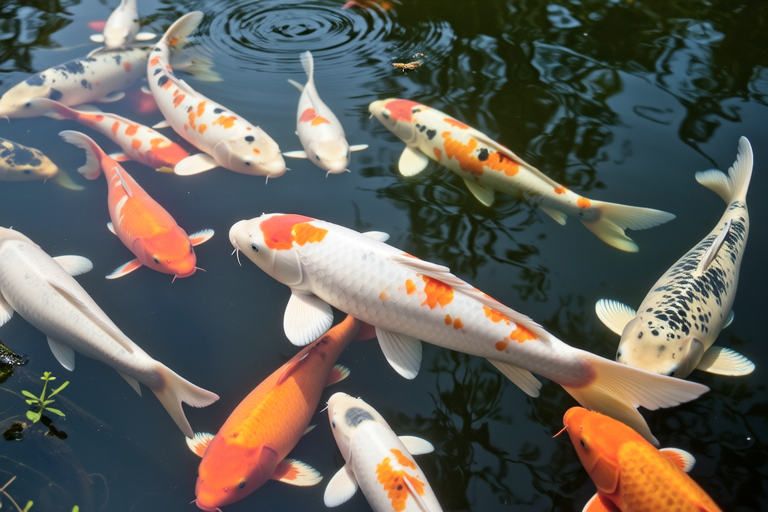
The Ultimate Guide to Raising Healthy Koi: Tips for Every Aquarist
Keeping koi can be a rewarding experience, but it requires careful attention to detail to ensure they remain healthy and vibrant. This guide provides essential information on setting up your pond, maintaining water quality, feeding your koi, preventing common health issues, and seasonal care tips. Additionally, we will discuss how to choose the right koi species for your pond.
Optimal Pond Setup
Creating the ideal environment for your koi starts with setting up a properly designed pond. The size of the pond is crucial; it should be large enough to accommodate the number of koi you plan to keep comfortably. A general rule of thumb is to allow at least 1,000 gallons of water per adult koi. Depth is also important, as deeper ponds provide better protection against temperature fluctuations and predators.
Proper filtration is key to maintaining clean water in your pond. Mechanical filters remove debris, while biological filters help break down harmful ammonia and nitrite. UV sterilizers can further improve water clarity by killing bacteria and algae. Ensure that the filtration system is adequate for the volume of water in your pond and that it includes both mechanical and biological components.
In addition to filtration, oxygenation is vital for koi health. Incorporate features like waterfalls or fountains into your pond design to increase surface agitation and enhance oxygen levels. Oxygen-rich environments promote better digestion and overall well-being for your fish.
Water Quality Maintenance
Maintaining good water quality is paramount for raising healthy koi. Regularly test the pH, ammonia, nitrite, and nitrate levels of your pond water using reliable test kits. Ideal pH ranges between 7.0 and 8.5, with lower readings indicating acidic conditions that may stress fish. Ammonia should always read zero, as even small amounts can be toxic to koi. Nitrites should similarly be undetectable, while nitrates should remain below 50 ppm.
To maintain these parameters, perform routine water changes. Aim for about 10% weekly during warmer months when biological activity increases. In cooler periods, less frequent changes (monthly) might suffice unless signs of poor water quality appear.
Aeration devices such as air pumps or waterfalls also play a significant role in sustaining healthy water conditions by increasing dissolved oxygen levels and reducing harmful gases like carbon dioxide. These devices help create an environment where beneficial bacteria thrive, which aids in breaking down waste products more efficiently.
Suitable Diet for Koi
Feeding koi correctly ensures their growth, coloration, and longevity. High-quality commercial foods formulated specifically for koi are recommended because they offer balanced nutrition tailored to these fish’s needs. Look for pellets containing protein sources such as fish meal, soybean meal, and wheat germ along with vitamins and minerals necessary for proper development.
Dietary requirements vary depending on the season. During spring and summer when temperatures range from 60°F to 85°F (15°C to 29°C), feed high-protein diets rich in carbohydrates to support rapid growth. As winter approaches and temperatures drop below 50°F (10°C), reduce feeding frequency and switch to low-protein foods since metabolism slows down significantly under colder conditions.
Overfeeding can lead to excess waste production, negatively impacting water quality. Feed only what your koi can consume within five minutes twice daily, adjusting portions according to weather changes.
Common Health Issues and Prevention Methods
Despite best efforts, koi may still encounter various ailments. Understanding common problems and implementing preventive measures can minimize risks.
- Fungal infections: Characterized by cotton-like growths on fins or bodies, often result from physical injuries or poor water quality. Maintaining pristine aquatic conditions helps prevent fungal outbreaks.
- Bacterial diseases: Symptoms include redness, ulcers, or fin rot. Strengthening immune systems through proper nutrition and avoiding overcrowding reduces susceptibility.
- Parasitic infestations: Flukes, anchor worms, and other parasites attach themselves to fish externally causing irritation. Quarantine new additions before introducing them into main ponds to avoid spreading parasites.
Regular monitoring of your koi’s behavior and appearance allows early detection of potential issues. If symptoms persist despite corrective actions, consult a veterinarian specializing in aquatic animals for diagnosis and treatment options.
Seasonal Care Tips
Adapting care routines based on changing seasons ensures continued wellbeing throughout different times of year.
- Spring: Perform thorough cleaning of filters and equipment after winter hibernation. Gradually increase feeding as water warms up, starting with small amounts initially then gradually increasing.
- Summer: Monitor water temperature closely since extreme heat can cause stress. Provide shade areas within the pond to give fish respite from direct sunlight.
- Fall: Prepare for colder temperatures by reducing feeding quantities as metabolism decreases. Introduce supplementary heating if necessary to maintain stable water temperatures.
- Winter: Minimize disturbances to sleeping patterns by refraining from feeding entirely once temperatures consistently fall below 50°F (10°C). Install heaters if required to keep ice-free zones available for gas exchange.
Choosing the Right Koi Species
Selecting appropriate koi varieties depends on personal preferences regarding appearance, temperament, and space availability. Some popular types include:
- Platinum Ogon: Known for its stunning metallic silver scales, this variety is highly sought after among enthusiasts.
- Sanke: Featuring three colors – red, white, and black – sanke koi display intricate patterns making them visually striking additions to any collection.
- Ginrin: Distinctive due to their shiny scales resembling gold dust scattered across their bodies, ginrin koi add a touch of elegance to ponds.
When purchasing new koi, always buy from reputable breeders who prioritize genetic diversity and ethical practices. Consider factors such as age, size compatibility within groups, and overall health status before finalizing purchases.
Raising healthy koi involves understanding their specific needs and creating an environment conducive to thriving. By following the guidelines outlined above, aquarists can enjoy beautiful, vibrant fish while fostering long-term relationships built upon mutual respect and care.
