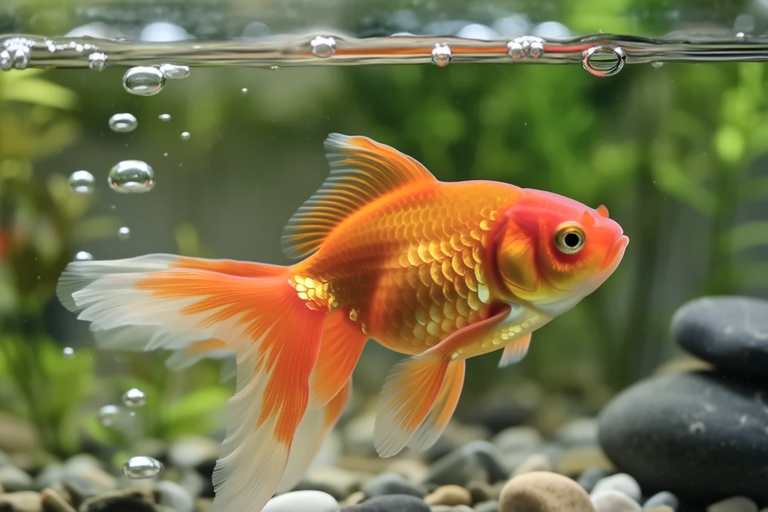
Top 10 Secrets to Keeping Your Goldfish Happy and Healthy
Goldfish are one of the most popular choices for aquarium hobbyists due to their vibrant colors and relatively easy care. However, keeping your goldfish happy and healthy requires more than just a bowl and some fish food. This comprehensive guide outlines the top 10 secrets to ensuring your goldfish thrive in their aquatic environment.
1. Proper Tank Size
The first secret to a thriving goldfish is providing them with ample space. Contrary to popular belief, goldfish require much more room than a simple bowl can offer. The general rule of thumb is one gallon of water per inch of fish. For instance, a single goldfish should be housed in at least a 20-gallon tank. Larger tanks provide better water circulation, reduce waste concentration, and allow for more natural swimming patterns.
2. Water Quality Maintenance
Maintaining high water quality is crucial for the health of your goldfish. Regularly test the water parameters such as ammonia, nitrite, and pH levels. Ammonia and nitrite should always read zero, while the pH should ideally be between 6.8 and 7.4. A well-maintained filter system will help keep these levels in check. Filters not only remove physical debris but also break down harmful chemicals through biological filtration.
3. Suitable Temperature Range
Goldfish are cold-water fish and prefer temperatures ranging from 68°F to 74°F (20°C to 23°C). Avoid exposing them to extreme temperatures, as this can stress them out and weaken their immune systems, making them susceptible to diseases. Use a reliable aquarium heater if necessary to maintain stable temperatures, especially during colder months.
4. Appropriate Feeding Habits
Feeding your goldfish properly is essential for their health and longevity. Goldfish have small stomachs but can eat several times a day. Feed them a variety of foods including pellets, flakes, and occasional treats like brine shrimp or daphnia. Overfeeding can lead to poor water quality and obesity, so it’s important to feed them only what they can consume within two minutes. Remove any uneaten food promptly to prevent contamination.
5. Importance of Regular Water Changes
Regular water changes are vital for maintaining a clean and healthy environment for your goldfish. Aim to change about 25% of the water weekly. When performing water changes, use a gravel vacuum to clean the substrate and remove any accumulated waste. Always treat tap water with a dechlorinator before adding it to the tank to neutralize harmful chlorine and chloramines present in municipal water supplies.
6. Beneficial Tank Decorations
Adding the right kind of decorations to your goldfish tank can enhance both their living conditions and your viewing pleasure. Provide hiding spots and caves where they can retreat when feeling stressed or threatened. Plants, whether live or artificial, offer additional benefits by producing oxygen and absorbing toxins. Be cautious with decorations that have sharp edges or can trap fish, potentially causing injury.
7. Compatibility with Other Fish
While many people opt to house multiple fish together, it’s important to understand which species coexist peacefully with goldfish. Goldfish are generally peaceful but may outcompete smaller or slower-moving fish for food. Opt for similar-sized fish that share similar environmental needs, such as danios or white clouds. Avoid aggressive or territorial fish like bettas or guppies.
8. Signs of a Healthy Goldfish
A healthy goldfish exhibits certain behaviors and physical characteristics. They should be active swimmers, eating regularly, and displaying vibrant colors. Their fins should be fully extended without any tears or discoloration. Additionally, their eyes should be clear and free from cloudiness. If you notice any unusual behavior or physical changes, it could indicate underlying health issues requiring immediate attention.
9. Common Diseases to Watch For
Even with the best care, goldfish can sometimes fall ill. Some common diseases include fin rot, ich (Ichthyophthirius multifiliis), and dropsy. Fin rot presents as frayed or discolored fins, while ich manifests as tiny white spots on the body and fins. Dropsy causes bloating and protruding scales. Early detection and treatment are key to preventing these conditions from worsening. Quarantine new additions to the tank for several weeks before introducing them to ensure they aren’t carrying any diseases.
10. The Role of Lighting in Their Environment
Proper lighting not only enhances the aesthetic appeal of your aquarium but also supports the overall health of your goldfish. Natural sunlight or full-spectrum LED lights can promote plant growth if you have live plants in your tank. It’s recommended to provide approximately 8-12 hours of light per day to mimic a natural diurnal cycle. Avoid overly bright or intense lighting as it can cause stress and contribute to algae overgrowth.
In conclusion, keeping your goldfish happy and healthy involves understanding their specific needs regarding space, water quality, diet, and companionship. By following these top 10 secrets, you’ll create an optimal environment where your goldfish can flourish and enjoy a long, healthy life. Remember, every fish is unique, so observe their behavior closely and adjust care practices accordingly.
