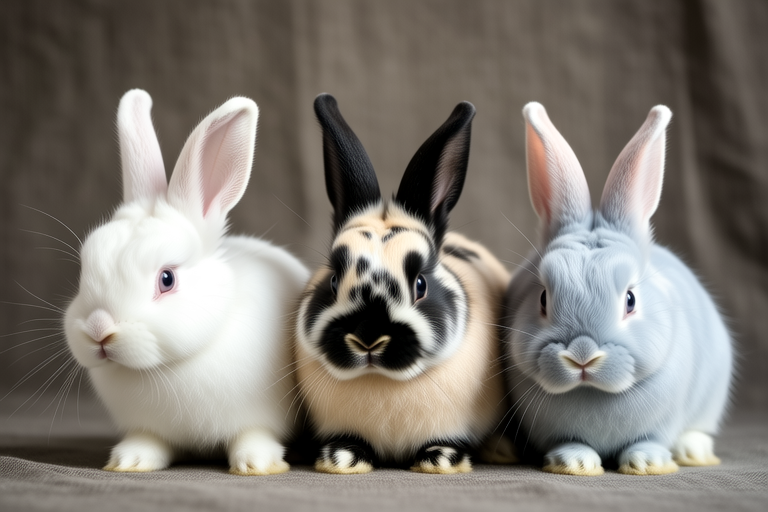
Adorable Lop Rabbits: The Ultimate Pet for Every Home
When it comes to choosing the perfect pet, many people overlook one of the most charming and affectionate creatures: the lop rabbit. With their large, floppy ears and gentle demeanor, these bunnies have captured the hearts of pet lovers around the world. In this article, we will explore why lop rabbits make ideal pets, covering their temperament, grooming needs, space requirements, dietary considerations, and health care. We’ll also highlight their suitability for different living environments and provide tips for choosing the right lop rabbit breed, advice on training, and common challenges new owners might face.
The Perfect Temperament for Any Home
Lop rabbits are known for their calm and friendly disposition, making them excellent companions for families and individuals alike. Their gentle nature means they are unlikely to bite or scratch, even when startled. This makes them a safer option for homes with children or other pets. Lop rabbits are also incredibly affectionate, often seeking out human interaction and cuddles. They enjoy being petted and can even develop strong bonds with their owners.
Grooming Needs
One of the joys of owning a lop rabbit is their relatively low maintenance grooming needs. Unlike some breeds, lop rabbits do not require frequent baths. Regular brushing is sufficient to keep their coats healthy and free from tangles. Owners should aim to brush their rabbit at least once a week, paying special attention to any areas where fur may be prone to matting. Additionally, regular nail trimming is necessary to prevent overgrowth and discomfort.
Space Requirements
Lop rabbits are adaptable animals that can thrive in various living environments. Whether you live in an apartment or a house with a yard, there’s a lop rabbit breed suitable for your home. Indoor housing is essential to protect your rabbit from predators and extreme weather conditions. A spacious hutch or cage should provide ample room for your rabbit to move around comfortably. For outdoor enclosures, ensure they are secure and predator-proof.
Dietary Considerations
A balanced diet is crucial for maintaining the health of your lop rabbit. The primary component of their diet should be hay, which provides essential fiber and aids in digestion. Fresh vegetables and fruits can be offered in moderation as treats. Pellets formulated specifically for rabbits should also be part of their daily intake, but in smaller quantities. It’s important to avoid feeding your rabbit foods high in sugar or fat, as these can lead to obesity and other health issues.
Health Care
Regular veterinary check-ups are vital for keeping your lop rabbit healthy. Common health issues include dental problems, respiratory infections, and gastrointestinal disorders. Providing a proper diet and clean living environment can help prevent many of these conditions. Vaccinations against common diseases such as myxomatosis and viral hemorrhagic disease (VHD) are also recommended. Additionally, spaying or neutering your rabbit can reduce the risk of certain cancers and behavioral issues.
Suitability for Different Living Environments
Lop rabbits can adapt well to both indoor and outdoor living arrangements. For those living in apartments, a spacious hutch or cage with plenty of toys and bedding material will suffice. Daily exercise time outside the enclosure is also important for mental stimulation and physical activity. Households with yards offer more freedom for rabbits to explore and play. However, it’s essential to supervise outdoor activities to ensure safety.
Tips for Choosing the Right Lop Rabbit Breed
There are several breeds of lop rabbits, each with its unique characteristics. Some popular options include:
- English Lops: Known for their exceptionally long ears, these rabbits are larger and more suited for experienced owners.
- French Lops: A medium-sized breed with shorter ears than English Lops, French Lops are friendly and easy to handle.
- Dutch Lops: The smallest of the lop breeds, Dutch Lops are compact and ideal for small spaces.
When selecting a lop rabbit, consider factors such as size, temperament, and compatibility with your lifestyle. Visiting local shelters or breeders can help you find the perfect match for your family.
Training Your Lop Rabbit
Training lop rabbits can be both fun and rewarding. Basic commands like coming when called or using a litter box can be taught through positive reinforcement techniques. Patience and consistency are key, offering treats and praise as rewards for good behavior. Teaching your rabbit to come when called can enhance safety during outdoor playtime, while litter box training helps maintain cleanliness inside the home.
Common Challenges New Owners Might Face
New rabbit owners may encounter challenges such as adjusting to their pet’s nocturnal habits or dealing with destructive chewing behaviors. Providing adequate mental and physical stimulation, along with appropriate chew toys, can help alleviate these issues. It’s also important to establish clear boundaries and routines early on to ensure a harmonious relationship between you and your lop rabbit.
The Affectionate Nature and Interactive Qualities of Lop Rabbits
One of the most endearing qualities of lop rabbits is their affectionate nature. They enjoy spending time with their owners and often seek out attention. Interactive play sessions, such as hide-and-seek games or puzzle toys, can strengthen the bond between you and your furry friend. Lop rabbits are intelligent animals capable of learning tricks and responding to simple commands. Engaging in these activities not only provides mental stimulation but also fosters a deeper connection with your pet.
In conclusion, lop rabbits are truly the ultimate pet for every home. Their gentle temperament, low-maintenance grooming needs, adaptability to different living environments, and interactive qualities make them an excellent choice for families and individuals alike. By providing proper care, training, and attention, you can ensure a happy and healthy life for your beloved lop rabbit companion.
