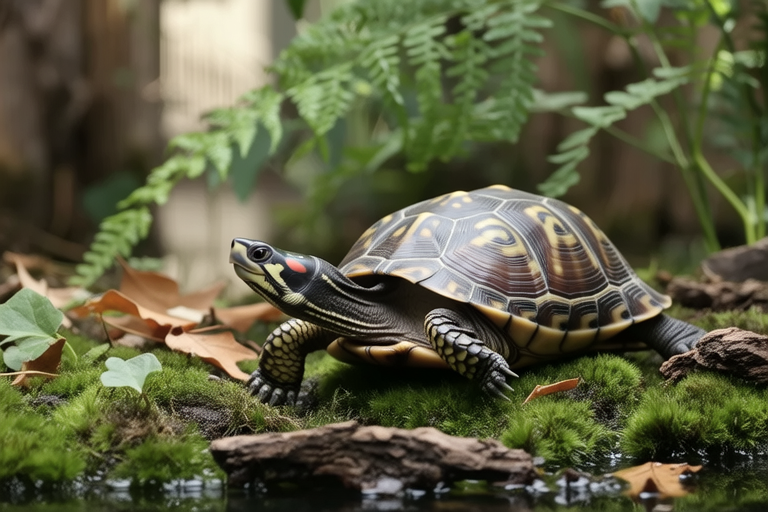
From Swamp to Home: How to Set Up an Ideal Habitat for Your Three-Striped Box Turtle
The three-striped box turtle (cuora trifasciata) is a captivating reptile native to Southeast Asia, particularly Thailand, Myanmar, and southern China. These turtles are named for the three yellow stripes that run along each side of their head. Their natural habitat consists of swamps, marshes, and humid forests. Providing them with a suitable living environment at home is crucial for their health and happiness. This guide will walk you through setting up an ideal habitat for your three-striped box turtle, covering everything from substrate choices to dietary considerations.
Natural Habitat of Three-Striped Box Turtles
In their native habitats, three-striped box turtles thrive in warm, moist environments. They spend much of their time in shallow water or under leaf litter, where they can retreat during hot or dry periods. Understanding these conditions is key to replicating their natural environment at home. The swampy areas they inhabit provide ample cover and food sources, including insects, worms, and plant matter. Mimicking these conditions helps ensure your turtle remains healthy and active.
Essential Elements for Their Enclosure Setup
Creating a proper enclosure for your three-striped box turtle involves several key components:
- Size: A minimum of 4 feet by 2 feet by 2 feet (120 cm x 60 cm x 60 cm) is recommended for one adult turtle. Larger enclosures are better, especially if you plan to house multiple turtles.
- Cover: Provide hiding spots such as caves or artificial plants to mimic their natural shelter.
- Water Area: Include a large water dish that allows the turtle to submerge completely. Ensure the water is clean and changed regularly.
- Basking Area: Place a heated basking spot on one end of the enclosure, ensuring it’s easy for the turtle to access.
Temperature and Humidity Requirements
Maintaining appropriate temperatures and humidity levels is vital for your turtle’s health. Three-striped box turtles require a warm, humid environment similar to their natural swampy habitats.
Temperatures:
- Daytime Ambient Temperature: 75-85°F (24-29°C)
- Nighttime Ambient Temperature: 70-75°F (21-24°C)
- Basking Spot: 85-90°F (29-32°C)
Humidity:
Keep the humidity level between 60% and 80%. This can be achieved by misting the enclosure daily and providing a water dish. Proper humidity ensures the turtle remains hydrated and prevents respiratory issues.
Suitable Substrates
Selecting the right substrate is important for your turtle’s comfort and safety. Avoid using gravel or sand, as these can cause impaction if ingested. Instead, opt for:
- Reptile Carpet: Easy to clean and safe for your turtle.
- Cypress Mulch: Retains moisture and provides a natural look.
- Eco-Substrate: Made from recycled paper and designed specifically for reptiles.
Avoid substrates that retain too much moisture, as this can lead to mold growth and respiratory problems.
Lighting Needs
Proper lighting is essential for your turtle’s overall health. UVB lighting is particularly important for calcium absorption and preventing metabolic bone disease. Install a full-spectrum UVB light over the basking area, and ensure it is positioned within 12 inches (30 cm) of the turtle’s basking spot. Replace the bulb every six months to maintain its effectiveness. Additionally, provide a heat lamp to maintain the desired basking temperature.
Dietary Considerations
Three-striped box turtles are omnivorous, meaning they eat both plant and animal matter. A balanced diet includes:
- Protein Sources: Insects like crickets, mealworms, and earthworms.
- Vegetables: Leafy greens such as romaine lettuce, dandelion greens, and collard greens.
- Fruits: Small amounts of fruits like strawberries, blueberries, and melon.
- Calcium Supplement: Dust their food with a calcium supplement twice weekly.
Vary their diet to ensure they receive all necessary nutrients. Feed them every other day, and remove any uneaten food to prevent contamination.
Tips for Maintaining a Healthy Environment
Regular maintenance is crucial for keeping your turtle’s enclosure clean and healthy. Here are some tips:
- Cleaning: Clean the enclosure and water dish weekly. Use a reptile-safe disinfectant and rinse thoroughly.
- Health Checks: Regularly check your turtle for signs of illness, such as lethargy, loss of appetite, or abnormal swelling.
- Behavioral Observations: Monitor their behavior for any changes that might indicate stress or discomfort.
- Environmental Adjustments: Be prepared to make adjustments to the enclosure based on your turtle’s preferences and health needs.
By following these guidelines, you can create a thriving environment for your three-striped box turtle, allowing them to live a long and healthy life.
Conclusion
Setting up an ideal habitat for your three-striped box turtle requires attention to detail and a commitment to replicating their natural swampy environment. By understanding their needs and providing the right combination of temperature, humidity, substrate, lighting, and diet, you can ensure your turtle thrives in its new home. Remember, the more closely you can mimic their natural habitat, the happier and healthier your turtle will be. With proper care and attention, you’ll enjoy many years of companionship with your three-striped box turtle.
