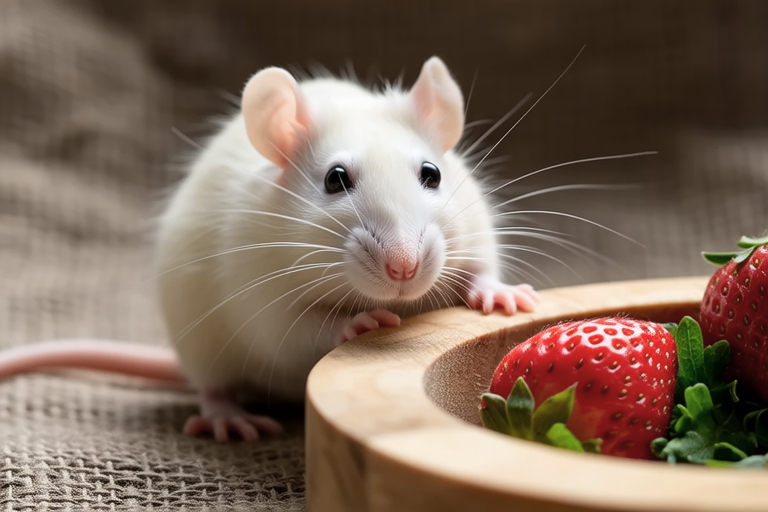
From Tiny To Tame: Everything You Need To Know About Fancy Rats
Introduction
Fancy rats, or domesticated rats, have been cherished as pets for centuries. Their intelligence, playful demeanor, and social nature make them ideal companions for both first-time and seasoned pet owners. These rodents are not only charming but also highly trainable, capable of performing tricks and forming strong bonds with their human caregivers. With their wide array of coat colors and patterns, fancy rats offer a visually appealing addition to any home. In this comprehensive guide, we will explore everything you need to know about these delightful creatures, from their origins to their care and maintenance.
Origins and Physical Characteristics
Fancy rats trace their lineage back to the wild brown rat (Rattus norvegicus), which was first domesticated in the early 19th century. Over time, selective breeding has resulted in a variety of physical traits that distinguish fancy rats from their wild counterparts. They typically have a sleek, soft coat, large ears, and long tails. Their eyes are bright and expressive, often giving them a curious and alert appearance. The average adult fancy rat weighs between 300 and 500 grams and can reach lengths of up to 25 centimeters, not including the tail.
One of the most striking features of fancy rats is their diverse range of coat colors and patterns. Common colors include black, white, cinnamon, fawn, blue, chocolate, and lilac. Patterns such as hooded, dalmatian, and harlequin add to their visual appeal. These variations are the result of careful breeding practices aimed at enhancing specific traits.
Care Requirements
Housing
Proper housing is essential for the well-being of your fancy rat. A spacious cage with adequate ventilation is crucial to ensure they have enough room to move around and exercise. Multi-level cages with ramps and platforms provide ample space for climbing and exploration. The cage should be lined with bedding material like paper-based products or wood shavings to keep it clean and comfortable. Avoid cedar and pine shavings as they can irritate the respiratory system.
Diet
Fancy rats are omnivores with a diet that primarily consists of commercial rodent pellets. These pellets provide a balanced mix of proteins, carbohydrates, fats, vitamins, and minerals necessary for their growth and development. Supplementing their diet with fresh fruits and vegetables can enhance their nutrition. However, avoid feeding them foods high in sugar or fat, as these can lead to obesity and other health problems. Fresh water should always be available, either through a sipper bottle or a shallow dish.
Necessary Accessories
To enrich their environment, fancy rats require toys and accessories that stimulate their natural behaviors. Chew toys made from safe materials help maintain their teeth, while tunnels and hideouts provide hiding spots for relaxation. Exercise wheels, ladders, and ropes encourage physical activity and mental stimulation. Regularly rotating these items keeps the environment interesting and prevents boredom.
Handling and Taming
Fancy rats are inherently social animals and thrive on interaction with their human companions. Handling them gently and frequently helps build trust and strengthens the bond between you and your pet. Start by placing your hand in the cage and allowing the rat to sniff and investigate. Once they become comfortable with your presence, gently pick them up by supporting their body with both hands. Always handle them with care, avoiding sudden movements that might startle them.
Consistency is key when taming fancy rats. Spend time each day interacting with them, offering treats as positive reinforcement. Patience is essential; some rats may take longer to become fully tamed. By providing a nurturing and consistent environment, you can ensure that your fancy rat becomes a confident and affectionate companion.
Maintaining Health
Health Tips
Regular veterinary check-ups are important for maintaining the health of your fancy rat. A healthy rat should have clear eyes, glossy fur, and a good appetite. Monitor their weight regularly to ensure they are neither underweight nor overweight. Keep their living area clean and hygienic to prevent the spread of diseases. Clean the cage and replace bedding weekly, and disinfect toys and accessories as needed.
Common Health Issues
Despite proper care, fancy rats can still face health challenges. Respiratory infections are common, often caused by poor ventilation or overcrowding. Symptoms include sneezing, wheezing, and discharge from the nose or eyes. Dental issues, such as overgrown teeth, can cause discomfort and affect their ability to eat. Regular dental checks are necessary to address these problems promptly. Parasites, including mites and lice, can infest their fur and skin, leading to itching and hair loss. Prompt treatment with appropriate medication is required to eliminate these parasites.
Signs of Illness
Recognizing the signs of illness in your fancy rat is crucial for timely intervention. Watch for changes in behavior, such as lethargy, loss of appetite, or reluctance to move. Discharge from the eyes or nose, labored breathing, and sores or lesions on the skin are also indicators of potential health issues. If you notice any of these symptoms, consult a veterinarian immediately to diagnose and treat the problem.
Choosing the Right Rat
When selecting a fancy rat as a pet, consider factors such as age, temperament, and compatibility with your lifestyle. Younger rats tend to be more energetic and easier to train, while older rats may be calmer and more laid-back. Look for a rat with clear eyes, clean fur, and a healthy weight. Observe their behavior in the presence of people to gauge their sociability and comfort level.
Adopting a fancy rat from a reputable breeder or rescue organization ensures that you are providing a loving home to a well-cared-for animal. Many shelters have fancy rats available for adoption, and adopting one can save a life while bringing joy to your household.
