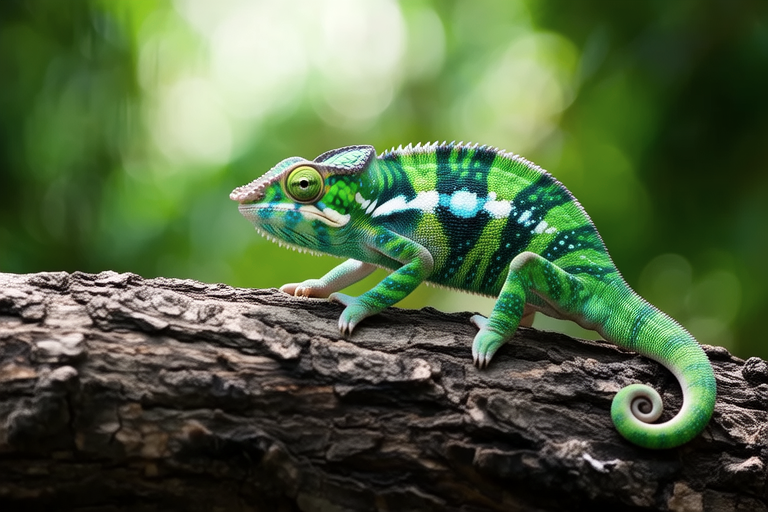
Chameleon Colors Explained: What Your Pet’s Changing Hue Really Means
Welcome to the fascinating world of chameleons! These captivating reptiles have long intrigued pet owners with their remarkable ability to change colors. Understanding why your chameleon shifts its hues can significantly enhance your bond and care for this unique pet. This article delves into the various reasons behind chameleon color changes, providing you with valuable insights into their behavior and needs.
Introduction to Chameleon Color Changes
Chameleons are known for their extraordinary ability to alter their skin color, but contrary to popular belief, they don’t change color solely to blend into their surroundings. The primary function of these color shifts is communication, mood regulation, and physiological adjustments. By understanding the nuances of chameleon color changes, you can better interpret your pet’s needs and ensure its well-being.
Communication Through Color
One of the most significant roles of chameleon color changes is communication. These vibrant displays serve as visual cues that convey messages to other chameleons or potential threats. For instance, bright, vivid colors often indicate aggression or dominance, while duller tones might signal submission or a desire for peace.
- Aggression: A chameleon may display darker, more intense colors when feeling threatened or territorial. Darkening shades like black or dark green suggest the chameleon is ready to defend itself against intruders.
- Submission: Conversely, lighter, less saturated colors like beige or pale yellow can signify submission. This is often seen during mating rituals or when a chameleon wants to avoid conflict.
- Mating Displays: During courtship, males will showcase striking colors to attract females. Bright blues, reds, and yellows are commonly used to impress potential mates.
Understanding these signals can help you create a harmonious environment for your chameleon, ensuring it feels safe and secure in its habitat.
Mood and Emotional States
The emotional state of a chameleon is also reflected through its color changes. Just as humans express emotions through facial expressions and body language, chameleons use color to communicate their feelings. Here’s what different colors might mean:
- Stress or Fear: If your chameleon appears unusually pale or washed out, it could be experiencing stress. Factors such as overcrowding, sudden loud noises, or unfamiliar environments can trigger this response.
- Contentment: When a chameleon is relaxed and comfortable, it may display vibrant, healthy-looking colors. This is often observed in well-adjusted pets who feel at ease in their surroundings.
- Excitement: Bright, bold colors might indicate excitement or anticipation. This could be seen when your chameleon spots prey or interacts with you in an engaging way.
Monitoring your chameleon’s color shifts can provide valuable insights into its emotional state, helping you address any underlying issues promptly.
Health Indicators
Changes in color can also serve as early indicators of a chameleon’s health status. While color alone cannot diagnose specific ailments, noticeable deviations from normal patterns may warrant further investigation.
- Pale or Dull Colors: Persistent paleness can be a sign of illness, dehydration, or malnutrition. It’s crucial to consult a veterinarian if you notice prolonged changes in your chameleon’s coloration.
- Abnormal Patterns: Sometimes, chameleons may develop unusual color patterns that don’t align with typical behaviors. This could indicate internal discomfort or disease.
- Temperature Regulation: Chameleons rely heavily on external heat sources to regulate their body temperature. If your chameleon appears too cold or too warm, it might reflect imbalances in its environment.
Regularly observing your chameleon’s color changes can help you catch potential health issues early, ensuring timely intervention and care.
Temperature and Light Conditions
Chameleons are ectothermic, meaning they rely on external heat sources to regulate their body temperature. Consequently, color changes can also be influenced by environmental factors such as temperature and lighting.
- Thermoregulation: As chameleons bask under UVB lights or natural sunlight, their bodies absorb heat. To manage their body temperature, they may darken their colors to absorb more heat or lighten them to reflect excess warmth. This helps maintain optimal metabolic functions.
- Light Intensity: Brighter light conditions can stimulate more vibrant colors, whereas dimmer settings might result in less pronounced hues. Ensuring appropriate lighting is essential for both physical and psychological well-being.
- Seasonal Variations: In the wild, chameleons might adjust their colors based on seasonal changes to optimize heat absorption. Mimicking these conditions in captivity can contribute to your chameleon’s overall health.
Creating an environment that supports proper thermoregulation and lighting is vital for maintaining your chameleon’s health and vitality.
Interpreting Color Signals for Better Care
By becoming attuned to your chameleon’s color signals, you can offer it the best possible care. Here are some practical tips:
- Observe Regularly: Spend time watching your chameleon’s color changes daily. Note any consistent patterns or unusual shifts that could indicate specific needs.
- Adjust Environment: Based on your observations, make necessary adjustments to the habitat. Ensure proper heating, lighting, and space for your chameleon to thrive.
- Consult Professionals: If you’re unsure about certain color changes or suspect health issues, don’t hesitate to seek advice from veterinarians specializing in reptiles.
With patience and attention, you can build a strong relationship with your chameleon, ensuring it enjoys a happy and healthy life.
Conclusion
Chameleon color changes are multifaceted, serving purposes beyond mere camouflage. They play crucial roles in communication, mood expression, health monitoring, and environmental adaptation. By understanding these signals, you can better interpret your chameleon’s needs and provide the care it deserves. Remember, each chameleon is unique, so take the time to learn about your pet’s individual behaviors and preferences. With this knowledge, you’ll foster a rewarding and enriching companionship with your colorful friend.
