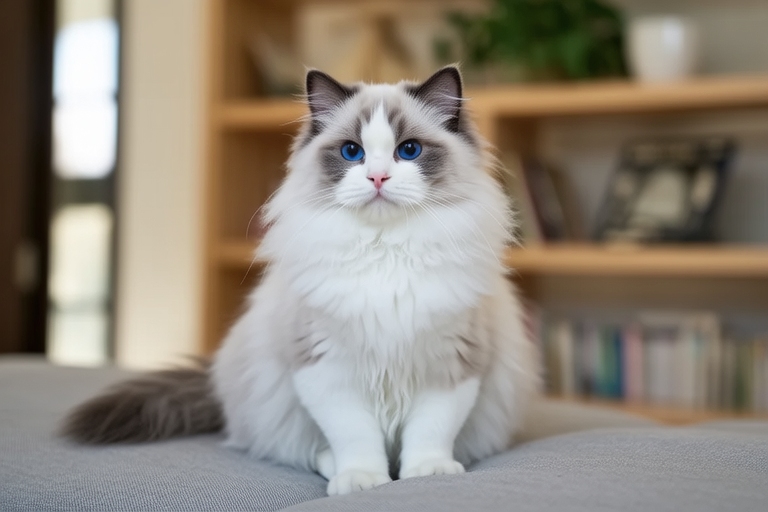
How to Keep Your Persian Cat Healthy and Happy: Expert Tips
Welcome to this comprehensive guide on keeping your Persian cat healthy and happy. Persian cats are known for their luxurious coats, gentle dispositions, and striking features. However, they also come with specific needs that require attentive care from their owners. In this article, we will explore various aspects of Persian cat care, offering expert tips that will help you ensure your feline friend lives a long, healthy, and joyful life.
Proper Nutrition for Persian Cats
Nutrition is a cornerstone of any cat’s health, and Persians are no exception. Providing the right diet is essential for maintaining their overall well-being. High-quality cat food, whether dry or wet, should be chosen based on the specific nutritional requirements of your Persian. Look for food that is high in protein and low in carbohydrates, as this aligns closely with the natural diet of cats.
It’s important to avoid overfeeding, as Persian cats are prone to obesity. Obesity can lead to a variety of health issues, including diabetes, heart disease, and arthritis. To prevent this, monitor your cat’s weight regularly and adjust portion sizes accordingly. Consult with your veterinarian to determine the ideal weight for your Persian and to develop a feeding plan that meets their individual needs.
In addition to regular meals, it’s beneficial to offer your Persian cat occasional treats. However, these should be given sparingly and should not exceed 10% of their daily caloric intake. Choose treats that are specifically formulated for cats and avoid human foods, which can be harmful to your pet.
Grooming Needs Specific to Persian Cats
Persian cats are renowned for their long, silky coats, but this beauty comes with significant grooming responsibilities. Their dense fur requires daily brushing to prevent matting and hairballs. Use a slicker brush and a comb to remove loose hairs and tangles. This not only keeps their coat in top condition but also helps reduce the amount of shedding in your home.
Aside from brushing, bathing is another crucial aspect of grooming. While Persians may not enjoy baths, they are necessary every few weeks to keep their coat clean and free from oils and dirt. Use a mild, pH-balanced shampoo designed for cats, and be sure to rinse thoroughly to remove all traces of soap. Pay special attention to areas where mats are more likely to form, such as behind the ears and under the tail.
Eyecare is another important grooming task for Persian cats. Their large, expressive eyes are susceptible to tear staining and infections due to their flattened faces. Wipe their eyes gently with a damp cloth or a specialized eye wipe to remove any discharge and prevent irritation. Additionally, check their ears regularly for signs of infection, such as redness or a foul odor, and clean them if necessary.
Exercise Recommendations for Persian Cats
Despite their sedentary reputation, Persian cats still require regular physical activity to maintain a healthy weight and cardiovascular system. Encourage your Persian to play with interactive toys like feather wands or laser pointers. These activities stimulate both their minds and bodies, helping to alleviate boredom and promote mental well-being.
If possible, provide your Persian with access to safe outdoor spaces, such as a screened-in porch or a catio. This allows them to explore and engage with their environment while remaining protected from potential dangers. However, always supervise outdoor time and ensure the area is secure to prevent accidents.
Another way to encourage exercise is by setting up climbing structures or shelves within your home. These provide opportunities for your Persian to climb, perch, and survey their surroundings, stimulating their natural instincts. Additionally, consider purchasing puzzle feeders, which challenge your cat to work for their food, adding an element of fun and mental stimulation to mealtime.
Common Health Issues and Preventive Measures
Persian cats are predisposed to certain health conditions, many of which are genetic in nature. Understanding these risks and taking preventive measures can significantly improve your cat’s quality of life. One common issue is polycystic kidney disease (PKD), a hereditary disorder characterized by the growth of cysts in the kidneys. Regular veterinary screenings can detect PKD early, allowing for appropriate management and slowing its progression.
Respiratory problems are also prevalent in Persians due to their brachycephalic (flat-faced) anatomy. This can result in breathing difficulties, especially during exertion or extreme temperatures. To mitigate these challenges, ensure your Persian has a cool, well-ventilated living space, and avoid exposing them to excessively hot or cold environments. Additionally, regular veterinary check-ups can help identify and address respiratory issues promptly.
Another concern for Persian cats is dental health. Tartar buildup and gum disease can lead to painful infections and other systemic health issues. Daily toothbrushing with a pet-safe toothpaste is recommended to maintain oral hygiene. Alternatively, dental treats and water additives can help reduce plaque and freshen breath. Regular dental examinations by a veterinarian are also essential for detecting and treating any underlying issues.
Tips for Maintaining a Stress-Free Environment
Cats are sensitive creatures, and stress can have a profound impact on their health and happiness. Creating a calm and comfortable environment is crucial for minimizing stress and promoting relaxation. Provide your Persian with multiple hiding spots, such as cozy beds or enclosed spaces, where they can retreat when feeling overwhelmed. Additionally, establish a consistent routine for feeding, playtime, and sleep to give your cat a sense of security and predictability.
Environmental enrichment is another effective strategy for reducing stress. Offer a variety of toys and activities to keep your Persian mentally stimulated and engaged. Consider rotating toys periodically to maintain interest and prevent boredom. Interactive play sessions also strengthen the bond between you and your cat, fostering a sense of trust and companionship.
Lastly, be mindful of changes in your household, such as new pets, renovations, or guests. Gradual introductions and positive reinforcement can help your Persian adapt to new situations more easily. If your cat shows signs of anxiety or distress, consult with a veterinarian or a certified animal behaviorist for guidance on managing stress effectively.
The Importance of Regular Veterinary Care
Regular veterinary care is paramount to ensuring the long-term health and happiness of your Persian cat. Annual check-ups allow veterinarians to monitor your cat’s overall health, detect potential issues early, and provide timely interventions. During these visits, your vet will perform a thorough physical examination, review your cat’s vaccination records, and discuss any concerns or questions you may have.
Vaccinations are an essential part of preventive care. Core vaccines protect against serious and potentially fatal diseases, such as rabies, feline panleukopenia, feline herpesvirus, and feline calicivirus. Depending on your cat’s lifestyle and risk factors, additional vaccines may be recommended. Consult with your veterinarian to determine the appropriate vaccination schedule for your Persian.
Parasite control is another critical aspect of veterinary care. Fleas, ticks, and intestinal parasites can cause discomfort and illness in cats. Discuss with your veterinarian the best methods for preventing and treating these pests, including the use of topical treatments, oral medications, and environmental controls.
In conclusion, keeping your Persian cat healthy and happy involves a combination of proper nutrition, diligent grooming, regular exercise, awareness of common health issues, stress management, and consistent veterinary care. By following these expert tips, you’ll be well-equipped to provide your beloved companion with the love and care they deserve, ensuring many years of joy together.
