The Turkish Angora: A Royal Feline Legacy
The Turkish Angora, a regal and graceful feline, has captivated human hearts for centuries. This breed’s story weaves through the annals of time, from ancient mythology to modern-day cat shows. Its unique blend of elegance, intelligence, and adaptability has made it a cherished companion and a subject of fascination. Let us delve into the rich tapestry of the Turkish Angora’s history, exploring its origins, physical attributes, and cultural significance.
Mythical Beginnings and Early References
The Turkish Angora’s lineage can be traced back to ancient times, where it was revered in the mystical lands of what is now modern-day Turkey. In Turkish folklore, the Angora cat is often associated with the goddess Cybele, who was believed to be accompanied by a white, longhaired cat. This mythical connection underscores the breed’s storied past and its deep-rooted place in Turkish culture.
Historical records suggest that Angoras were highly valued in the Ottoman Empire, where they were kept in harems and palaces. These cats were not only cherished for their beauty but also for their ability to control rodent populations. Their presence in such prestigious settings further elevated their status, making them symbols of luxury and refinement.
Physical Traits and Genetic Background
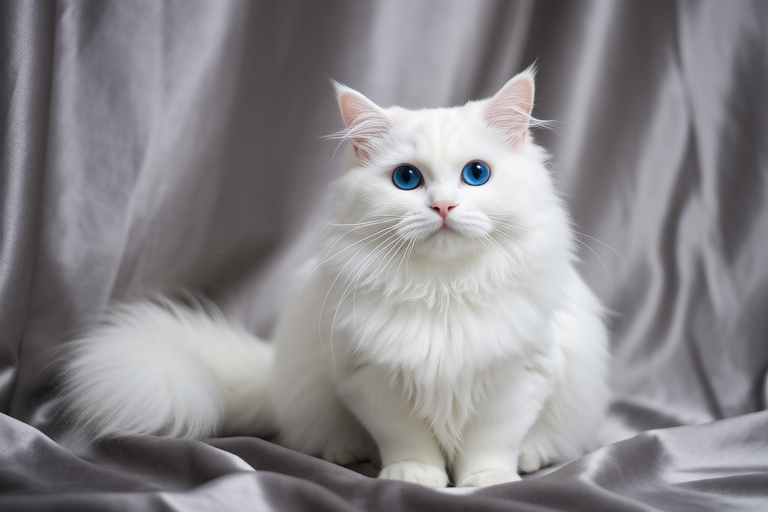
The Turkish Angora is renowned for its striking appearance. It boasts a medium-sized, elegant body with long legs, a slender neck, and a bushy tail. The breed’s most distinctive feature is its silky, semi-long coat, which is typically white but can come in other colors. The coat’s texture is soft and fine, requiring minimal grooming, which adds to the cat’s appeal.
Genetically, the Turkish Angora is a natural breed, meaning it developed without human intervention. Its long hair is due to a dominant gene, while its blue eyes are a result of the piebald gene, which also contributes to the breed’s characteristic white coat. The combination of these genes creates a unique and visually stunning feline.
Temperament and Adaptability
Besides its physical beauty, the Turkish Angora is celebrated for its engaging personality. These cats are known for their playful and affectionate nature, forming strong bonds with their human companions. They are intelligent and curious, often engaging in interactive play and seeking out mental stimulation.
The Turkish Angora’s adaptability is another remarkable trait. Despite originating in the cooler climates of central Anatolia, these cats have successfully adapted to various environments. Their agility and resourcefulness make them well-suited to both indoor and outdoor living, though they thrive in environments where they can explore and engage with their surroundings.
Cultural Significance and Folklore
In Turkish culture, the Angora cat holds a special place. It is often featured in folktales and legends, symbolizing good fortune and protection. One popular tale involves a Turkish Angora who saved its owner from a perilous situation, reinforcing the belief that these cats bring luck and safety to those who care for them.
The breed’s cultural importance extends beyond Turkey. Throughout history, Turkish Angoras were prized as gifts among royalty and nobility. For instance, during the reign of Catherine the Great in Russia, Angoras were presented as diplomatic tokens, further enhancing their reputation as aristocratic pets.
Modern Recognition and Breeding Programs
The Turkish Angora gained formal recognition in the early 20th century when it was introduced to cat fancy societies. In 1962, the Cat Fanciers’ Association (CFA) recognized the breed, solidifying its place in the world of competitive cat shows. Since then, the Turkish Angora has become a favorite among breeders and enthusiasts alike.
Today, breeding programs focus on preserving the breed’s original characteristics while promoting health and vitality. Breeders work diligently to maintain the Turkish Angora’s genetic diversity, ensuring that future generations retain the qualities that have made this breed so beloved.
Notable Facts and Myths
Several myths surround the Turkish Angora. One common misconception is that all Turkish Angoras are white. While white is the most prevalent color, the breed can also come in various shades, including black, red, and tabby patterns. Another myth is that Turkish Angoras are prone to health issues due to their long hair. However, proper care and regular grooming can prevent any potential problems, allowing these cats to live healthy, fulfilling lives.
A notable fact about the Turkish Angora is its association with the Ankara Zoo. In the 1950s, the zoo began a breeding program to preserve the breed, which remains active today. This initiative has played a crucial role in maintaining the purity and quality of the Turkish Angora, contributing to its continued popularity.
Significance in Cat Shows
The Turkish Angora’s presence in cat shows is both significant and inspiring. At these events, judges appreciate the breed’s unique features, including its graceful movements, expressive eyes, and luxurious coat. The Turkish Angora’s success in competitions reflects its enduring appeal and the dedication of breeders who work tirelessly to uphold the breed’s standards.
Moreover, the Turkish Angora’s involvement in cat shows has helped raise awareness about the breed’s history and cultural importance. By showcasing these magnificent cats, organizers contribute to the preservation of a legacy that dates back centuries.
Conclusion
The Turkish Angora is more than just a beautiful cat; it is a testament to the enduring bond between humans and animals. From its mythological roots to its current status as a beloved breed, the Turkish Angora continues to captivate and inspire. Its unique blend of elegance, intelligence, and adaptability makes it a cherished companion and a subject of admiration. As we look to the future, the Turkish Angora will undoubtedly remain an iconic figure in the world of felines, carrying forward its rich heritage and cultural significance.
