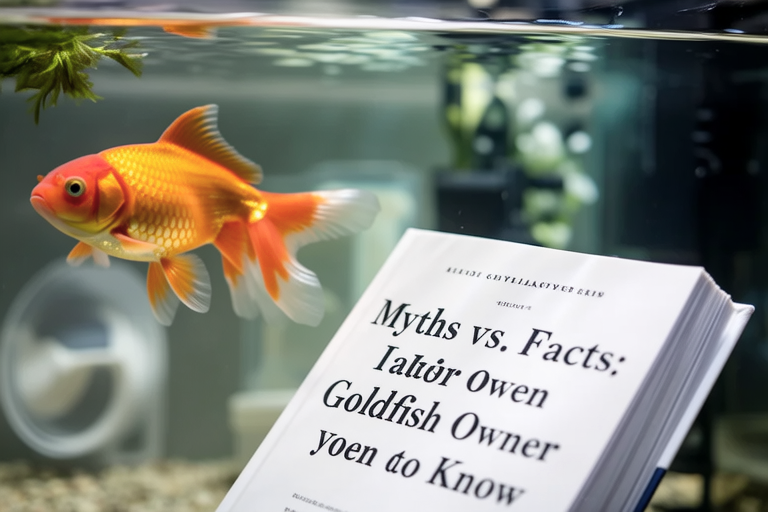
Myths vs. Facts: What Every Goldfish Owner Needs to Know
Welcome to a comprehensive guide that aims to clarify the truths behind some of the most common myths about goldfish. Whether you’re a seasoned aquarist or a first-time goldfish owner, understanding the facts will help you provide the best possible care for your pet. Let’s dive into the myths and facts surrounding goldfish lifespan, intelligence, and tank size.
Debunking Common Myths About Goldfish
Myth: Goldfish Have a Three-Month Lifespan
This is perhaps one of the most pervasive myths about goldfish. Many people believe that these fish only live for three months. In reality, goldfish can live much longer, sometimes up to 20 years if cared for properly. The key factors influencing their longevity include water quality, diet, and living conditions.
Myth: Goldfish Are Dumb Fish
Another widespread myth is that goldfish have short memories and are not intelligent. Research has shown that goldfish can remember things for up to five months and can even be trained to perform simple tasks, such as swimming through hoops. They are also capable of recognizing their owners and responding to them.
Myth: Goldfish Can Thrive in Small Bowls
The idea that goldfish can live happily in small bowls is a dangerous misconception. Goldfish require ample space to swim and grow. A bowl does not provide enough room for them to thrive, nor does it offer adequate filtration or oxygenation. Goldfish need at least 20 gallons of water per fish in an aquarium setting to ensure they have sufficient space and good water quality.
Facts About Proper Goldfish Care
Diet
Goldfish are omnivorous, meaning they eat both plant and animal matter. Their diet should consist of high-quality fish flakes or pellets designed specifically for goldfish. These foods are formulated to meet their nutritional needs, including protein, vitamins, and minerals. Additionally, it’s beneficial to supplement their diet with occasional treats like blanched vegetables (such as peas) and live or frozen foods like brine shrimp or bloodworms. Overfeeding is a common mistake; aim to feed them small portions twice daily, ensuring all food is consumed within a few minutes.
Water Quality Maintenance
Maintaining optimal water quality is crucial for the health of your goldfish. Regular partial water changes—about 25% every week—are essential to remove waste products and maintain clean water. Use a reliable water conditioner to neutralize harmful chemicals present in tap water before adding it to the tank. An efficient filtration system is necessary to keep the water free from debris and toxins. Testing kits can help monitor parameters such as pH, ammonia, nitrite, and nitrate levels, ensuring they remain within safe ranges.
Suitable Tank Mates
Choosing appropriate tank mates for your goldfish is important to avoid stress and potential aggression. Goldfish generally get along well with other peaceful community fish that share similar environmental requirements, such as temperature and pH levels. Good companions might include danios, platies, or certain species of loaches. However, avoid housing goldfish with highly aggressive or fin-nipping fish, as this could lead to injury or stress for your goldfish.
Tips for Keeping Goldfish Healthy and Happy
To ensure your goldfish enjoys a long and healthy life, follow these practical tips:
- Provide Adequate Space: As mentioned earlier, goldfish need plenty of room to move around comfortably. This not only promotes physical fitness but also reduces stress.
- Monitor Water Parameters: Consistently check the water parameters using test kits and make adjustments as needed. This proactive approach helps prevent issues before they become serious problems.
- Regular Feeding Schedule: Establishing a regular feeding schedule ensures your goldfish receive consistent nutrition while minimizing the risk of overfeeding.
- Decorate Thoughtfully: While it’s tempting to fill your aquarium with decorative elements, too many decorations can limit swimming space and hinder water circulation. Opt for minimalistic decor that provides hiding spots without overcrowding the tank.
- Watch for Signs of Illness: Familiarize yourself with common signs of illness in goldfish, such as lethargy, loss of appetite, or abnormal behavior. Early detection allows for prompt intervention, potentially saving your fish’s life.
In conclusion, understanding the truth behind common myths about goldfish and implementing proper care practices can significantly enhance the quality of life for these fascinating creatures. By providing ample space, nutritious diets, and maintaining excellent water conditions, you can ensure your goldfish lives a long, healthy, and joyful existence. Remember, each goldfish is unique, so observe their behaviors closely and adapt your care accordingly to meet their individual needs.
