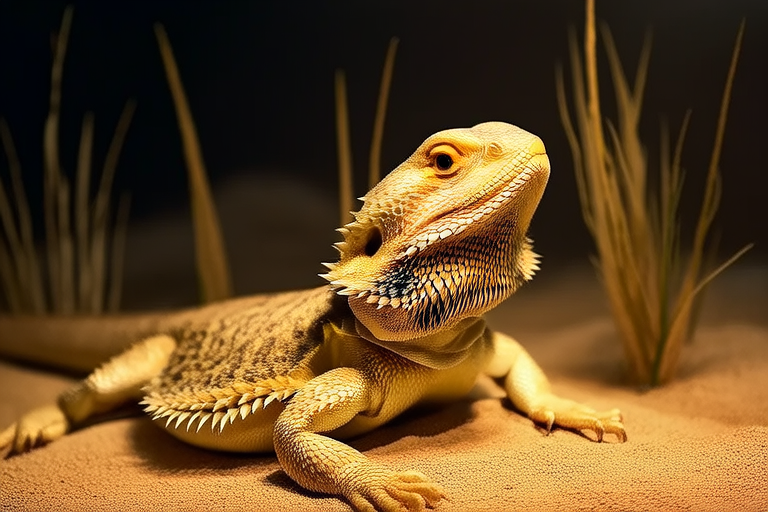
Common Mistakes New Bearded Dragon Owners Should Avoid
Welcome to the wonderful world of bearded dragon ownership! These charismatic reptiles are popular pets due to their engaging personalities and relatively low maintenance requirements. However, providing proper care for your bearded dragon is essential for its health and longevity. In this article, we will explore some common pitfalls that new bearded dragon owners often encounter and offer practical solutions to ensure your scaly friend thrives in its new home.
Introduction: The Importance of Proper Care for Bearded Dragons
Bearded dragons (Pogona vitticeps) are native to the arid regions of Australia, where they have adapted to harsh environmental conditions. As pets, they require specific living conditions to mimic their natural habitat, which includes appropriate temperatures, humidity levels, and a balanced diet. Neglecting these needs can lead to various health issues, including metabolic bone disease, respiratory infections, and even premature death. By understanding and addressing these common mistakes, you can create a healthy and happy environment for your bearded dragon.
Five Common Mistakes New Bearded Dragon Owners Make
Mistake 1: Incorrect Diet
One of the most frequent mistakes new bearded dragon owners make is providing an inadequate diet. A well-balanced diet is crucial for maintaining your dragon’s health. Many beginners might overlook the importance of offering a variety of vegetables, fruits, and protein sources. Feeding exclusively insects or overfeeding high-fat foods can lead to obesity and nutritional deficiencies.
Why It’s Problematic: A poor diet can result in malnutrition, weakened immune systems, and developmental issues. Over time, this can shorten your pet’s lifespan and reduce its quality of life.
How to Correct It: Offer a mix of leafy greens like collard greens, mustard greens, and dandelion greens. Supplement this with occasional treats of fruits and insects. Ensure that your bearded dragon receives calcium and vitamin D3 supplements to support strong bones and overall health. Consult with a veterinarian specializing in reptiles for personalized dietary recommendations based on your dragon’s age and size.
Mistake 2: Improper Habitat Setup
The habitat setup plays a vital role in ensuring your bearded dragon’s comfort and safety. Many new owners may underestimate the space required or fail to install necessary equipment, leading to suboptimal living conditions.
Why It’s Problematic: Insufficient space can cause stress and limit exercise opportunities, while inadequate lighting and heating can result in temperature-related illnesses.
How to Correct It: Provide a spacious terrarium that allows for ample room to move around and climb. Equip the enclosure with a UVB light source, heat lamp, and basking spot. Ensure the ambient temperature ranges between 75-85°F (24-29°C), with a basking area reaching up to 100°F (38°C). Use a thermostat or rheostat to maintain consistent temperatures and avoid overheating or underheating the enclosure.
Mistake 3: Handling Issues
Bearded dragons can be gentle and friendly pets when handled correctly, but improper handling techniques can lead to injuries or behavioral problems.
Why It’s Problematic: Rough handling can cause physical harm, such as broken bones or tail loss. Additionally, excessive handling can stress your dragon, making it less likely to trust you.
How to Correct It: Always handle your bearded dragon gently and support its body fully. Allow your pet to acclimate to your presence before attempting to pick it up. Start by placing your hand near its nose to let it sniff you, then slowly lift it from underneath. Avoid sudden movements and give your dragon plenty of time to adjust to being held. Regular, gentle handling sessions will help build a trusting relationship.
Mistake 4: Temperature Management Errors
Temperature regulation is critical for bearded dragons’ digestion, metabolism, and overall well-being. Beginners often struggle with maintaining the right temperature gradients within the enclosure.
Why It’s Problematic: Temperatures that are too cold can slow down digestion, while temperatures that are too hot can cause dehydration and heatstroke.
How to Correct It: Invest in accurate thermometers to monitor both the cool side and the basking area of the enclosure. Adjust the placement of heat lamps or heating pads as needed to achieve the desired temperature gradient. Ensure there are shaded areas available for your dragon to retreat to if it becomes too warm. Regularly check the temperature settings to prevent any fluctuations that could affect your pet’s health.
Mistake 5: Insufficient Lighting
Bearded dragons require specific types of lighting to synthesize vitamin D3 and maintain their health. Many new owners might neglect the importance of UVB lighting, leading to serious health complications.
Why It’s Problematic: Without adequate UVB exposure, bearded dragons cannot properly absorb calcium, which can lead to metabolic bone disease. This condition weakens bones and causes deformities.
How to Correct It: Install a high-quality UVB bulb specifically designed for reptiles. Position the light so that it provides direct exposure for approximately 10-12 hours daily. Replace the bulb every six months or according to the manufacturer’s guidelines to ensure optimal output. Consider the distance between the light source and your dragon’s basking area; typically, this should be around 12 inches. Ensure that the UVB light does not interfere with the heat lamp’s positioning, as this can disrupt temperature regulation.
Conclusion: Embracing Responsible Pet Ownership
By avoiding these common mistakes, you can significantly improve your bearded dragon’s quality of life and extend its lifespan. Remember, proper care requires ongoing education and attention to detail. Regularly consult reputable sources for updated information on best practices in bearded dragon care. Engage with experienced owners and veterinarians who specialize in reptiles for additional guidance. With dedication and effort, you can provide a loving home for your scaly companion and enjoy many years of companionship together.
To learn more about bearded dragon care, consider joining online forums, attending local reptile expos, or reading books written by experts in herpetology. These resources will equip you with the knowledge necessary to become a responsible and informed pet owner. Happy dragon keeping!
