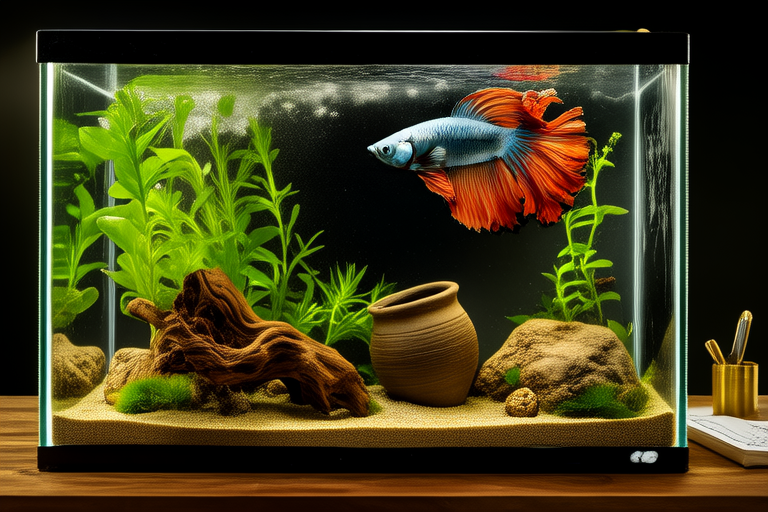
DIY Tips for Crafting the Perfect Habitat for Your Betta
Welcome to the wonderful world of betta fish care! These vibrant, colorful creatures can bring joy and beauty to your home. Creating the perfect habitat for your betta is crucial for their health and happiness. This comprehensive guide will walk you through everything you need to know about setting up and maintaining a healthy, stimulating environment for your betta. From choosing the right tank size to maintaining water quality, this article will provide practical, easy-to-follow DIY tips to ensure your betta thrives.
Choosing the Right Tank Size
The first step in crafting the perfect habitat for your betta is selecting the appropriate tank size. While many people believe bettas can live happily in small bowls, this is a misconception. Bettas need more space than a bowl can provide. A tank of at least 2.5 gallons (10 liters) is recommended for a single betta. This size allows enough room for swimming and helps maintain better water quality.
If you’re short on space, consider using a long, low tank instead of a tall one. This design mimics their natural environment, where they swim horizontally rather than vertically. For those who want to create a multi-tank setup, ensure each tank is large enough to support a single betta comfortably.
Essential Tank Equipment
Once you’ve chosen the right tank size, it’s time to gather the necessary equipment to keep your betta healthy. The most important pieces of equipment include:
- Filter: A filter is essential for keeping the water clean and free from harmful bacteria. Choose a filter that matches the tank size and provides gentle water flow. Avoid overly strong filters that could stress your betta.
- Heater: Bettas prefer warm water, typically between 76°F and 82°F (24°C and 28°C). A reliable heater will help maintain this temperature range. Use a thermometer to monitor the water temperature and adjust the heater as needed.
- Air Pump: An air pump creates beneficial oxygenation in the water. Bettas have labyrinth organs that allow them to breathe air from the surface, but supplemental oxygenation is still important, especially in larger tanks.
For DIY enthusiasts, consider building a simple filter using a plastic bottle or creating a homemade heater using a heated cable wrapped around a Styrofoam block. These projects can be both fun and cost-effective.
Creating a Safe and Stimulating Environment
Your betta’s tank should not only be functional but also visually appealing and engaging. Decorations and plants play a crucial role in creating a safe and stimulating environment.
- Decorations: Incorporate caves, castles, and other structures that mimic hiding spots found in nature. These items provide security and entertainment for your betta. When selecting decorations, ensure they are non-toxic and safe for fish.
- Plants: Live or artificial plants offer numerous benefits. They provide hiding spots, reduce stress, and enhance water quality by absorbing nitrates. If opting for live plants, choose species like Java fern or Amazon swords that thrive in aquarium conditions. For DIY planters, you can repurpose small containers filled with aquarium-safe substrate and plant roots.
Arrange the decorations and plants strategically to create different zones within the tank. This layout encourages exploration and keeps your betta active and engaged.
Maintaining Water Quality, Temperature, and pH Levels
Water quality is paramount for your betta’s health. Regularly testing and adjusting these parameters ensures a stable and healthy environment.
- Water Changes: Perform partial water changes every week to remove waste and maintain water quality. Aim to replace approximately 25% of the tank water each time. Use a gravel vacuum to clean the substrate during water changes.
- Temperature Control: As mentioned earlier, bettas prefer warmer water. Invest in a reliable heater and thermometer to monitor and maintain the ideal temperature range. For DIY temperature control, you can construct a thermostat using a relay and temperature sensor connected to a microcontroller.
- pH Levels: Betta fish prefer slightly acidic water, with a pH level between 6.5 and 7.5. Test the water regularly and adjust the pH if necessary. You can lower the pH by adding driftwood or peat moss to the tank.
Regular maintenance and monitoring of these factors will help prevent common issues such as fin rot and ammonia spikes.
Feeding Habits
Proper nutrition is key to your betta’s overall well-being. Feed your betta high-quality flake food, pellets, or frozen foods twice daily. Offer only what they can consume within two minutes to prevent overfeeding. Overfeeding can lead to poor water quality and health problems.
Vary your betta’s diet with occasional treats like bloodworms, brine shrimp, or daphnia. These additions provide essential nutrients and stimulate appetite. Always store food in a cool, dry place to preserve its freshness.
For a DIY treat, you can make homemade betta food by blending boiled vegetables and fish flakes. Freeze the mixture into small cubes for convenient feeding.
Common Mistakes to Avoid
Setting up a betta’s habitat requires attention to detail to avoid common pitfalls. Here are some mistakes to watch out for:
- Overcrowding: Avoid housing multiple bettas together unless you have separate tanks. Male bettas are territorial and may fight, while female bettas should be kept in groups with plenty of space.
- Inadequate Filtration: Insufficient filtration can lead to poor water quality and increased stress for your betta. Ensure your filter is appropriately sized for the tank and provides adequate water flow.
- Improper Water Parameters: Failing to maintain proper water parameters, such as temperature, pH, and hardness, can negatively impact your betta’s health. Regular testing and adjustments are necessary to keep the water in optimal condition.
By being mindful of these potential issues, you can create a thriving environment for your betta.
Conclusion
Crafting the perfect habitat for your betta is an enjoyable and rewarding process. By following these DIY tips, you can create a beautiful, functional tank that promotes your betta’s health and happiness. Remember to choose the right tank size, equip it with necessary tools, create a safe and stimulating environment, maintain water quality, and feed your betta properly. With patience and care, you’ll have a thriving, vibrant companion that brings joy to your home.
