From Royalty to Companion: The Journey of the Golden British Shorthair
The golden British Shorthair, a breed that exudes elegance and grace, has a rich history dating back centuries. This majestic feline has not only captured the hearts of many but also held a place of distinction among the elite. Let’s embark on a journey through time to explore the origins, evolution, and enduring charm of the golden British Shorthair.
A Royal Beginning
The history of the British Shorthair can be traced back to ancient times when these cats were revered for their prowess as hunters. They were brought to Britain by the Romans around 2,000 years ago, where they thrived in the cold climate, becoming adept at catching vermin. Over the centuries, the British Shorthair gained popularity as a symbol of luxury and prestige. Their dignified demeanor and striking appearance made them favorites among the aristocracy, often seen in the company of nobility.
During the Victorian era, the British Shorthair became even more prominent, featuring in the works of famous artists and writers. One of the most notable mentions is Charles Dickens’ depiction of his own British Shorthair, Belinda, in his novel “Bleak House.” This period marked the beginning of organized breeding, leading to the establishment of the first cat show in London in 1871. Here, the British Shorthair was showcased alongside other breeds, further cementing its status as a breed of distinction.
Physical Characteristics
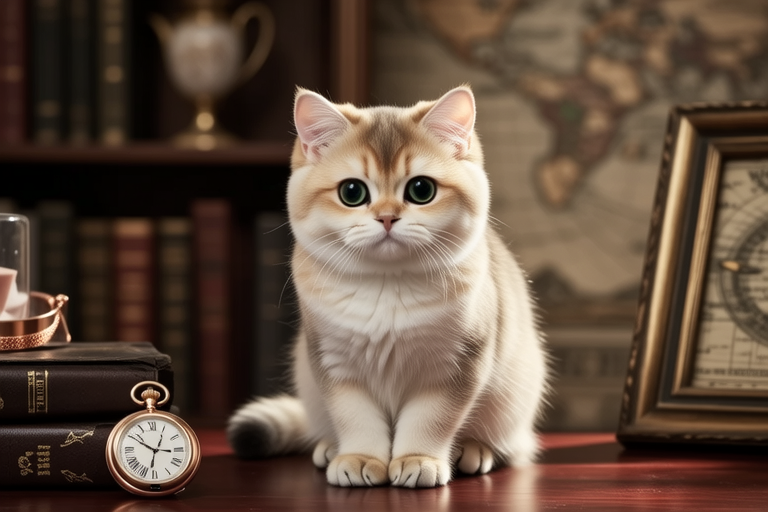
The golden British Shorthair is easily recognizable due to its plush, luxurious coat, which ranges from cream to gold. This golden hue is unique, setting the breed apart from others. The dense, short fur is thick and plush, providing excellent insulation against the elements. Their large, round eyes, typically a deep copper or gold color, add to their regal appearance.
These cats are robust and well-muscled, giving them a sturdy and imposing presence. They have broad heads, small ears, and a compact body, all contributing to their distinctive look. Their size and weight vary, with males generally being larger than females. Despite their robust build, they are known for their calm and gentle nature, making them ideal companions for families.
The Transition from Luxury to Companion
As the world changed, so did the role of the British Shorthair. What once was a symbol of luxury and status gradually transformed into a beloved family member. The breed’s adaptability and gentle temperament made it a perfect fit for homes across the social spectrum. In modern times, the golden British Shorthair is cherished for its affectionate nature and loyalty, rather than its royal lineage.
This transformation is evident in the breed’s widespread adoption as a household pet. Their calm demeanor and easy-going nature make them excellent companions for both adults and children. They are known for their patience and tolerance, traits that endear them to families with young children or other pets. Their adaptability to different living situations, whether urban apartments or rural homes, further solidifies their position as cherished companions.
Temperament and Care Requirements
The golden British Shorthair is renowned for its friendly and affectionate personality. They are independent yet loving, often forming strong bonds with their human companions. These cats enjoy the company of their owners but are equally comfortable spending time alone, making them suitable for individuals who work long hours.
Care for a golden British Shorthair is relatively straightforward. Their short, dense coats require regular grooming to keep their fur healthy and shiny. A weekly brushing is recommended to prevent matting and remove loose hair. Additionally, maintaining a balanced diet and providing fresh water are essential for their overall health. Regular veterinary check-ups are important to monitor their well-being and address any potential health concerns early.
Common Health Issues
Like all breeds, the golden British Shorthair is susceptible to certain health issues. Hip dysplasia, a condition affecting the hip joints, can cause discomfort and mobility issues. Regular exercise and a healthy diet can help manage this condition. Another concern is hypertrophic cardiomyopathy, a heart disease that can lead to serious complications if left untreated. Early detection and management are crucial for a good quality of life.
Periodic dental check-ups are also important, as dental problems can affect overall health. Providing dental treats and toys that promote chewing can help maintain oral hygiene. Additionally, keeping an eye on their weight is vital, as obesity can exacerbate joint issues and contribute to other health problems.
The Enduring Appeal
The golden British Shorthair continues to captivate hearts and homes with its enduring charm. Its regal heritage, combined with its gentle nature, makes it a perfect addition to any family. In modern households, these cats are valued not just for their beauty but also for their companionship and loyalty.
The breed’s adaptability and ease of care make it an attractive option for potential pet owners. Whether you’re a seasoned cat lover or considering your first feline friend, the golden British Shorthair offers a rewarding experience. Their playful yet calm demeanor ensures they bring joy and warmth to every home they enter.
In conclusion, the journey of the golden British Shorthair from royalty to cherished companion is a testament to its enduring appeal. From its regal beginnings to its current status as a beloved family member, this breed continues to enchant and delight. Embrace the warmth and affection of the golden British Shorthair, and experience the timeless bond that this magnificent cat offers.
