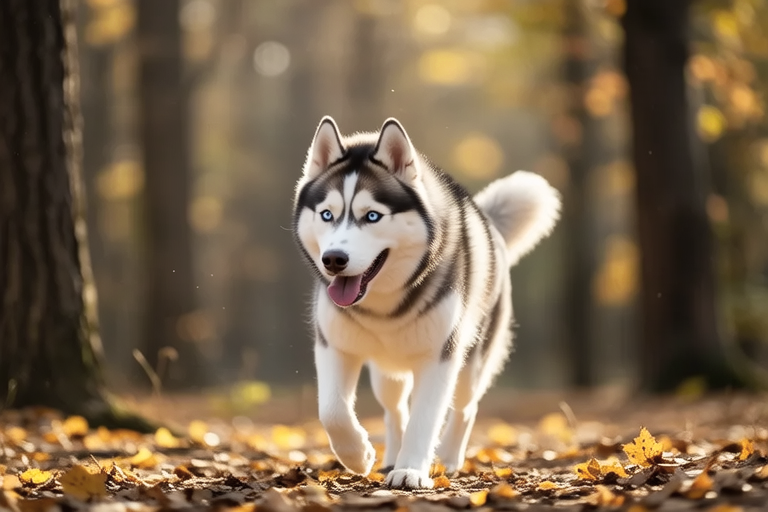
The Ultimate Guide to Caring for Your Energetic Siberian Husky Companion
Welcome to the world of Siberian Huskies! Known for their striking blue or multi-colored eyes, thick fur, and high energy levels, these dogs are truly unique and rewarding companions. This guide will help you understand the special needs of your Siberian Husky and provide practical advice on how to care for them.
Diet and Nutrition
Siberian Huskies have specific dietary requirements that cater to their active lifestyle. They require a balanced diet rich in protein and fat, which fuels their energy levels. High-quality kibble with animal-based proteins like chicken, lamb, or fish is ideal. Incorporate some fresh meat into their meals occasionally. Avoid grains, as they can cause digestive issues. Always provide clean, fresh water.
Real-life scenario: Sarah noticed her husky, Max, had low energy and was gaining weight. She switched his diet to a grain-free, high-protein kibble, and within weeks, Max’s energy returned, and he lost excess weight.
Exercise Needs and Recommended Activities
Huskies are working dogs and need plenty of exercise. Daily walks, runs, or hikes are necessary. Engage them in sports like agility, flyball, or sledding. Mental stimulation is also important; hide treats around the house or yard for them to find.
Real-life scenario: John found that taking his husky, Bella, on long hikes twice a week helped manage her hyperactivity. He noticed she became more relaxed and well-behaved at home.
Grooming Tips
Huskies shed heavily, especially during spring and fall. Regular brushing helps reduce shedding and keeps their coat healthy. Bathe them only when necessary, as frequent bathing strips their coat of natural oils. Trim their nails monthly and check their ears weekly for dirt or infection.
Real-life scenario: Lisa struggled with her husky, Duke, shedding all over her furniture. After increasing his brushing sessions to three times a week, she noticed a significant reduction in shedding.
Common Health Issues and Preventive Care
Regular veterinary check-ups, vaccinations, and parasite control are crucial. Common health issues include hip dysplasia, eye problems, and skin allergies. Maintain a healthy weight to prevent joint issues. Provide a safe, comfortable sleeping area.
Real-life scenario: Mike noticed his husky, Rocky, limping slightly. After a vet visit, Rocky was diagnosed with mild hip dysplasia. The vet prescribed a joint supplement, and Rocky improved significantly.
Training Techniques
Huskies are intelligent and independent, requiring consistent, positive reinforcement training. Use treats and praise to reward good behavior. Be patient and persistent. Avoid harsh corrections.
Real-life scenario: Emily struggled with teaching her husky, Charlie, basic commands. After switching to positive reinforcement techniques, Charlie learned commands quickly and reliably.
Socialization Advice
Socialize your husky from a young age to ensure they are comfortable around people, other animals, and new environments. Introduce them to various situations gradually and consistently. Encourage friendly interactions.
Real-life scenario: Tom socialized his husky, Luna, by taking her to dog parks and inviting friends over. Luna grew up to be a confident and friendly dog, comfortable in any situation.
Tips for Managing Their Vocal Nature
Huskies are known for howling. Teach them to bark only when necessary. Redirect their attention when they start howling. Exercise and mental stimulation can help reduce excessive barking.
Real-life scenario: Sarah’s husky, Max, used to howl frequently. After increasing his exercise and providing him with more mental stimulation, Max’s howling decreased significantly.