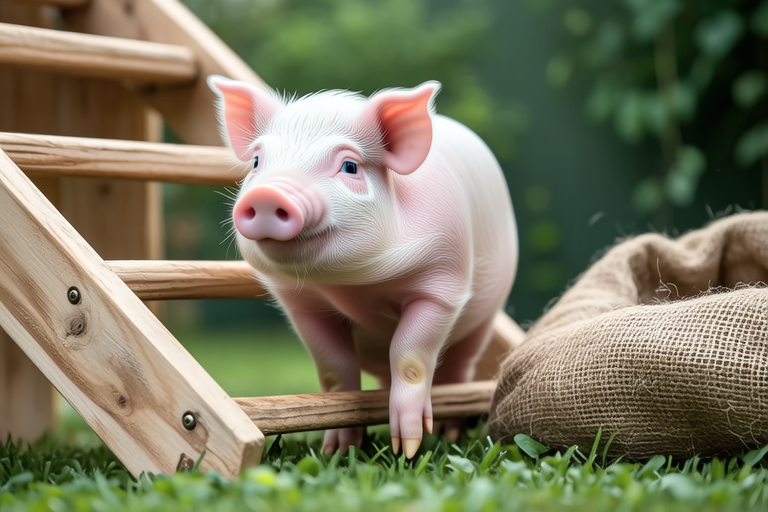
Transforming Your Home into a Guinea Pig Paradise
Welcome to your guide on creating the perfect home for your guinea pig! Whether you’re a first-time pet owner or have years of experience, this comprehensive guide will help you transform your living space into a paradise for your furry friend. From selecting the right cage size and location to providing essential accessories and ensuring a healthy diet, we’ve got you covered.
Selecting the Right Cage Size and Location
The first step in creating a guinea pig paradise is choosing the right cage. Guinea pigs need ample space to move around freely, play, and explore. A cage that’s too small can lead to stress and health problems. Aim for at least 7.5 square feet (about 79 inches by 47 inches) for one guinea pig, with additional space for each additional piggy.
When it comes to location, choose a quiet area away from drafts and direct sunlight. Avoid placing the cage near windows where sudden temperature changes can occur. The ideal temperature range for guinea pigs is between 65°F and 75°F (18°C to 24°C). Ensure the area is free from loud noises and vibrations, as these can stress your pets.
Essential Cage Accessories
Bedding
Choosing the right bedding is crucial for your guinea pig’s comfort and health. Opt for soft, dust-free bedding materials such as paper-based products or fleece liners. Avoid pine and cedar shavings, as they can irritate your pet’s respiratory system and skin. Change the bedding regularly to prevent ammonia buildup and odor.
Toys and Hideouts
To keep your guinea pig mentally and physically stimulated, provide a variety of toys. These can include tunnels, chew toys, and exercise wheels. Rotate toys occasionally to keep things interesting. Hideouts, like small cardboard boxes or wooden huts, offer your pet a sense of security and a place to rest.
Proper Diet and Feeding Arrangements
A balanced diet is key to your guinea pig’s health. Guinea pigs require a constant supply of fresh hay, which provides fiber and aids digestion. Offer a variety of fresh vegetables daily, including dark leafy greens like kale and spinach. Fruits should be given sparingly due to their high sugar content.
Vitamin C is essential for guinea pigs, as they cannot produce it themselves. Include vitamin C-rich foods like bell peppers, strawberries, and oranges in their diet. Pellets formulated specifically for guinea pigs should also be provided, as they offer a balanced mix of nutrients.
Health Care Tips
Regular check-ups with a veterinarian who specializes in small animals are vital. Keep an eye out for signs of illness, such as lethargy, loss of appetite, or unusual droppings. Clean the cage thoroughly and frequently to prevent bacterial and fungal growth.
Grooming is another important aspect of health care. Trim your guinea pig’s nails when necessary and brush their coat regularly to prevent mats and tangles. Bathing should be done infrequently, as it can strip natural oils from their skin.
Safe Household Plants
Some houseplants are toxic to guinea pigs, while others can be safely incorporated into their environment. Safe options include spider plants, Boston ferns, and pothos. Always research any plant before introducing it to your pet’s space. If in doubt, consult a veterinarian.
Creating a Stimulating Environment
To encourage natural behaviors, create an enriching environment. Provide tunnels, ramps, and platforms for climbing and exploring. Rotate toys and accessories periodically to maintain interest. Spend time interacting with your guinea pig, offering treats and gentle handling.
Conclusion
By following these guidelines, you’ll create a happy, healthy, and stimulating environment for your guinea pig. Remember, every guinea pig is unique, so observe your pet’s preferences and adjust their environment accordingly. With love, care, and attention, your home will truly become a paradise for your beloved companion.
