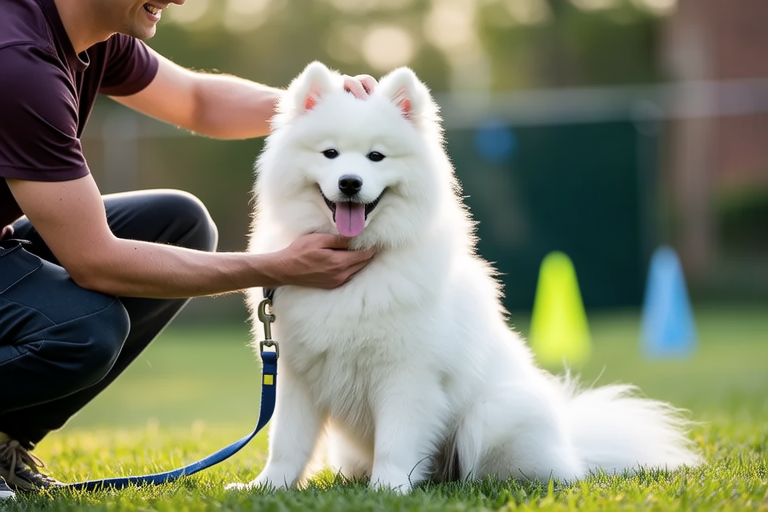
Samoyed Training Tips: How to Raise a Happy, Well-Behaved Pup
Introduction: Understanding Samoyeds’ Temperament and Energy Levels
The Samoyed, with its striking white coat and captivating smile, is a breed that exudes warmth and charm. Originating from Siberia, these dogs were originally bred to herd reindeer and pull sleds. Their natural instincts make them highly energetic and intelligent, traits that require attentive and consistent training. Samoyeds are known for their friendly and outgoing nature, but they can also be stubborn at times. This combination makes them both delightful companions and a bit challenging to train.
Samoyeds have a high level of energy, which means they need ample exercise and mental stimulation to thrive. Without proper outlets for this energy, they might become destructive or overly vocal. Training your Samoyed not only helps manage their energy but also strengthens the bond between you and your pet. In this article, we will explore various training tips that will help you raise a happy, well-behaved Samoyed.
Basic Commands: The Foundation of Training
Teaching your Samoyed basic commands is crucial for establishing control and ensuring safety. Start with simple commands like ‘sit,’ ‘stay,’ ‘come,’ and ‘down.’ These commands form the foundation of all further training.
Sit
To teach your Samoyed to sit, hold a treat above their nose and gradually move it back towards their head. As they follow the treat, their bottom should naturally lower to the ground. Once they sit, give them the treat and praise them. Repeat this process several times a day until they understand the command.
Stay
The ‘stay’ command requires patience. Begin by having your Samoyed sit, then take a step back while saying ‘stay.’ If they remain in place, reward them with a treat and verbal praise. Gradually increase the distance and duration as they get better at staying put.
Come
The ‘come’ command is essential for safety. Start in a quiet, distraction-free area. Call your Samoyed’s name followed by ‘come,’ and reward them when they reach you. Practice this command regularly, even after short walks or playtime, to reinforce it.
Down
To teach your Samoyed to lie down, start with them sitting. Hold a treat in front of their nose and slowly lower it towards the ground. As they follow the treat, their body should naturally lower into a lying position. Reward them once they’re down.
Socialization Techniques: Building Confidence and Good Manners
Socializing your Samoyed is vital for developing good manners and confidence around other people and animals. Early socialization helps prevent fear-based behaviors and aggression later in life.
Exposure to Different Environments
Take your Samoyed to various places such as parks, pet stores, and friends’ homes. Introduce them to different sights, sounds, and smells. Positive experiences in these environments will help them feel comfortable in unfamiliar situations.
Meeting New People and Animals
Encourage your Samoyed to meet new people and animals. Allow them to approach strangers on their own terms, and ensure each interaction is positive. Reward calm and friendly behavior with treats and praise.
Training Classes
Enroll in obedience classes where your Samoyed can learn alongside other dogs. Group classes provide excellent opportunities for socialization and learning. They also offer a structured environment where you can practice commands and receive feedback from professionals.
Exercise Needs: Keeping Your Samoyed Physically and Mentally Stimulated
Samoyeds are active dogs that require plenty of exercise to maintain their physical and mental health. Regular exercise not only helps burn off excess energy but also prevents boredom-related behaviors.
Walking and Jogging
Long walks or jogs are ideal for Samoyeds. Aim for at least two 30-minute walks per day. These activities keep them physically fit and mentally engaged. Be mindful of weather conditions, especially during hot summer days, as Samoyeds can overheat easily.
Interactive Toys and Puzzle Feeders
Interactive toys and puzzle feeders are great for keeping your Samoyed entertained when you’re not available for playtime. These toys challenge their minds and provide mental stimulation. Rotate toys frequently to keep things interesting.
Agility Training
If your Samoyed enjoys physical challenges, consider agility training. This activity involves navigating through obstacles like tunnels, jumps, and weave poles. It provides an excellent outlet for their energy and helps build coordination.
Common Behavioral Issues and Solutions
Despite their friendly nature, Samoyeds can develop certain behavioral issues if not properly trained. Here are some common problems and effective solutions:
Chewing and Destructiveness
Chewing is a normal behavior for puppies, but it can become destructive if not managed. Provide appropriate chew toys and redirect your Samoyed’s attention when they start chewing on furniture or shoes. Crate training can also help manage destructive behavior by providing a safe space for your dog.
Barking
Samoyeds are known for being vocal dogs. While barking is a natural way for them to communicate, excessive barking can be disruptive. Teach your Samoyed the ‘quiet’ command by rewarding them when they stop barking. Redirect their attention to a toy or activity to distract them from barking.
Separation Anxiety
Some Samoyeds may experience separation anxiety when left alone. Gradually accustom your dog to being alone by starting with short periods and increasing the time as they become more comfortable. Providing interactive toys and leaving the radio on can also help ease their anxiety.
Maintaining a Positive Training Environment and the Importance of Consistency
A positive training environment is key to successful training. Use treats, praise, and affection to reward good behavior. Avoid harsh punishments, as they can damage the trust between you and your Samoyed. Instead, focus on reinforcing desired behaviors through positive reinforcement.
Consistency is equally important. Ensure all family members use the same commands and follow the same rules. Inconsistent training can confuse your Samoyed and lead to behavioral issues. Regular training sessions, even after your Samoyed has mastered basic commands, help reinforce their training and keep them mentally sharp.
