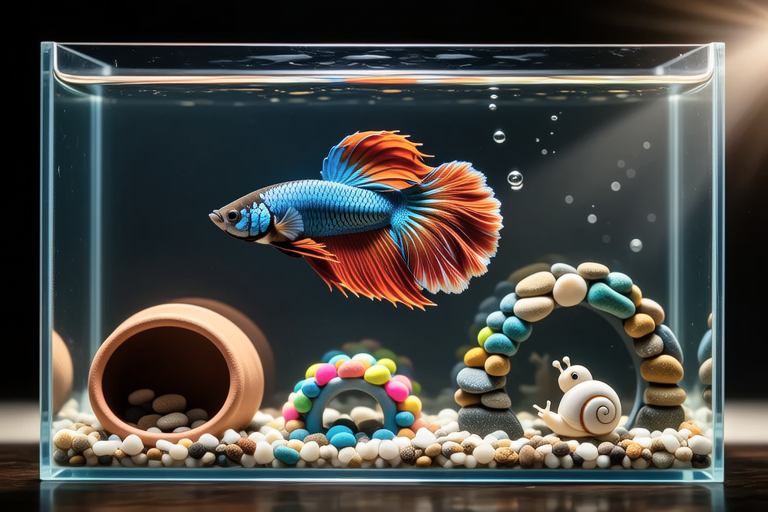
5 Creative DIY Ideas to Spice Up Your Betta’s Tank
Welcome to the world of enhancing your betta fish tank with creativity! Whether you’re a seasoned aquarist or just starting out, adding personal touches to your pet’s environment can make a significant difference in their well-being and the overall aesthetics of your aquarium. This article will guide you through five unique DIY projects designed to improve both the beauty and functionality of your betta’s home.
1. Floating Betta Bubble Wand
The first project we’ll explore is the creation of a floating betta bubble wand. This simple yet charming addition not only adds visual interest but also provides enrichment for your betta by encouraging natural swimming behavior.
Introduction
A floating bubble wand consists of a small, flexible tube that floats on the surface of the water, creating bubbles when gently moved. It mimics the movement of plants or debris in nature, stimulating your betta’s curiosity and promoting exercise.
Materials Needed
- Clear plastic tubing (about 1 inch in diameter)
- Hot glue gun and glue sticks
- Betta-safe silicone sealant
- Small pebbles or marbles
- Waterproof fishing line
Step-by-Step Instructions
- Prepare the Tubing: Cut the clear plastic tubing into several pieces of varying lengths, ensuring they are long enough to float on the surface of the tank.
- Attach Pebbles: Use hot glue to attach small pebbles or marbles at one end of each piece of tubing. These weights will help the tubing float upright without sinking.
- Secure with Fishing Line: Tie waterproof fishing line around the other end of each piece of tubing. The length should allow the tubing to reach the bottom of the tank comfortably.
- Seal Ends: Apply a thin layer of betta-safe silicone sealant over the cut ends of the tubing to prevent any sharp edges from harming your fish.
- Arrange in Tank: Carefully place the bubble wands in various spots within your tank. You may need to adjust them slightly to ensure they float properly.
Tips for Success
- Ensure all materials used are safe for aquatic environments and non-toxic to your betta.
- Monitor the condition of the bubble wands regularly; replace any damaged parts promptly.
- Vary the positions of the bubble wands occasionally to keep your betta engaged.
2. DIY Betta-Friendly Decorative Rocks
Next up, let’s dive into crafting decorative rocks that serve as both aesthetic enhancements and functional hiding spots for your betta.
Introduction
Decorative rocks can transform the appearance of your tank while providing essential hiding places for your betta. By customizing these rocks yourself, you can ensure they are free from harmful chemicals and perfectly suited to your fish’s needs.
Materials Needed
- Smooth river rocks or pebbles
- Non-toxic acrylic paints
- Paintbrushes
- Clear sealant spray
Step-by-Stack Instructions
- Choose Your Rocks: Select smooth river rocks or pebbles that are large enough to create a cozy hideaway for your betta.
- Wash and Dry: Thoroughly wash the rocks under running water and dry them completely before painting.
- Paint Designs: Using non-toxic acrylic paints, paint intricate designs or patterns onto the rocks. Be creative and have fun with this step!
- Apply Sealant: Once the paint has dried, apply a clear sealant spray to protect the artwork and ensure the rocks remain non-toxic.
- Introduce to Tank: Place the newly decorated rocks in your tank, arranging them so your betta can easily access them for shelter.
Tips for Success
- Use a variety of colors and designs to add vibrancy to your tank.
- Ensure the rocks are stable and won’t tip over easily once placed in the tank.
- Check periodically for any signs of wear on the sealant and repaint if necessary.
3. Handcrafted Ceramic Plant Holders
In this section, we’ll look at making ceramic plant holders that double as stylish decorations for your betta’s tank.
Introduction
Ceramic plant holders are an excellent way to add structure and color to your tank while keeping live plants secure. They also offer a break from traditional plastic pots, giving your setup a more natural look.
Materials Needed
- Ceramic flower pots or saucers
- Non-toxic acrylic paints
- Paintbrushes
- Clear sealant spray
- Plastic mesh (optional)
Step-by-Step Instructions
- Select Pots: Choose ceramic flower pots or saucers that fit well with your tank size and style.
- Paint Pot: Paint the exterior of the pot using non-toxic acrylic paints. Consider adding patterns or motifs that complement your tank decor.
- Apply Sealant: After the paint dries, apply a clear sealant spray to protect the design and make the pot waterproof.
- Prepare Mesh (Optional): If using live plants, cut plastic mesh to fit inside the pot to hold the substrate and roots in place.
- Install in Tank: Position the ceramic plant holder in your tank and fill it with substrate and plants. Ensure the arrangement looks balanced and attractive.
Tips for Success
- Experiment with different shapes and sizes of ceramic pots to create varied focal points.
- Make sure the pots are fully sealed to prevent leaks.
- Regularly check the condition of the sealant and repaint if it starts to wear off.
4. Personalized Betta Feeding Station
This project focuses on creating a personalized feeding station for your betta, ensuring meals are delivered efficiently and hygienically.
Introduction
A dedicated feeding station keeps uneaten food away from other areas of the tank, reducing water quality issues and improving the cleanliness of your aquarium. It also allows you to observe your betta’s feeding habits closely.
Materials Needed
- Plastic container (with lid)
- Hole punch
- Non-toxic silicone sealant
- Plastic mesh or fine screen
- Scissors
Step-by-Step Instructions
- Prepare Container: Choose a small plastic container with a tight-fitting lid. Clean it thoroughly with warm water and mild soap.
- Create Feeding Port: Use a hole punch to create a feeding port near the top edge of the container. Make sure the hole is large enough for food pellets but small enough to prevent larger particles from escaping.
- Attach Mesh: Cut a piece of plastic mesh or fine screen to fit over the feeding port. Secure it in place with non-toxic silicone sealant.
- Position in Tank: Place the container securely at one end of the tank where your betta can easily access it during feeding times.
- Feed Through Port: When feeding your betta, pour food directly into the container through the feeding port. The mesh will catch any excess food, preventing it from contaminating the rest of the tank.
Tips for Success
- Regularly clean the feeding station to maintain hygiene.
- Adjust the position of the container based on your betta’s preference.
- Monitor the condition of the mesh and replace it if it becomes damaged.
5. Custom Betta Hideaway Cave
The final project involves building a custom hideaway cave for your betta, offering a safe space for rest and relaxation.
Introduction
A well-designed hideaway cave provides security and comfort for your betta, reducing stress and promoting better health. It also adds a unique architectural element to your tank.
Materials Needed
- Plastic bottle or container
- Utility knife
- Non-toxic silicone sealant
- Plastic mesh (optional)
- Paints and brushes (optional)
Step-by-Step Instructions
- Choose Container: Select a plastic bottle or container that fits well within your tank dimensions.
- Cut Entrance: Use a utility knife to carefully cut an entrance opening in one side of the container. Ensure the opening is large enough for your betta to enter comfortably.
- Smooth Edges: File down any rough edges to prevent injury to your betta.
- Enhance with Mesh (Optional): If desired, cover the interior walls of the container with plastic mesh to create a more natural feel and improve water flow.
- Paint (Optional): Use non-toxic paints to decorate the exterior of the container, matching it with other elements in your tank.
- Place in Tank: Position the custom hideaway cave in your tank, ensuring it is stable and secure.
Tips for Success
- Test the cave’s stability before introducing it to the tank.
- Observe your betta’s interaction with the cave and adjust its placement if necessary.
- Periodically inspect the cave for any signs of wear or damage and repair or replace as needed.
By incorporating these creative DIY projects into your betta fish tank, you can significantly enhance both the visual appeal and the functional aspects of your aquatic environment. Each project offers unique benefits tailored specifically towards improving your betta’s well-being while allowing you to express your personal style. Happy crafting!
