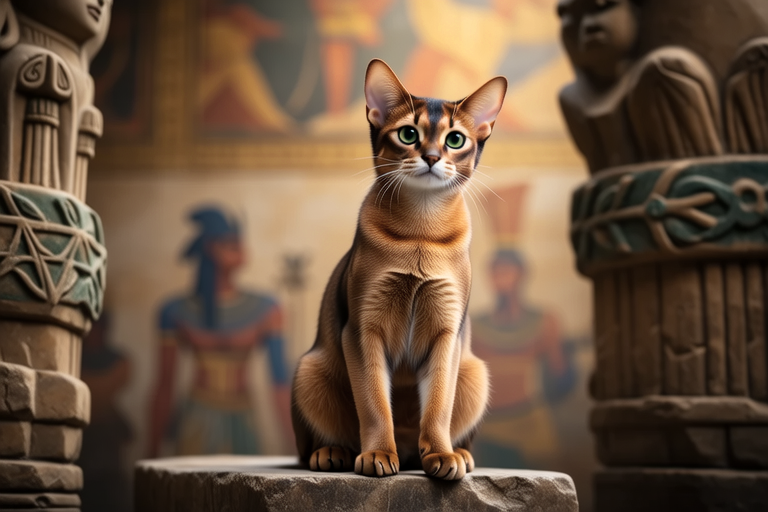
From Temple to Home: The Astonishing History of Abyssinian Pets
The Abyssinian cat, with its striking ticked coat and almond-shaped eyes, has long captivated the hearts of people around the world. This article delves into the fascinating history of these elegant felines, tracing their roots back to the ancient temples of Egypt and exploring their transformation into cherished household pets.
Ancient Origins and Mythology
The Abyssinian’s story begins in the temples of ancient Egypt, where cats were revered as sacred creatures. These graceful animals were often depicted in hieroglyphics, worshipped as manifestations of the goddess Bastet, who was both a protector and a bringer of fertility. The Egyptians believed that cats held mystical powers and were guardians of the afterlife, hence their prominence in religious rituals and funerary practices. Mummified cats have been discovered in tombs, alongside their owners, indicating the deep bond between humans and these revered animals.
Legends and myths from this era suggest that Abyssinian cats were thought to possess magical abilities. They were believed to be able to ward off evil spirits and bring good fortune. Such beliefs contributed to their elevated status, making them not just pets but also symbols of divine protection.
Transition to Domestication
The transition from temple dwellers to domesticated pets began during the colonial era. British explorers and soldiers, fascinated by the exotic appearance of these cats, brought them back to England. The first recorded Abyssinian cat in Britain was named Zula, who arrived in 1868 aboard a ship returning from Abyssinia (now Ethiopia). Zula was a gift from the captain of the ship to his friend, the editor of Cats’ Magazine. This marked the beginning of the Abyssinian breed’s journey towards becoming a popular pet.
As Abyssinians became more common in European households, they gained attention from cat fanciers and breeders. Their unique appearance and gentle nature made them a favorite among those who could afford to keep them. Over time, Abyssinians spread across the globe, adapting to various environments while maintaining their distinctive features.
Genetic Studies and Lineage
Modern genetic studies have provided valuable insights into the Abyssinian’s lineage. Researchers have identified markers that suggest the breed originated in the regions surrounding the Indian Ocean, including parts of Africa and Asia. DNA analysis indicates that Abyssinians share a common ancestor with the Southeast Asian jungle cat, a wild species found in parts of India and Southeast Asia. This discovery supports the theory that Abyssinians were brought to Europe through trade routes connecting these areas.
The breed’s unique ticked coat, which gives each hair a banded pattern, is one of its most recognizable features. This characteristic is believed to have evolved as a form of camouflage, helping wild ancestors blend into their environment. Today, Abyssinians come in four recognized colors: ruddy, red, blue, and fawn, each with its own distinct beauty.
Cultural Significance
Abyssinians have played significant roles in various historical events and have been associated with notable figures. During World War II, Abyssinian cats were often kept by military personnel as companions. Their presence provided comfort and a sense of normalcy amidst the chaos of war. One famous example is a cat named Simon, who served aboard HMS Amethyst during the Yangtze River Incident in 1949. Simon’s bravery and loyalty earned him a PDSA Dickin Medal, the highest honor given to animals in recognition of their wartime service.
In literature and art, Abyssinians have inspired many works. They have appeared in paintings, sculptures, and novels, symbolizing elegance and grace. Writers such as James Herriot, known for his veterinary stories, have featured Abyssinians in their narratives, adding to the breed’s cultural legacy.
Modern Status and Popularity
In the modern era, Abyssinians are beloved companions in homes worldwide. Their intelligence, curiosity, and playful nature make them ideal pets for families and individuals alike. Abyssinians are active and enjoy interactive play, which keeps them mentally stimulated and physically fit. They are known for their affectionate personalities, forming strong bonds with their human families.
However, caring for an Abyssinian requires attention to their specific needs. Regular grooming is essential to maintain their luxurious coats, and a balanced diet rich in nutrients supports their overall health. Additionally, Abyssinians benefit from regular veterinary check-ups to ensure they remain in top condition.
Despite their demanding care requirements, Abyssinians continue to grow in popularity. Their striking appearance and charming demeanor have captured the hearts of many, ensuring their place as cherished members of households around the world. Whether lounging gracefully on a windowsill or engaging in playful antics, these elegant felines bring joy and companionship to their human families.
Conclusion
The history of Abyssinian cats is a testament to their enduring appeal and adaptability. From their sacred beginnings in ancient Egyptian temples to their current status as beloved household pets, these cats have maintained their unique charm and mystique. Their journey through time reflects the evolving relationship between humans and animals, showcasing the deep bond that can exist between species. As we continue to admire and cherish these remarkable creatures, it is important to remember and honor their rich heritage.
