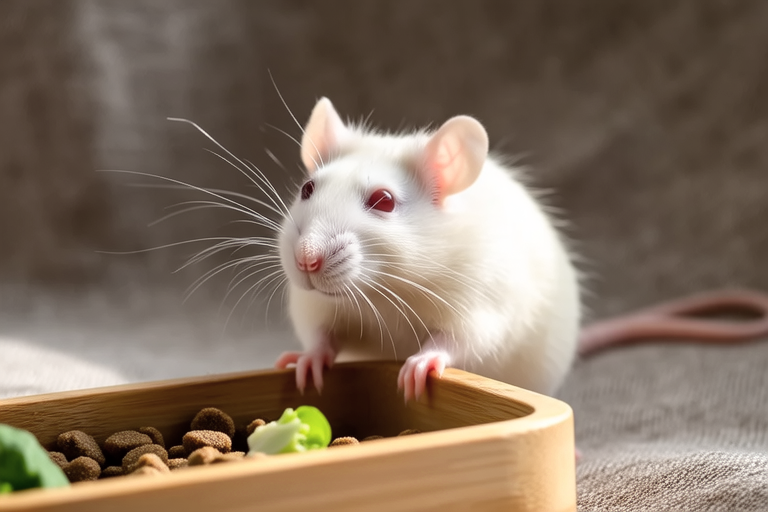
Fancy Rat Care: Expert Advice Every Owner Needs to Know
Welcome to the wonderful world of fancy rat ownership! These intelligent, social, and playful creatures make fantastic pets for both first-time and seasoned animal lovers. Whether you’re just bringing home your first fancy rat or looking to deepen your understanding of their care, this comprehensive guide will provide you with all the information you need to ensure your pet’s happiness and health.
Basic Needs: Housing, Diet, and Exercise
Housing
The first step in providing proper care for your fancy rat is ensuring they have a suitable living environment. Rats are highly social animals that thrive in groups, so it’s best to keep at least two rats together. Their cage should be large enough to allow them plenty of space to move around, play, and explore. A minimum size of 24 inches by 18 inches by 12 inches is recommended for a pair of rats.
Make sure the cage has multiple levels, ramps, and toys to encourage physical activity and mental stimulation. Avoid wire-bottom cages, as these can cause injury to your rat’s feet. Instead, opt for solid flooring or provide soft bedding materials such as fleece or paper-based bedding. Clean the cage regularly to prevent ammonia buildup and odor issues.
Diet
A balanced diet is essential for your fancy rat’s overall health. The foundation of their diet should consist of high-quality rat pellets, which provide necessary nutrients, vitamins, and minerals. In addition to pellets, you can offer a variety of fresh fruits and vegetables. Good options include leafy greens (like kale, spinach, and romaine lettuce), carrots, bell peppers, and apples. Always introduce new foods gradually to avoid digestive upset.
Avoid feeding your rats certain foods that can be harmful, such as chocolate, caffeine, avocado, and citrus fruits. Fresh water should always be available in a clean water bottle with a sipper tube. Consider using a bottle guard to prevent bedding from getting into the water supply.
Exercise
Rats are naturally active animals that require regular exercise to maintain their physical and mental well-being. In addition to providing ample space within their cage, you should set aside time each day for supervised play outside of the cage. This allows your rats to explore, climb, and interact with you.
Consider creating an exercise wheel specifically designed for small rodents. Ensure it has a solid surface to prevent injuries. You can also incorporate tunnels, ladders, and other enrichment items to stimulate their minds and bodies. Regular exercise helps prevent obesity and promotes better digestion and cardiovascular health.
Health Care Essentials: Common Illnesses and Preventive Measures
Common Illnesses
Like any pet, fancy rats can fall ill. Some common health issues include respiratory infections, dental problems, and tumors. Respiratory infections can occur due to poor ventilation or exposure to drafts. Symptoms include sneezing, nasal discharge, and labored breathing. Dental issues often arise when rats cannot properly wear down their continuously growing teeth. Signs include drooling, difficulty eating, and swollen cheeks.
Tumors, particularly mammary tumors in females, are another concern. Early detection is key, so familiarize yourself with your rat’s body and consult a veterinarian if you notice any unusual lumps or changes in behavior.
Preventive Measures
To help prevent illness, maintain a clean and hygienic living environment. Regularly clean the cage and replace bedding to minimize the risk of bacterial and fungal growth. Quarantine new rats for at least two weeks before introducing them to existing pets to avoid the spread of diseases.
Schedule routine check-ups with a veterinarian who specializes in exotic pets. They can perform thorough examinations, administer vaccinations, and provide advice tailored to your rat’s specific needs. Additionally, monitor your rat’s weight, appetite, and overall demeanor daily to catch any potential health issues early.
Socialization and Training Tips
Socialization
Rats are highly social animals that enjoy interaction with their human companions. Spend quality time handling your rats each day to build trust and strengthen your bond. Start by gently picking them up and placing them in your lap or on a flat surface. Offer treats as positive reinforcement during these sessions.
Encourage gentle play and exploration. Rats can learn to navigate obstacle courses and find hidden treats. Socializing your rats with one another is equally important. Observe their interactions and ensure they get along well. If conflicts arise, separate them and try again later.
Training Tips
Training your fancy rats can be an enjoyable and rewarding experience. Begin by teaching simple commands like “come” or “sit.” Use treats and verbal praise to reinforce desired behaviors. Be patient and consistent in your approach.
Consider harness training for outdoor excursions. This requires gradual acclimation and positive reinforcement. Once your rat is comfortable wearing the harness indoors, you can take them outside in a safe, enclosed area under supervision.
Grooming and Maintaining Hygiene
Grooming
Grooming is an essential part of caring for your fancy rat. Regular brushing helps remove loose fur and prevent hairballs. Use a soft-bristled brush or grooming mitt designed for small animals. Pay special attention to areas where mats may form, such as behind the ears and around the tail.
Bathing should be done infrequently, typically only when necessary. Over-bathing can strip natural oils from your rat’s skin, leading to dryness and irritation. If you need to bathe your rat, use a mild, pH-balanced shampoo formulated for small animals and rinse thoroughly.
Maintaining Hygiene
Maintaining good hygiene practices is crucial for both your rat’s health and your own. Wash your hands before and after handling your pet to prevent the spread of bacteria. Clean the cage and accessories regularly using a pet-safe cleaner. Replace bedding frequently and dispose of waste properly.
Keep food and water bowls clean and free from contamination. Discard uneaten food promptly to prevent spoilage. By following these hygiene guidelines, you can help create a healthy and happy living environment for your fancy rats.
In conclusion, owning a fancy rat is a rewarding experience filled with love, companionship, and endless joy. By understanding and addressing their basic needs, providing proper healthcare, fostering socialization and training, and maintaining good hygiene, you can ensure your pet leads a long, healthy, and fulfilling life. Remember, every rat is unique, so take the time to get to know your furry friend and tailor their care accordingly. Happy rat-keeping!
