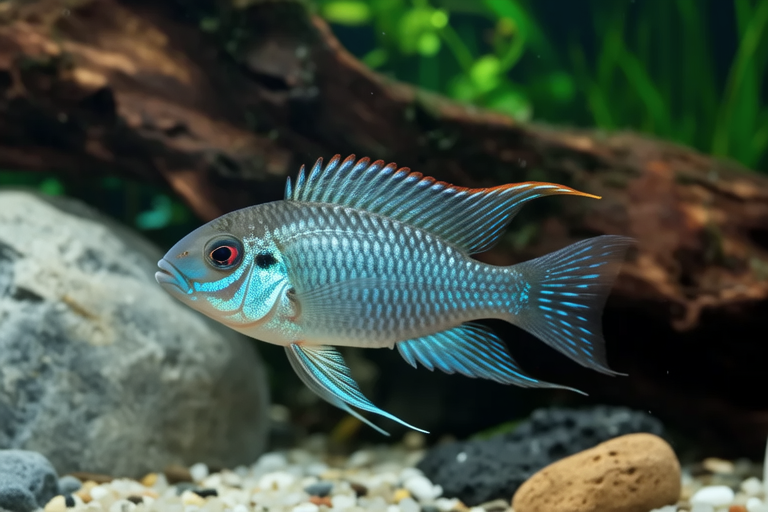
Rajah Cichlids: A Comprehensive Guide
The Rajah cichlid (Aequidens rivulatus) is a captivating freshwater fish native to the rivers and streams of South America. Known for its vibrant colors and dynamic behavior, it has become a popular choice among aquarium enthusiasts. This guide explores the behaviors, habitat preferences, dietary habits, social interactions, and common misconceptions surrounding Rajah cichlids. We will delve into their unique characteristics, ideal tank conditions, and how these factors influence their behavior. Additionally, we’ll provide insights into their care requirements and tips for owners to better understand and meet their needs.
Behaviors and Habitat Preferences
Rajah cichlids are highly active and territorial fish. They exhibit a range of behaviors that reflect their natural environment. In the wild, they inhabit fast-flowing waters with rocky substrates, where they find shelter and hunt for food. These conditions shape their behavior in captivity as well. Rajah cichlids are known for their darting movements and frequent exploration of their surroundings. They often swim in mid-water levels but can also be found near the bottom, searching for food or hiding spots.
In terms of territory, Rajah cichlids are particularly aggressive towards other fish, especially those of similar size and appearance. They establish a hierarchy within their group and defend their space against intruders. This behavior is more pronounced during breeding periods when males become even more territorial. Providing ample hiding places and visual barriers can help reduce aggression and stress in a community tank.
Their habitat preferences are crucial for maintaining a healthy environment. Rajah cichlids thrive in tanks with a sandy or gravel substrate, plenty of rocks and caves, and moderate water flow. The water temperature should be maintained between 74°F and 82°F (23°C to 28°C), with a pH level between 6.0 and 7.5. These parameters closely mimic their natural habitat and contribute to their overall well-being.
Dietary Habits
Rajah cichlids are omnivorous, feeding on a variety of foods in the wild. Their diet includes insects, small crustaceans, plant matter, and algae. In captivity, they can be fed a balanced diet of high-quality pellets, flakes, and frozen or live foods. It’s important to provide a mix of protein-rich foods like bloodworms, brine shrimp, and daphnia, along with vegetable-based options such as spirulina flakes or blanched vegetables like spinach or zucchini.
To ensure optimal nutrition, it’s recommended to feed Rajah cichlids twice daily, offering small portions that they can consume within a few minutes. Overfeeding can lead to water quality issues and health problems, so it’s essential to monitor their feeding habits and adjust the amount accordingly.
Social Interactions
Rajah cichlids are generally solitary fish, preferring to live alone or in small groups. However, they can coexist peacefully with other non-aggressive species if provided with sufficient space and hiding spots. Males are particularly territorial and may engage in aggressive displays or physical altercations if their space is invaded. Females, on the other hand, tend to be less confrontational but still require adequate hiding places to feel secure.
During breeding, Rajah cichlids display complex social behaviors. Males perform elaborate courtship rituals, including fin flaring and color changes, to attract females. Once a pair is formed, they establish a spawning site and take turns guarding the eggs and fry. This parental care is a notable aspect of their behavior and highlights the importance of providing suitable conditions for breeding.
Common Misconceptions
One common misconception about Rajah cichlids is that they are easy to care for due to their hardiness. While it’s true that they are relatively resilient, they still require specific environmental conditions and careful attention to their dietary needs. Another misconception is that they are suitable for beginners. Due to their aggressive nature and territorial tendencies, Rajah cichlids are better suited for experienced aquarists who can provide the necessary care and accommodations.
Another myth is that Rajah cichlids are primarily carnivorous. As mentioned earlier, they are omnivorous and benefit from a varied diet that includes both animal and plant matter. Failing to provide a balanced diet can lead to nutritional deficiencies and health issues.
Unique Characteristics
Rajah cichlids possess several unique characteristics that set them apart from other freshwater fish. One of the most striking features is their vibrant coloration, which ranges from bright reds and oranges to deep blues and greens. These colors are most pronounced during breeding periods when males display their best traits to attract mates.
Another distinctive characteristic is their ability to adapt to various environmental conditions. Rajah cichlids can tolerate fluctuations in water temperature and chemistry, making them relatively adaptable to different tank setups. However, this adaptability does not mean they can thrive in suboptimal conditions indefinitely. Providing consistent and appropriate care remains crucial for their long-term health.
Ideal Tank Conditions
Creating an ideal tank environment for Rajah cichlids involves replicating their natural habitat as closely as possible. A minimum tank size of 55 gallons is recommended for a single fish, with additional space required for each additional cichlid. The tank should include a sandy or gravel substrate, numerous rocks and caves for hiding and resting, and moderate water flow to simulate the currents found in their native rivers.
Proper filtration is essential to maintain water quality, as Rajah cichlids produce significant amounts of waste. A high-quality external filter with adjustable flow rates can help keep the water clean and oxygenated. Regular water changes—about 10-20% weekly—are also necessary to prevent the buildup of harmful substances.
Influence of Tank Conditions on Behavior
The tank conditions significantly influence the behavior of Rajah cichlids. Insufficient space or inadequate hiding spots can lead to increased stress and aggression. On the other hand, providing a well-maintained tank with ample hiding places and suitable companions can promote peaceful interactions and reduce territorial disputes.
Moderate water flow and appropriate temperature and pH levels contribute to their overall well-being. Fish that are comfortable in their environment are more likely to exhibit natural behaviors, such as swimming actively and engaging in social interactions. Conversely, poor tank conditions can result in lethargic behavior, reduced appetite, and susceptibility to diseases.
Care Requirements and Tips for Owners
Caring for Rajah cichlids requires attention to detail and commitment. Here are some key points to consider:
- Water Quality: Maintain stable water parameters by performing regular water tests and water changes. Monitor pH, ammonia, nitrite, and nitrate levels to ensure they remain within safe ranges.
- Feeding: Offer a balanced diet consisting of both protein-rich and vegetable-based foods. Avoid overfeeding and remove any uneaten food after feeding sessions to prevent water pollution.
- Social Structure: Establish a clear hierarchy within the tank to minimize aggression. Introduce new fish gradually and provide hiding spots to reduce stress.
- Breeding: If interested in breeding Rajah cichlids, create a dedicated breeding tank with ample hiding spots and a suitable spawning site. Provide a balanced diet rich in nutrients to support reproductive health.
- Health Monitoring: Regularly observe your fish for signs of illness, such as lethargy, loss of appetite, or abnormal coloring. Prompt action can prevent minor issues from escalating into serious health problems.
By understanding the unique needs and behaviors of Rajah cichlids, owners can create an enriching environment that promotes their health and happiness. With proper care and attention, these fascinating fish can thrive in captivity and provide endless enjoyment for their caretakers.
