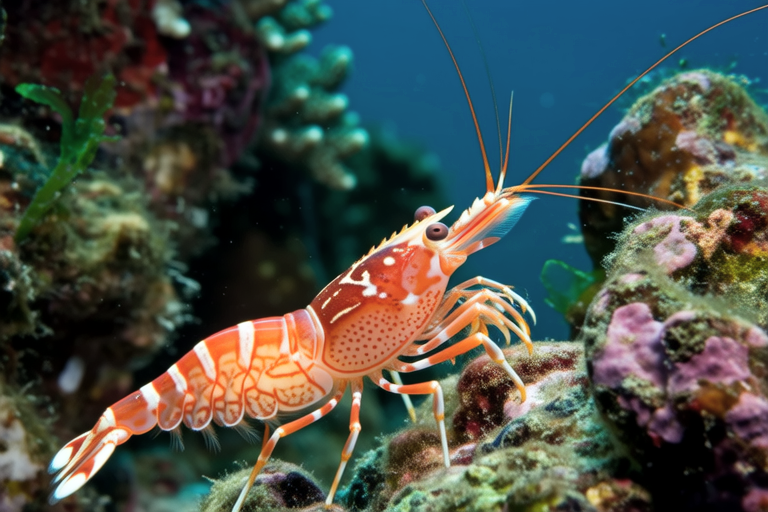
The Ultimate Guide to Raising Coral Shrimp: Tips for First-Time Owners
Welcome to the world of coral shrimp! These fascinating creatures are increasingly popular among aquarium enthusiasts due to their vibrant colors and relatively low maintenance needs. If you’re a first-time owner or considering adding coral shrimp to your aquatic family, this guide will provide all the essential information to help you create a thriving environment for these beautiful crustaceans.
Introduction to Coral Shrimp
Coral shrimp (Thor amboinensis) are small, colorful shrimp that can add a splash of color and life to any aquarium. They typically grow up to about two inches in length and come in various shades of red, orange, and white. Their unique appearance and peaceful nature make them a favorite among hobbyists.
Natural Habitat
In the wild, coral shrimp are found in the shallow waters of the Indo-Pacific region, particularly around coral reefs. They thrive in areas with plenty of hiding spots, such as crevices and caves, where they can rest during the day and emerge at night to feed on tiny organisms like algae and detritus. Understanding their natural habitat helps replicate conditions in your aquarium, ensuring the best possible living environment for your shrimp.
Ideal Tank Setup
Setting up the right tank for your coral shrimp is crucial for their well-being. Here are some key considerations:
- Tank Size: A minimum tank size of 10 gallons is recommended for a small group of coral shrimp. Larger tanks provide more space for swimming and exploration, which is beneficial for their mental and physical health.
- Substrate: Use a fine-grained substrate like sand or very small gravel. Avoid sharp-edged substrates that could harm your shrimp.
- Hiding Spots: Incorporate rocks, driftwood, and plants to create numerous hiding spots. Coral shrimp feel most secure when they have ample places to retreat.
- Lighting: While coral shrimp prefer dim lighting, it’s important to balance this with the needs of any live plants or other inhabitants in the tank. Consider using a timer to simulate day and night cycles.
Water Parameters
Maintaining optimal water conditions is vital for the health of your coral shrimp. Here’s what you need to know:
- Temperature: Keep the water temperature between 75°F and 82°F (24°C to 28°C).
- pH Level: Aim for a pH range of 7.5 to 8.4.
- Ammonia and Nitrite: Both should be undetectable. Regular testing is necessary to ensure these levels remain within safe limits.
- Nitrate: Maintain nitrate levels below 20 ppm.
- Hardness: The water hardness should be moderate to hard, ideally between 10 and 20 dGH.
Diet Requirements
Coral shrimp are omnivorous, meaning they eat both plant and animal matter. In the wild, they graze on algae and tiny microorganisms. To mimic their natural diet, offer a varied diet including:
- Algae Wafers: These provide essential nutrients and fiber.
- Shrimp Pellets: High-quality pellets designed for bottom-dwelling species.
- Blanched Vegetables: Offer small pieces of blanched vegetables like zucchini or spinach.
- Frozen Foods: Brine shrimp, bloodworms, and daphnia are excellent treats.
Feed your coral shrimp sparingly; overfeeding can lead to poor water quality and health issues. Aim to provide just enough food that they can consume within a few minutes.
Common Health Issues
Like any pet, coral shrimp can face health challenges. Here are some common issues and how to address them:
- Parasites: Look for signs of parasites, such as white spots or clumps on the shrimp’s body. Quarantine affected shrimp immediately and consult a veterinarian for treatment options.
- Bacterial Infections: Symptoms include lethargy, loss of appetite, and discoloration. Improve water quality and consider using antibacterial medications under veterinary guidance.
- Environmental Stress: Sudden changes in water parameters can stress your shrimp. Monitor and adjust conditions gradually to prevent stress-related illnesses.
Breeding Tips
Breeding coral shrimp can be a rewarding experience. Here are some tips to increase your chances of success:
- Select Healthy Parents: Choose mature, healthy shrimp for breeding. Ensure they have access to plenty of food and hiding spots.
- Provide Mating Sites: Create specific areas where the shrimp can mate, such as densely planted areas or small caves.
- Separate Juveniles: Once juveniles hatch, move them to a separate tank to avoid predation by adult shrimp.
Maintenance Advice
Regular maintenance is key to keeping your coral shrimp healthy and happy. Here are some essential tasks:
- Water Changes: Perform weekly water changes of about 20% to maintain water quality.
- Cleaning Equipment: Clean filters, decorations, and other equipment regularly to prevent the buildup of harmful substances.
- Monitor Water Parameters: Test water regularly to ensure all parameters stay within the recommended ranges.
Practical Tips for First-Time Owners
Here are some additional tips to ensure successful care of your coral shrimp:
- Patience: Give your shrimp time to acclimate to their new home. Avoid handling them unnecessarily, as they may become stressed.
- Observe Behavior: Watch for any unusual behavior, such as lethargy or loss of color, which could indicate health problems.
- Community Compatibility: Ensure your shrimp are compatible with other tank inhabitants. Avoid aggressive or predatory fish that might harm them.
Raising coral shrimp can be a delightful and enriching experience. By providing the right environment, diet, and care, you can ensure that your shrimp thrive and bring joy to your aquarium. Happy shrimp-keeping!
