How to Decode Your Golden Hamster’s Behavior: Fun Facts You Need to Know
Welcome to the fascinating world of golden hamsters! These small, adorable creatures are popular pets known for their playful nature and unique behaviors. With a bit of patience and observation, you can decode your hamster’s actions and understand what they’re trying to tell you. This guide will help you learn about their sleep patterns, signs of happiness and stress, eating habits, and playfulness. By the end, you’ll be equipped with the knowledge to provide the best care for your furry friend.
Understanding Sleep Patterns
Golden hamsters are nocturnal animals, meaning they are most active during the night. They typically sleep during the day, often for up to 14 hours. However, don’t be alarmed if your hamster seems awake at odd times. They have short bursts of activity throughout the day, especially after meals or when they are excited.
One fun fact is that hamsters can enter a state called torpor, similar to hibernation. During this time, their body temperature drops, and they become less active. Torpor usually occurs in response to cold temperatures or lack of food. If you notice your hamster sleeping more than usual and appears lethargic, ensure its environment is warm and provide plenty of food.
Signs of Happiness and Stress
Your hamster’s mood can be easily read through its behavior. Signs of happiness include running on the wheel, playing with toys, and being active. When they are happy, they might also engage in scent marking, which involves rubbing their cheeks against objects to leave their scent behind.
On the other hand, signs of stress can be subtle but important to recognize. A stressed hamster may exhibit behaviors such as excessive grooming, hiding, or becoming aggressive. If your hamster is stressed, try adjusting its environment. Ensure it has enough space, provide hiding spots, and avoid sudden loud noises.
Eating Habits as Indicators of Health
Observing your hamster’s eating habits is crucial for monitoring its health. A healthy hamster will eat regularly and maintain a steady weight. Changes in appetite can indicate underlying issues. For instance, a decrease in food consumption could signal illness or stress. Conversely, overeating might suggest boredom or depression.
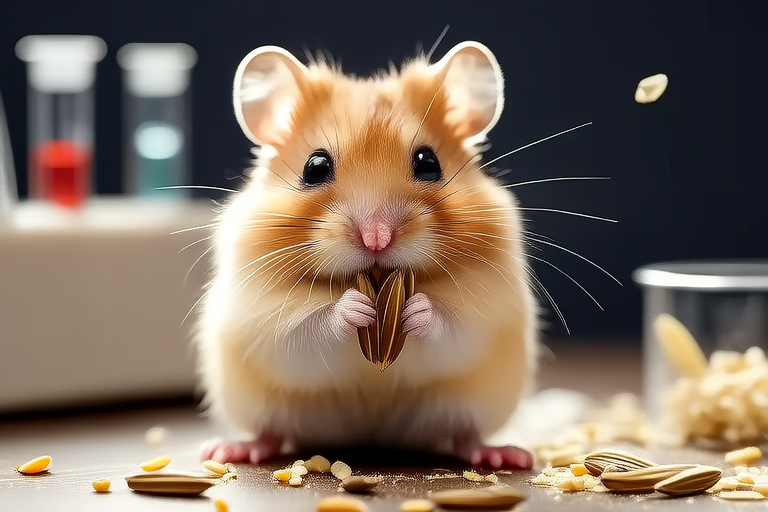
Hamsters have cheek pouches used to store food. Watching how they use these pouches can give you insight into their eating habits. If your hamster is storing a lot of food, it might be preparing for a future scarcity or simply enjoying its meal. Make sure the food provided is nutritious and balanced. Fresh vegetables, fruits, and high-quality hamster pellets are ideal. Avoid giving them too many treats, as they can lead to obesity.
Playfulness and Interaction
Golden hamsters are naturally curious and playful creatures. They enjoy exploring new environments and interacting with their owners. Playing with your hamster can strengthen your bond and keep them mentally stimulated. Safe toys, such as tunnels, chew toys, and exercise wheels, are essential for their well-being.
When handling your hamster, always support its entire body to prevent injury. Approach them calmly and gently. Hamsters can sometimes nip if startled or scared, so it’s important to build trust. Spend time with your hamster daily, offering treats and gentle petting to foster a positive relationship.
Tips for Interacting Based on Their Behavior
Interacting with your hamster requires understanding and respect for its natural behaviors. Here are some tips:
- If your hamster is sleeping, avoid disturbing it unless necessary. Allow it to rest peacefully.
- When your hamster is active, take advantage of this time to play and interact. Engage in activities like hide-and-seek or allow them to explore new areas under supervision.
- Be mindful of your hamster’s body language. A relaxed posture with ears forward indicates calmness, while flattened ears may signal fear or aggression.
- Provide a variety of toys and activities to keep your hamster entertained. Rotate toys periodically to prevent boredom.
Maintaining a Healthy Environment
To encourage positive behaviors, it’s vital to maintain a clean and stimulating environment for your hamster. Here are some tips:
- Proper Housing: Ensure your hamster has enough space to move around comfortably. The cage should be large enough to accommodate a running wheel, toys, and a nesting area.
- Temperature Control: Keep the temperature between 65°F and 75°F (18°C to 24°C). Avoid placing the cage near drafts or direct sunlight.
- Hygiene: Clean the cage weekly to prevent the buildup of bacteria and odors. Spot clean daily to remove waste and soiled bedding.
- Social Interaction: While hamsters are solitary animals, they still benefit from interaction with their owners. Spend quality time with your hamster each day to promote bonding.
By creating a comfortable and enriching environment, you can ensure your golden hamster remains healthy, happy, and full of life.
In conclusion, decoding your golden hamster’s behavior is both fun and rewarding. By understanding their sleep patterns, recognizing signs of happiness and stress, observing eating habits, and engaging in playful interactions, you can provide the best care for your pet. Remember, every hamster is unique, so take the time to get to know your furry companion. With love, patience, and proper care, you and your golden hamster can enjoy a wonderful, long-lasting relationship.
