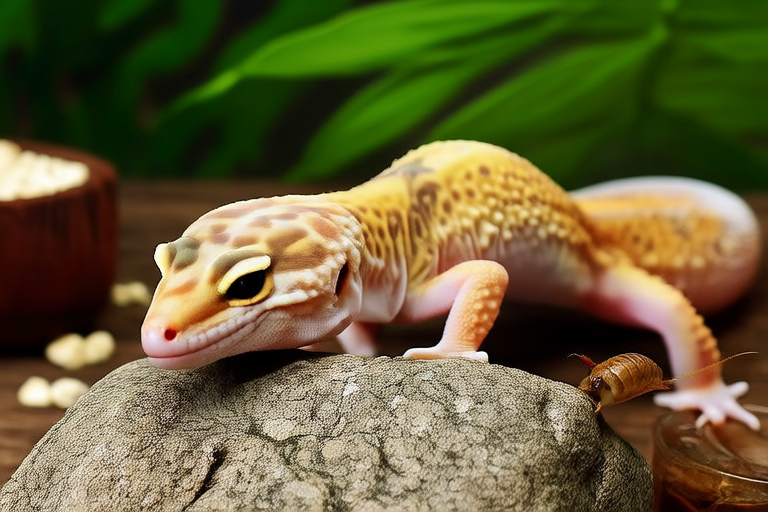
Step-by-Step Guide: Choosing the Best Diet for Your Leopard Gecko
Introduction:
Proper nutrition is crucial for the health and longevity of your leopard gecko. A well-balanced diet ensures that your pet receives all necessary nutrients, supports growth, and maintains optimal health. This guide will walk you through the process of choosing the best diet for your leopard gecko, covering everything from understanding their nutritional needs at different life stages to selecting appropriate live food and ensuring they receive essential supplements.
Understanding Nutritional Needs at Different Life Stages
Leopard geckos have distinct nutritional requirements depending on their age and stage of development. Newborns require more frequent feedings and higher protein levels to support rapid growth, while adults need a balanced diet to maintain muscle mass and overall health.
- Newborns (0-3 months): Feed newborns small crickets or mealworms daily, as they require more frequent meals to support their growth.
- Juveniles (3-12 months): Juveniles can be fed every other day, focusing on high-protein insects like crickets and waxworms.
- Adults (over 1 year): Adults should be fed every two to three days, with a mix of crickets, dubia roaches, and occasional waxworms.
Selecting Appropriate Live Food
The choice of live food plays a significant role in providing your leopard gecko with a balanced diet. Common choices include crickets, dubia roaches, mealworms, and waxworms. Each type of insect offers different nutritional benefits.
- Crickets: Rich in protein and easy to gut-load, making them a staple for most diets.
- Dubia Roaches: Higher in fat and protein than crickets, they are excellent for adult geckos.
- Mealworms: High in fat and cholesterol, they should be offered sparingly due to their potential to cause digestive issues.
- Waxworms: A treat for geckos, high in fat and calories but low in protein, they should be given occasionally.
Gut-Loading Techniques for Feeder Insects
Gut-loading is the practice of feeding insects a nutritious diet before offering them to your gecko. This ensures that your pet receives additional vitamins and minerals when consuming the insects.
- Choose a high-quality insect gut-load formula.
- Feed the insects a variety of vegetables, fruits, and grains.
- Ensure the insects are well-hydrated by providing water sources.
- Allow the insects to digest the gut-load for 24 hours before feeding them to your gecko.
The Role of Supplements
Supplements play a vital role in ensuring your leopard gecko receives all necessary nutrients. Calcium, vitamin D3, and multivitamins are commonly used.
- Calcium: Essential for bone health, calcium should be dusted onto insects at every feeding.
- Vitamin D3: Necessary for calcium absorption, it should be provided via UVB lighting or supplementation.
- Multivitamins: Offered weekly to ensure a broad spectrum of nutrients.
Common Feeding Mistakes to Avoid
Avoid these common mistakes to prevent health issues in your leopard gecko:
- Overfeeding: Excessive feeding can lead to obesity and related health problems.
- Underfeeding: Inadequate feeding can result in malnutrition and stunted growth.
- Feeding inappropriate insects: Certain insects, like superworms, can cause impaction if not fed properly.
- Ignoring hydration: Providing a shallow water dish is crucial for hydration.
Signs of Dietary Deficiencies
Recognizing the signs of dietary deficiencies is important for early intervention. Common signs include:
- Bone deformities: Indicative of calcium deficiency.
- Lethargy: Suggestive of general malnutrition.
- Swollen limbs: Potentially caused by metabolic bone disease.
- Loose stools: May indicate improper digestion due to incorrect diet.
Tips for Monitoring Your Leopard Gecko’s Health Through Its Diet
Regular monitoring helps ensure your gecko remains healthy. Here are some tips:
- Monitor weight and body condition regularly.
- Check for any changes in behavior or activity levels.
- Observe stool consistency and frequency.
- Keep track of shedding patterns and quality.
- Consult a veterinarian if you notice any concerning signs.
By following this comprehensive guide, you can provide your leopard gecko with a well-balanced and nutritious diet, ensuring they thrive and live a long, healthy life. Proper nutrition is the foundation of good health, and with careful attention to your pet’s dietary needs, you’ll be able to enjoy a strong and vibrant companion for years to come.
