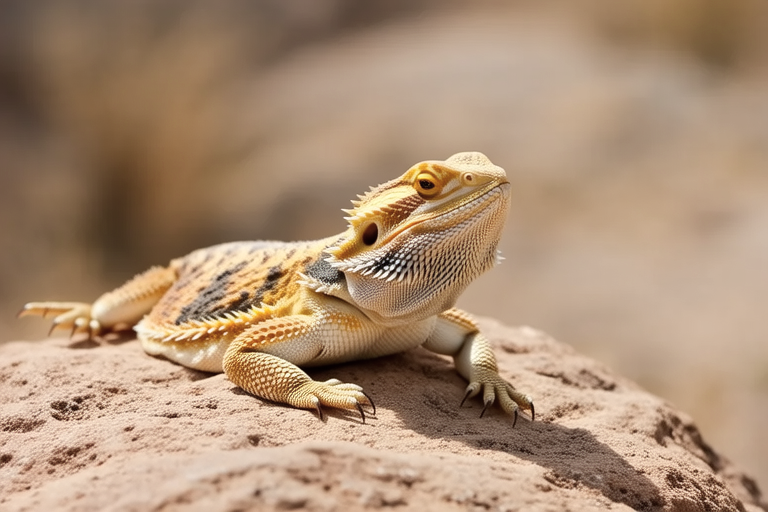
Bearded Dragon Behavior Explained: Decode Their Actions!
Welcome to the fascinating world of bearded dragons! These captivating creatures have a unique set of behaviors that can tell you a lot about their mood, health, and intentions. Understanding these behaviors is crucial for providing optimal care and ensuring a healthy, happy pet. In this article, we will delve into the most common actions exhibited by bearded dragons, including head bobbing, beard puffing, and color changes. We’ll explore what these behaviors mean and provide tips for owners to interpret them effectively.
Understanding Bearded Dragon Body Language
Bearded dragons communicate through a variety of physical signals, much like other animals. By learning to recognize these cues, you can gain valuable insight into your dragon’s emotional state and needs. This section will cover the basics of bearded dragon body language and explain why it’s important for owners to pay attention to these signals.
The Importance of Observing Your Bearded Dragon
Regular observation is key to understanding your bearded dragon’s behavior. Changes in activity levels, appetite, or social interactions can indicate shifts in mood or health. Keep a journal of your observations to track any patterns or concerns over time. This proactive approach helps ensure your dragon receives timely care when needed.
Head Bobbing: A Display of Dominance
One of the most striking behaviors observed in bearded dragons is head bobbing. This action involves the rapid up-and-down movement of the head, often accompanied by a puffed-out beard. Head bobbing serves as a powerful display of dominance, especially among males. It is commonly seen during territorial disputes or courtship displays. Scientifically, this behavior triggers hormones that increase alertness and readiness to defend territory.
In captivity, head bobbing can also be a sign of excitement or aggression towards another dragon or even a human. If your bearded dragon is bobbing its head at you, it might be trying to establish dominance or simply reacting to something in its environment. Understanding the context of this behavior is essential for responding appropriately.
Tips for Owners:
- Observe the frequency and intensity of head bobs to gauge your dragon’s mood.
- Ensure there is enough space and resources for multiple dragons to reduce territorial conflicts.
- Monitor your dragon’s interactions with other pets or humans to prevent aggressive behavior.
Beard Puffing: A Defensive Mechanism
The beard puffing behavior is one of the most recognizable traits of bearded dragons. When threatened or stressed, they inflate their throat area to appear larger and more intimidating. This defense mechanism is particularly effective against potential predators or rivals. The puffing is achieved by inflating the skin around the throat with air, creating a noticeable change in appearance.
Owners should be attentive to signs of stress that may trigger beard puffing, such as loud noises, sudden movements, or changes in the environment. Addressing these stressors promptly can help prevent long-term anxiety in your dragon. Additionally, regular handling and gentle interactions can build trust and reduce the likelihood of defensive responses.
Tips for Owners:
- Handle your dragon gently and avoid sudden movements to minimize stress.
- Create a calm and consistent environment to reduce anxiety.
- Provide hiding spots and climbing structures to give your dragon a sense of security.
Color Changes: Indicators of Mood and Health
Bearded dragons are capable of changing their skin color, which can vary from light brown to dark gray. These color changes serve multiple purposes, including thermoregulation, communication, and camouflage. Darker colors absorb more heat, helping the dragon regulate its body temperature. Conversely, lighter colors reflect heat, preventing overheating.
Color changes can also indicate mood or health status. For instance, a stressed or sick dragon may appear paler than usual. On the other hand, vibrant colors often suggest good health and high energy levels. Monitoring these color variations can provide valuable information about your dragon’s well-being.
Tips for Owners:
- Maintain appropriate environmental conditions to support natural color changes.
- Consult a veterinarian if you notice prolonged or significant color changes.
- Ensure proper lighting and UVB exposure to promote healthy skin pigmentation.
Other Common Behaviors
Aside from head bobbing, beard puffing, and color changes, bearded dragons exhibit several other notable behaviors. These include arm waving, digging, and basking. Each of these actions has specific meanings and can offer further insights into your dragon’s life.
Arm Waving: A Sign of Submission
Arm waving is a gentle, repetitive motion of one front leg, resembling a wave. This behavior is typically seen in younger dragons or those trying to show submission to more dominant individuals. Arm waving is often used in social contexts, such as greeting other dragons or humans. In captivity, it can also indicate a desire for attention or food.
Digging: A Natural Instinct
Digging is a natural behavior driven by instinct. Bearded dragons may dig in search of shelter, prey, or simply to create a comfortable resting spot. Providing ample substrate and hiding places can satisfy this urge and promote mental stimulation. However, excessive digging can sometimes signal boredom or frustration, so consider enriching your dragon’s environment with toys and activities.
Basking: Essential for Health
Basking is a critical behavior for bearded dragons, as it allows them to regulate their body temperature and metabolize nutrients efficiently. Dragons will often bask under a heat lamp or in a sunny spot, adjusting their position to maintain optimal warmth. Ensuring access to proper basking areas is essential for maintaining overall health.
Interpreting Signals for Better Care and Interaction
By understanding and interpreting your bearded dragon’s behaviors, you can provide better care and foster a stronger bond between you and your pet. Regular observation and gentle handling can help build trust and make your dragon feel secure. Additionally, addressing any behavioral changes promptly can prevent potential health issues.
Remember, every bearded dragon is unique, and individual personalities can influence behavior. Patience and consistency are key when interacting with your dragon. Over time, you’ll develop a deeper understanding of your pet’s preferences and needs, leading to a rewarding companionship.
Conclusion
Decoding the behavior of bearded dragons is an exciting journey that deepens our connection with these remarkable reptiles. From head bobbing to color changes, each action offers a glimpse into the complex world of bearded dragon communication. By paying close attention to these behaviors and responding thoughtfully, you can ensure your dragon leads a happy, healthy life. Embrace the challenge of understanding your bearded dragon’s signals, and enjoy the rewarding experience of sharing your home with one of nature’s most fascinating creatures.
